- Titanium Anode Electrolyzer Manufacturer & Water Electrolysis Hydrogen Solutions Supplier
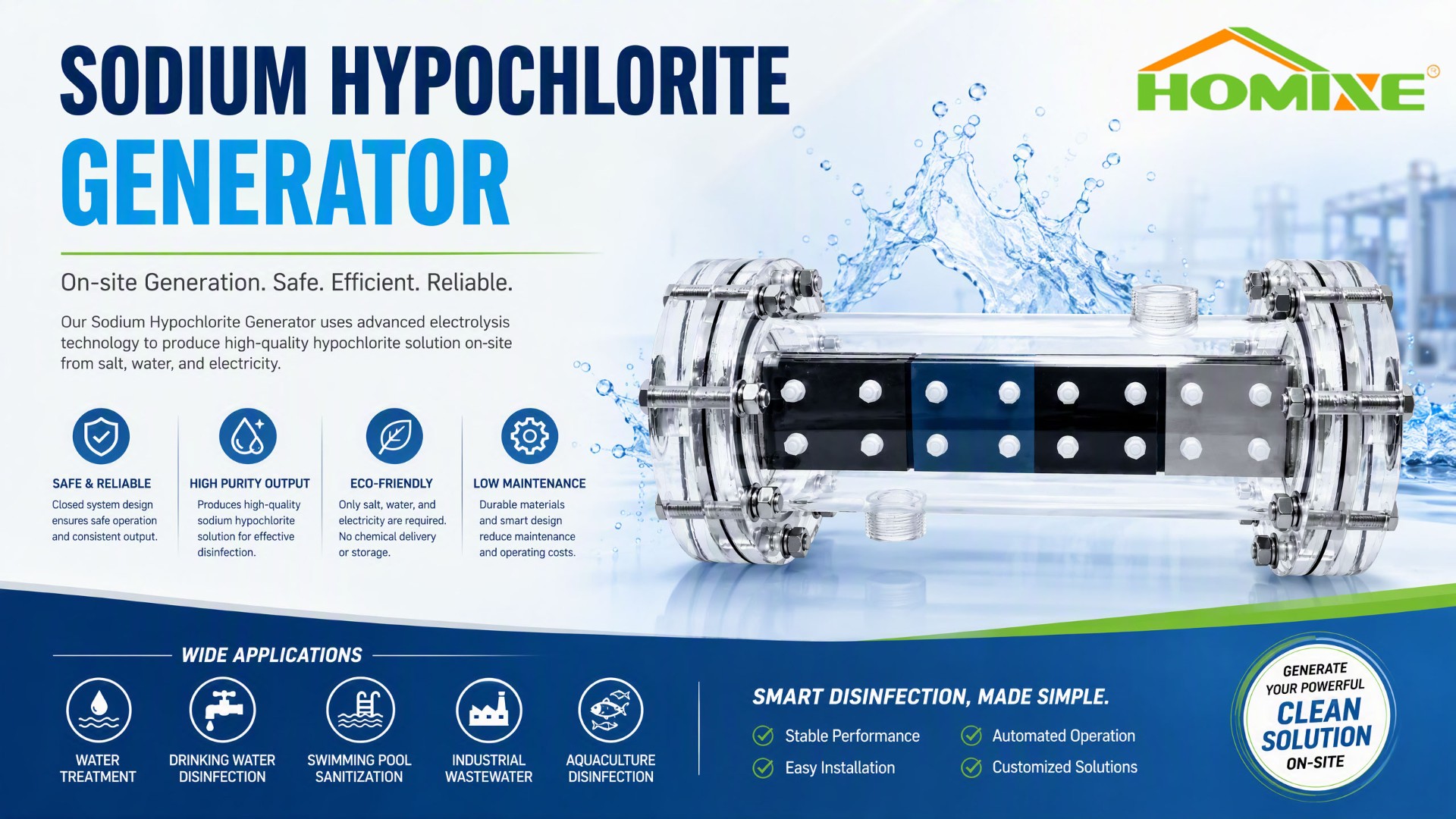
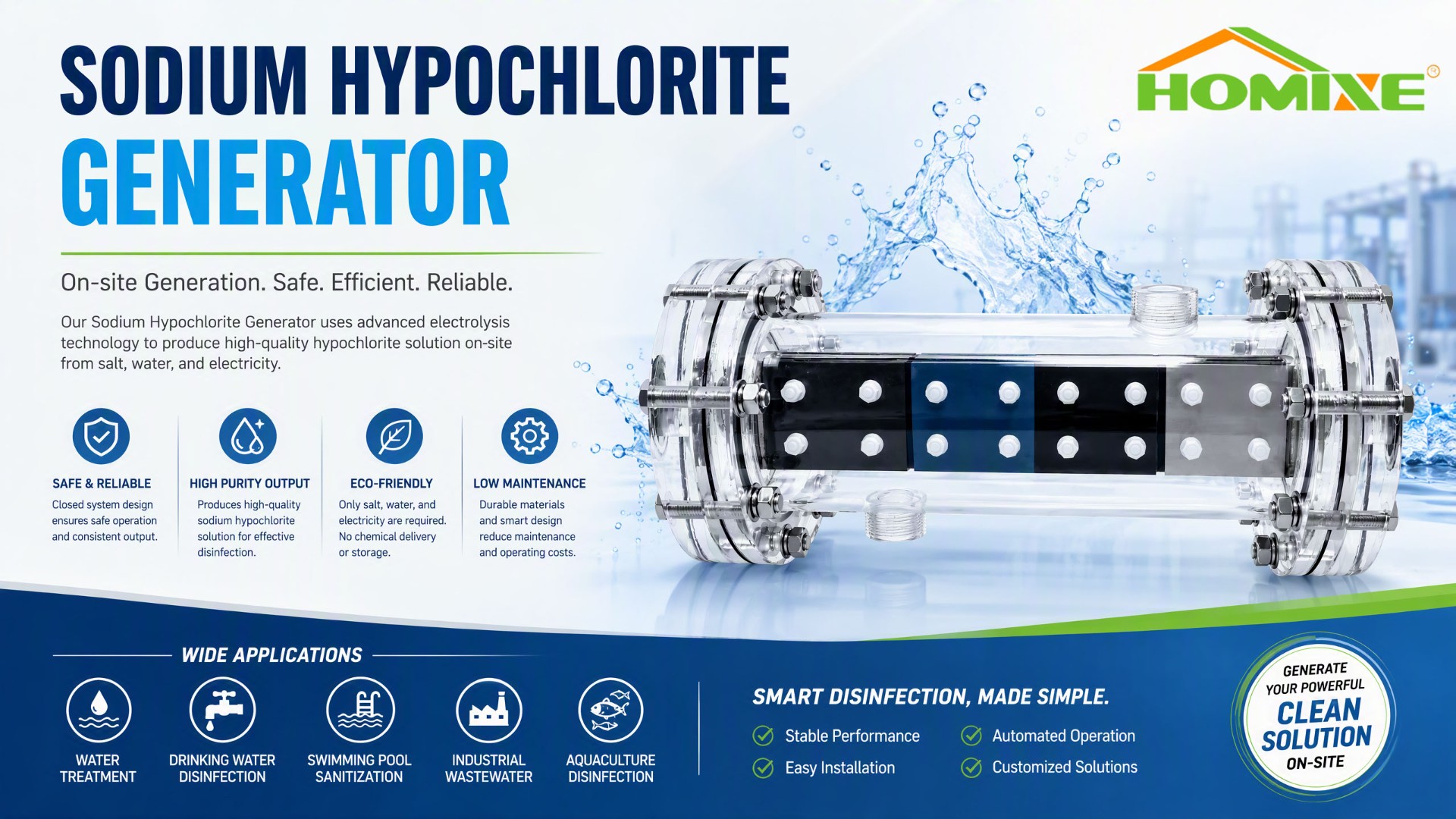
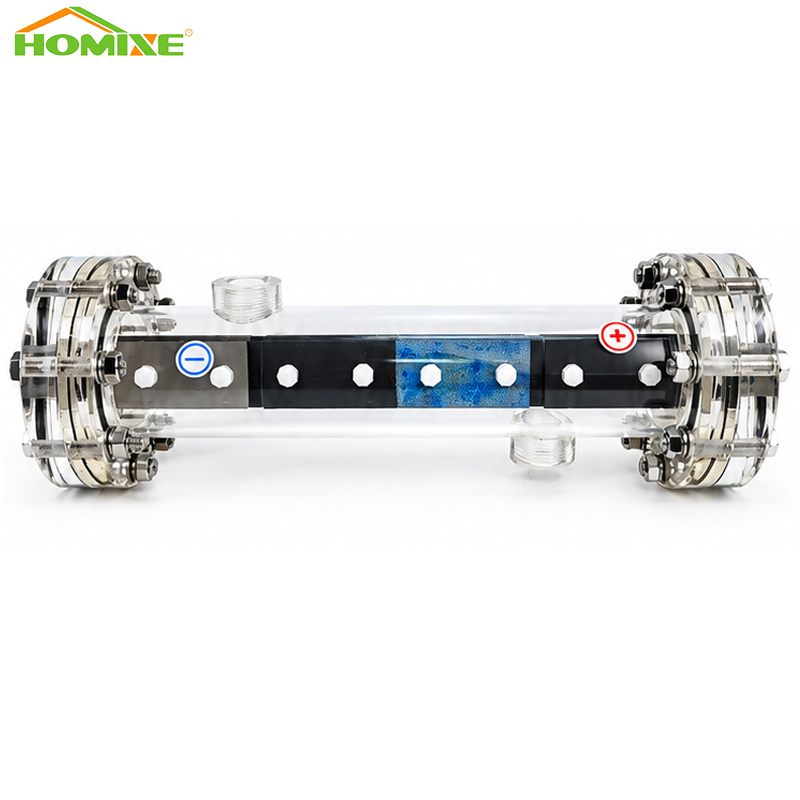
| Product Name | Sodium Hypochlorite Generator | Brand Name | HOMIXE |
| Model Number | HM-SHG100 | Feature | Insoluble anode, dimensional stability; The positive distance is stable, and the battery voltage is stable. Low working voltage, save electricity |
| Grade | GR1 Titanium | Technique | Rolling, Cutting, Welding, Painting |
| Application | Sodium hypochlorite generator;Hotel swimming pool Indoor swimming pool electrolyzer; Decorative pond electric chlorinator | Dimension | Customization |
| Coating | Ru-Ir Ir-Ta Platinum | Coating Thickness | 8~12micron |
| Product Name | Sodium Hypochlorite Generator | Brand Name | HOMIXE |
| Model Number | HM-SHG100 | Feature | Insoluble anode, dimensional stability; The positive distance is stable, and the battery voltage is stable. Low working voltage, save electricity |
| Grade | GR1 Titanium | Technique | Rolling, Cutting, Welding, Painting |
| Application | Sodium hypochlorite generator;Hotel swimming pool Indoor swimming pool electrolyzer; Decorative pond electric chlorinator | Dimension | Customization |
| Coating | Ru-Ir Ir-Ta Platinum | Coating Thickness | 8~12micron |
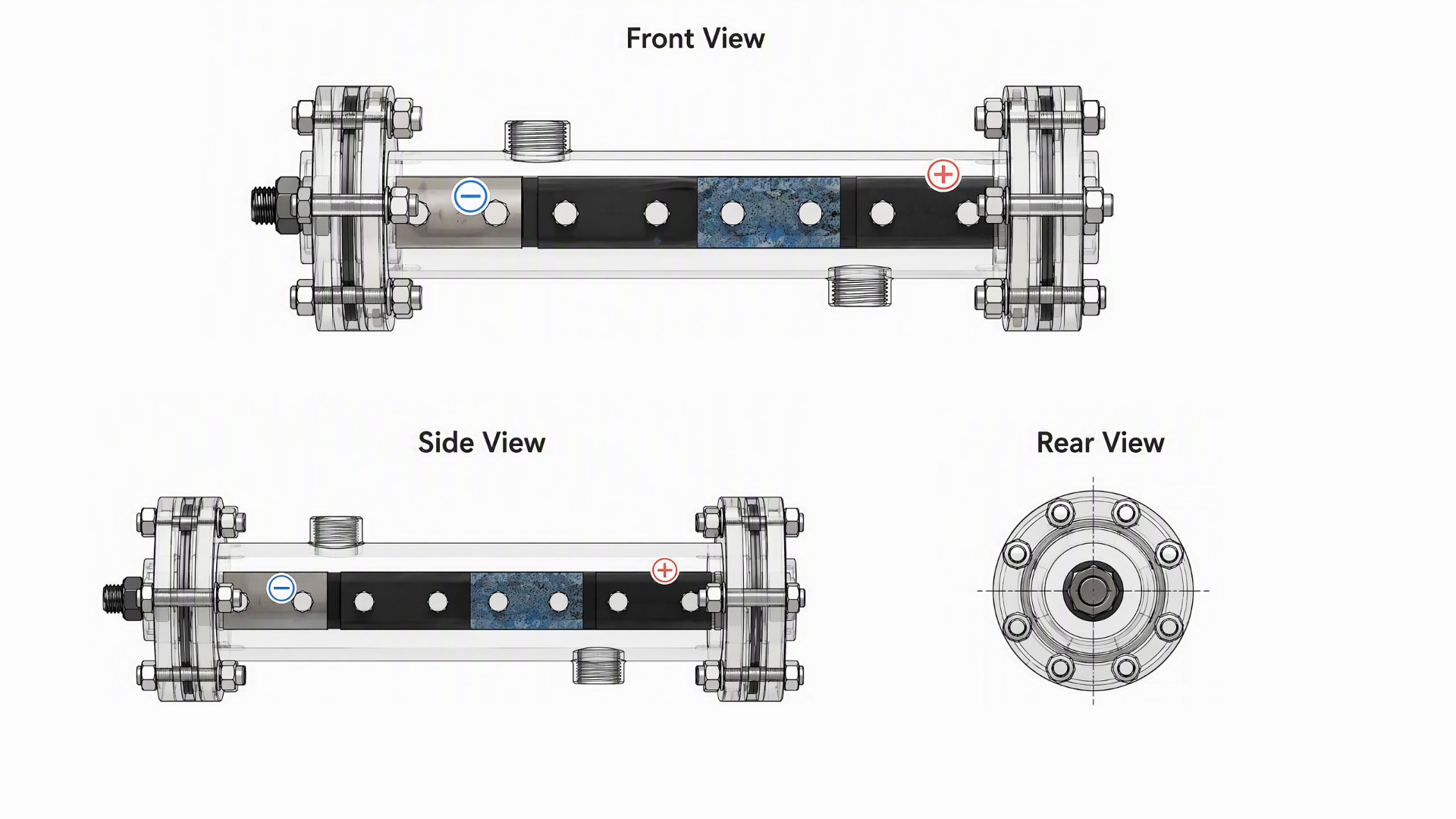
Product Multiple Angles
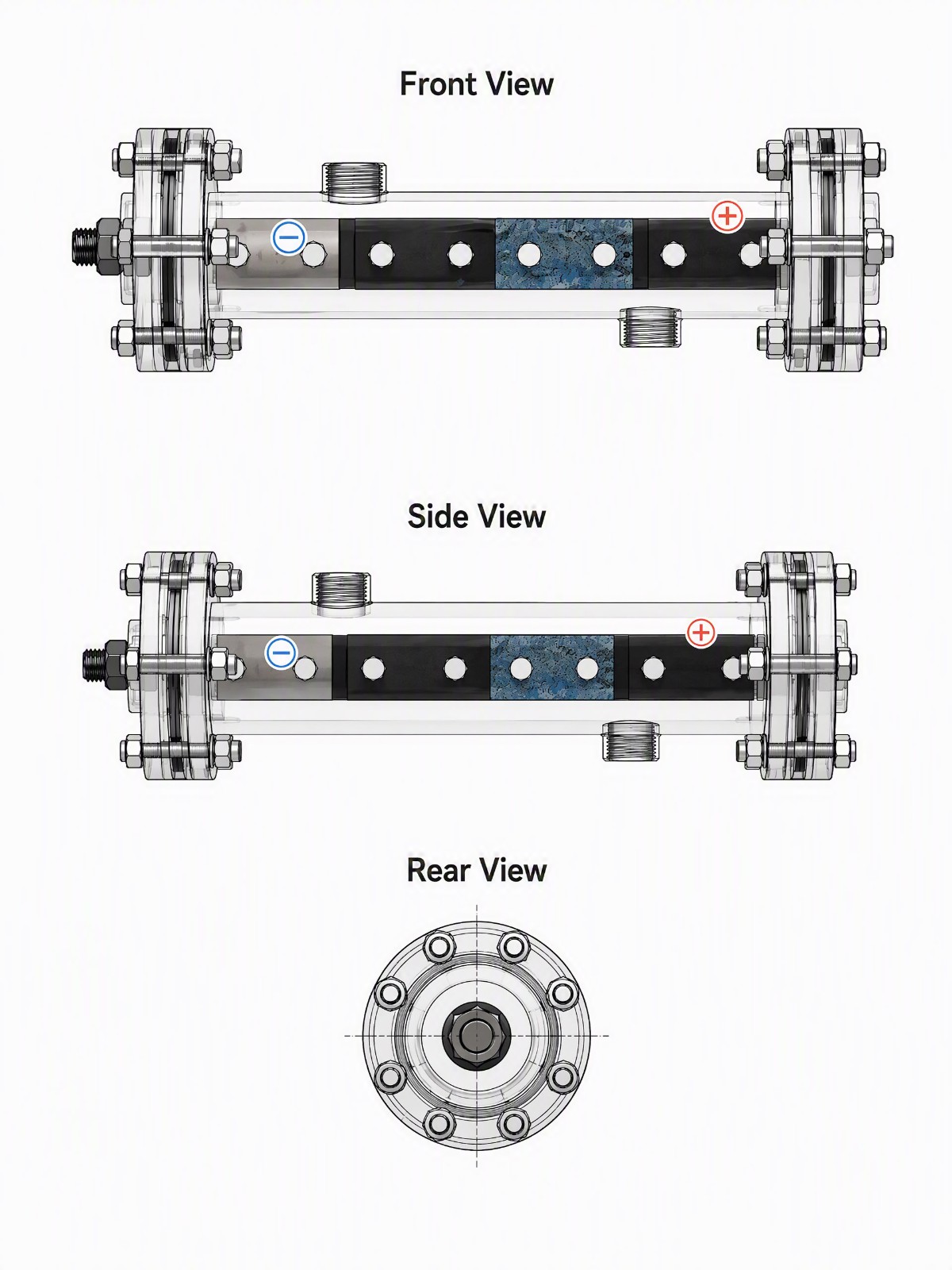
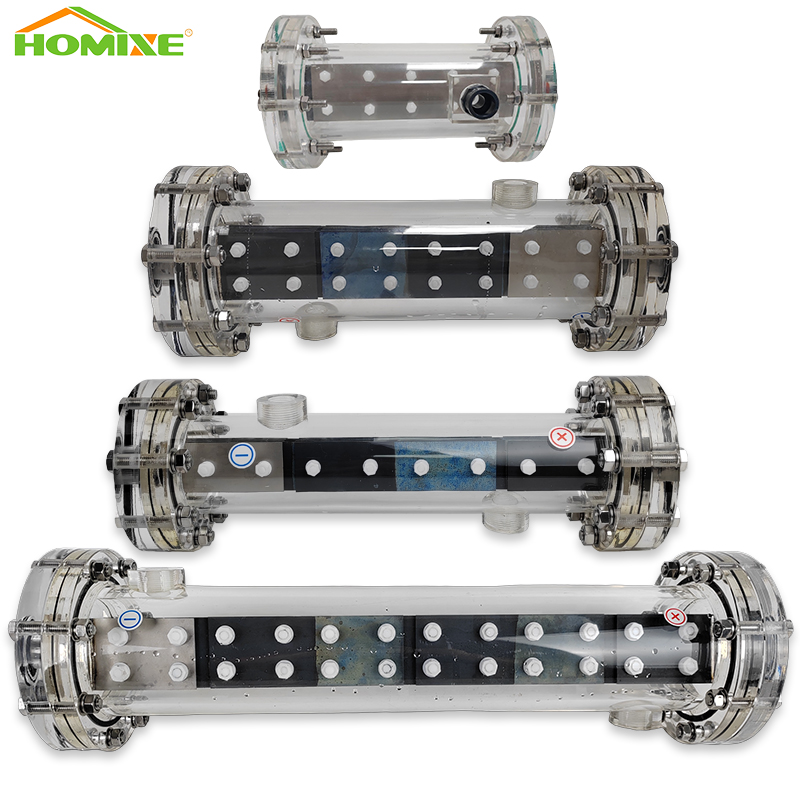
A 100g/h sodium hypochlorite system is the point at which on-site generation starts to make clear commercial sense: output is high enough to serve busy pools and small treatment plants, yet the unit stays compact and easy to install. Brine is electrolysed in a titanium cell to produce 100 grams of available chlorine per hour, which is then stored and dosed automatically into the water system.
Choosing this capacity lets operators replace bulk 10-12% bleach with salt and water, cutting chemical transport, storage risk and recurring supply costs - while always having disinfectant available when demand rises.
How Does a Sodium Hypochlorite Generator Work?
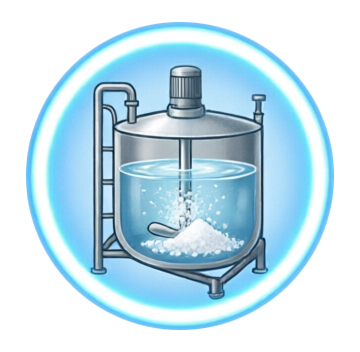
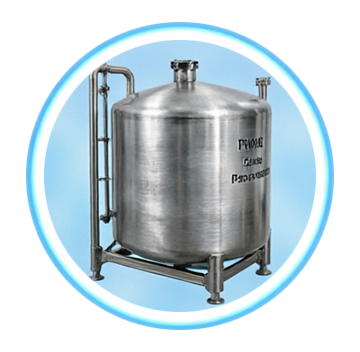
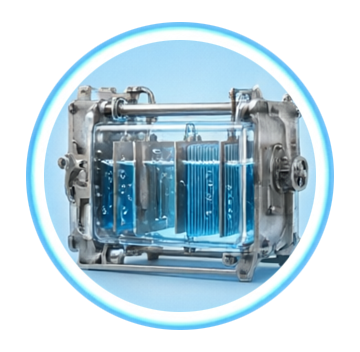
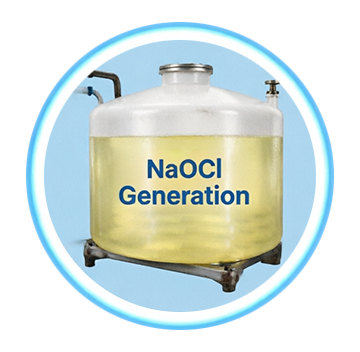
Salt and water are prepared into brine and supplied to the electrolytic cell. DC power drives the electrochemical reaction through the titanium electrodes, generating chlorine that reacts in the solution to form sodium hypochlorite. The generated disinfectant can then be stored and dosed into the treated water according to application requirements.
Electrolysis Process
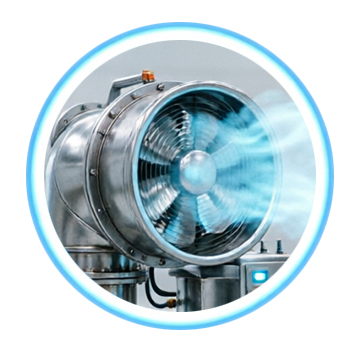
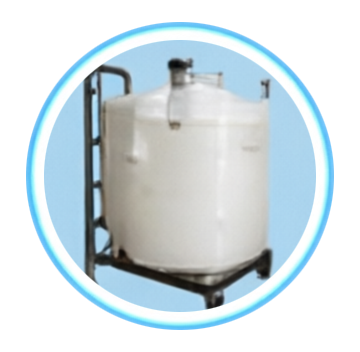
Flow labels: 1 Brine enters the electrolytic cell 2 DC power drives electrolysis 3 Chlorine is generated at the anode 4 Chlorine reacts to form NaOCl 5 Hydrogen is separated and ventilated 6 NaOCl is stored and dosed | 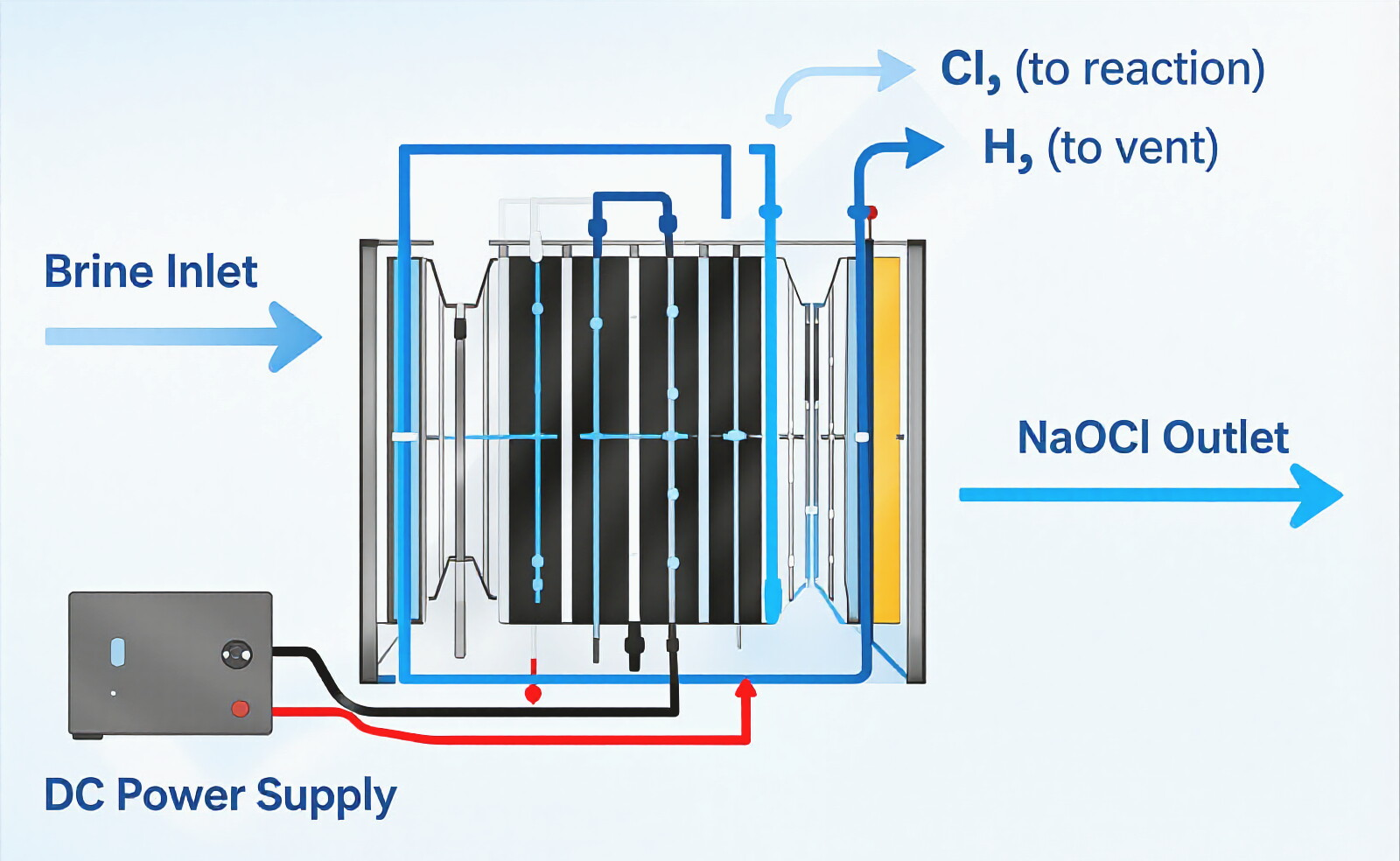 |
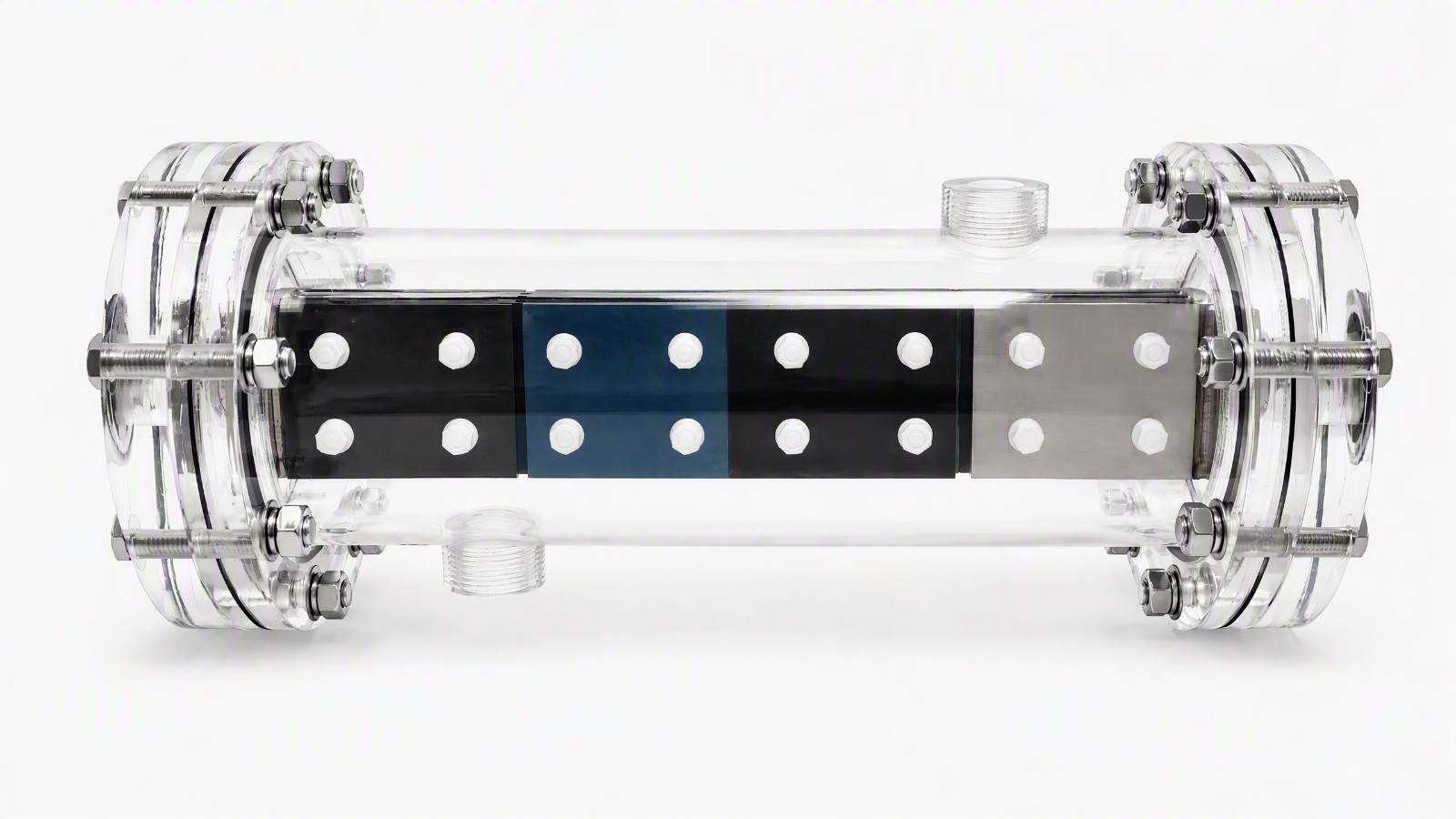
Titanium Electrolytic Cell — The Core of the System
 |
|
Technical Specifications
| Item | Spec |
| Product Type | Sodium Hypochlorite Generator |
| Generation Method | Brine Electrolysis |
| Electrode Substrate | Grade 1 Titanium |
| Electrode Coating | Ru-Ir / Ir-Ta / Customized · 8–12 μm |
| NaOCl Concentration | Customized |
| Production Capacity | Customized |
| Power Supply | Customized |
| Installation | Skid-mounted / Customized |
| Electrolytic Cell | Customized |
| OEM / ODM | Available |

Commercial and semi-public pools carry high bather loads, which consume chlorine quickly. A 100g/h generator produces disinfectant continuously to match that demand, so chlorine residuals stay within regulation instead of dropping between manual dosing rounds.
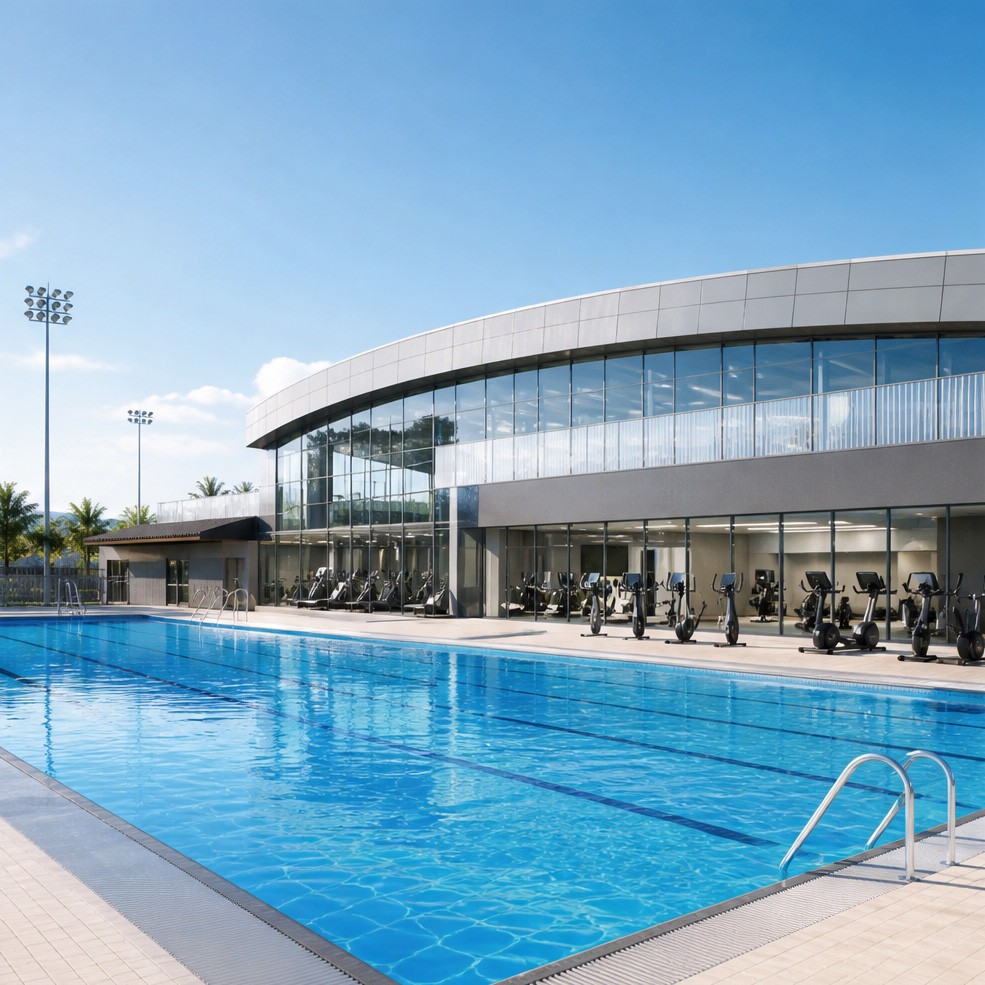
Sports clubs and leisure centres run long opening hours across several pools or basins. On-site generation replaces bulk bleach deliveries with salt and water, cutting chemical storage, handling and recurring cost while keeping supply continuous.
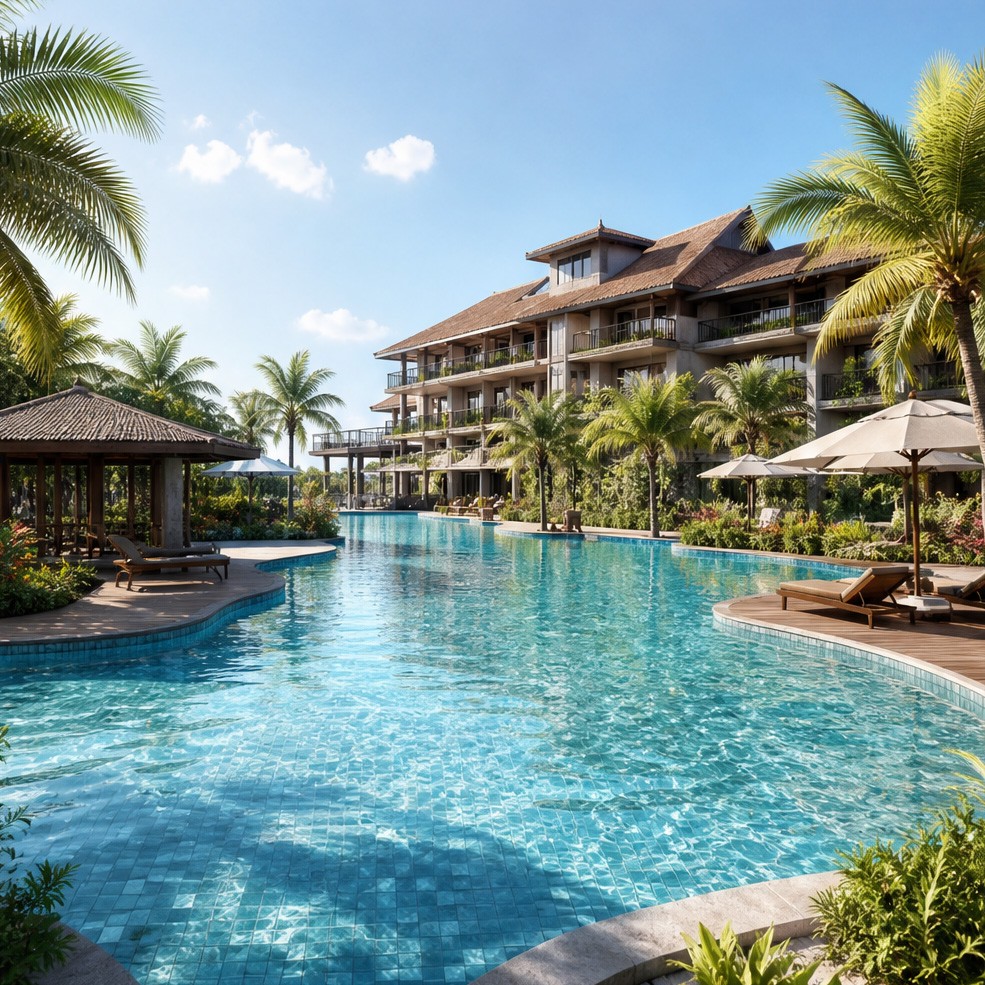
Hotels need predictable water quality and no chemical incidents in guest areas. Generating sodium hypochlorite on site removes chlorine gas and bulk bleach from the premises and produces a 0.7-0.8% solution that is far safer to store and handle.
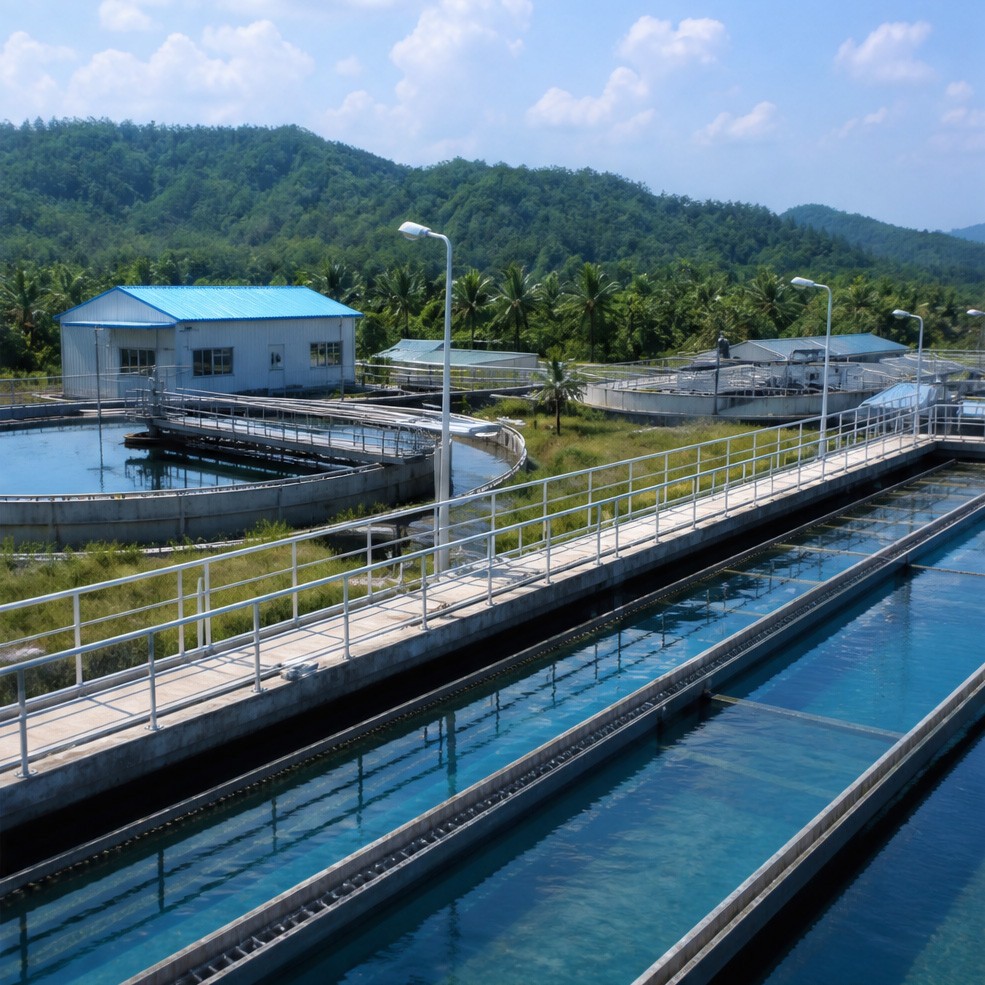
Small municipal and community water plants use the 100g/h unit to disinfect drinking and process water at the point of use, giving a controllable, verifiable chlorine dose without transporting dangerous chemicals to remote sites.
Why switch to on-site generation? Chlorine gas and 10–12% bleach are classified as dangerous goods: they must be transported, stored and handled under strict rules, and their price and supply sit outside your control. On-site sodium hypochlorite generation replaces that supply chain with salt and water. Production follows demand, so you never run out of disinfectant; the 0.7–0.8% product stays below hazmat thresholds; and automated dosing cuts chemical waste and labour. For plants in remote or fast-growing regions, this can be the difference between a stable disinfection supply and an interrupted one.
| Feature | On-Site Generation | Bulk Chemical Supply |
| On-site production | ✓ | — |
| Transportation dependency | Reduced | Higher |
| Chemical storage | Reduced | Required |
| Production flexibility | ✓ | — |
| Automated operation | ✓ | — |
| Customized capacity | ✓ | Limited |
| Suitable for remote sites | ✓ | Depends on supply |
On-site sodium hypochlorite generation can help users reduce dependence on chlorine, while ensuring stable supply. We offer tailored systems for various application needs.
Most generators on the market are assembled from bought-in cells. HOMIXE is different: we are the anode factory.
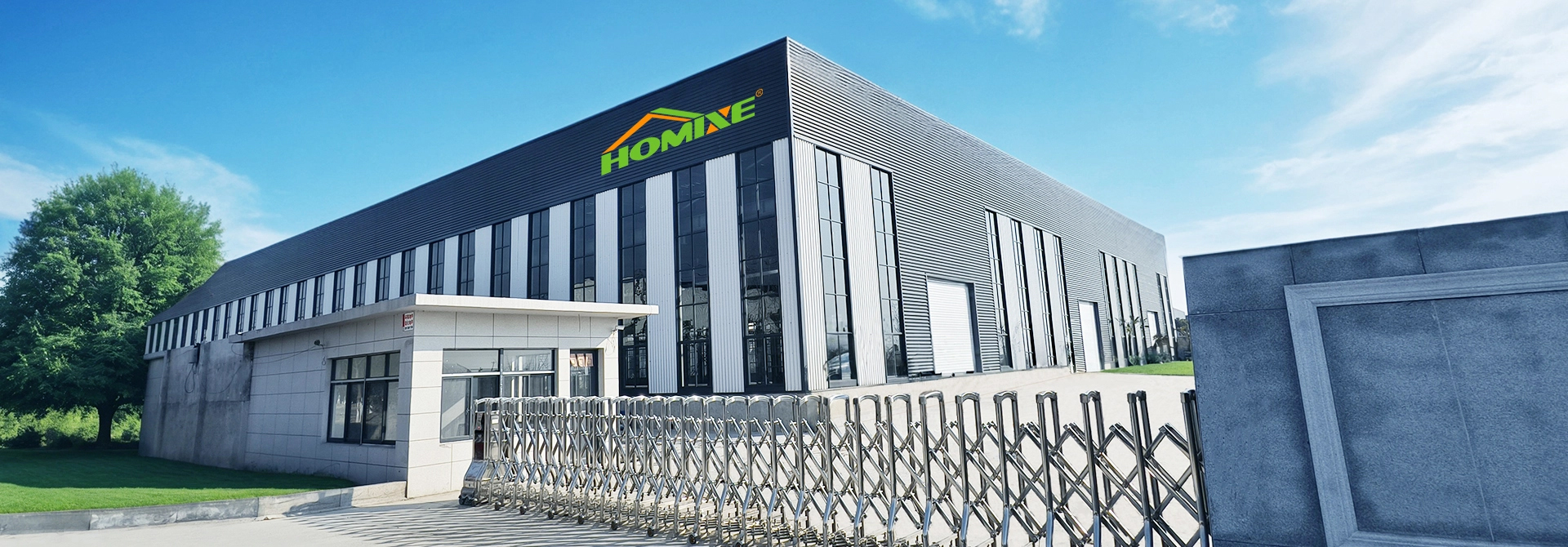
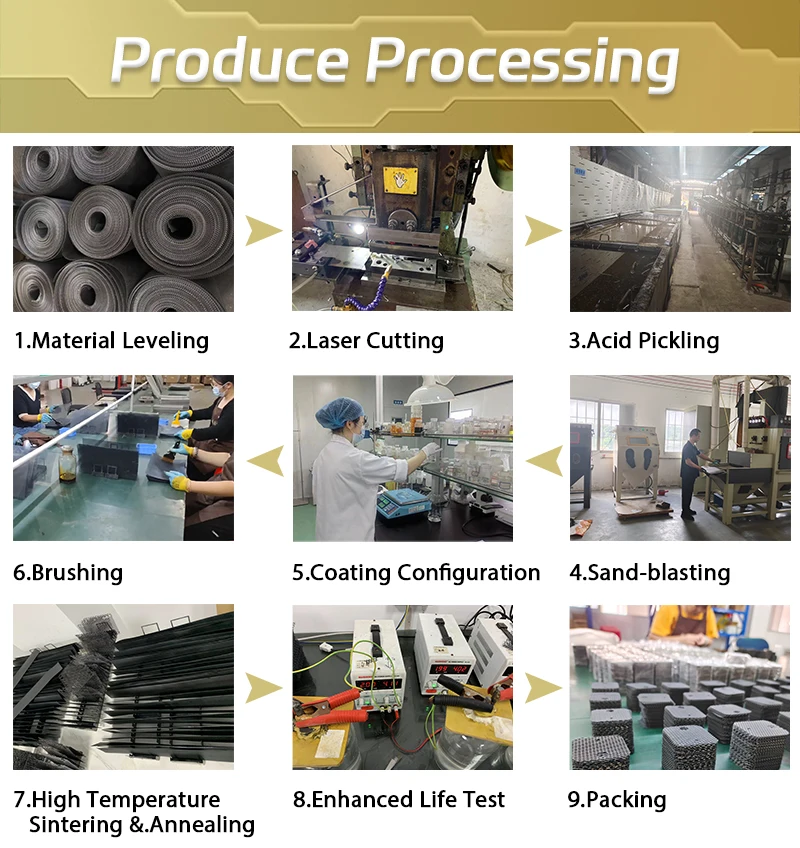
The electrode is our own product. Every HOMIXE generator is built around coated titanium anodes we manufacture ourselves — MMO, Ru-Ir, Ir-Ta or platinum on GR1 titanium, 8–12 µm coating. The anode decides cell life and power consumption, so making it in-house means a lower-voltage, longer-lasting cell under our own quality control, at factory-direct cost.
Proven in electrodes, trusted by OEMs. For years we have supplied coated titanium anodes and electrolytic cells to electrolyzer manufacturers worldwide — the same electrodes now running inside our own generators.
Tailored, not off-the-shelf. Output, tank size, dosing logic and automation are configured to your water and site. Private-label and OEM/ODM programs welcome.
Backed after the sale. ISO9001, RoHS, CE and SGS certified, with a 1-year system warranty — and because we make the electrodes, spare cells are stocked in the same factory for fast re-supply.
OEM & Customized Solutions
Different projects require different electrode dimensions, coating systems, cell structures and electrical configurations. HOMIXE supports customized solutions for OEM manufacturers, water treatment companies and system integrators.
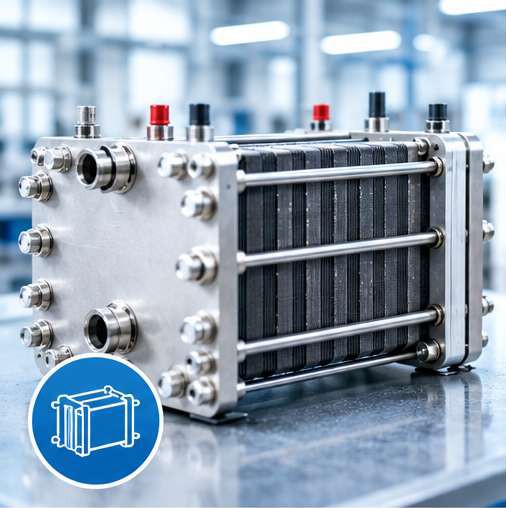
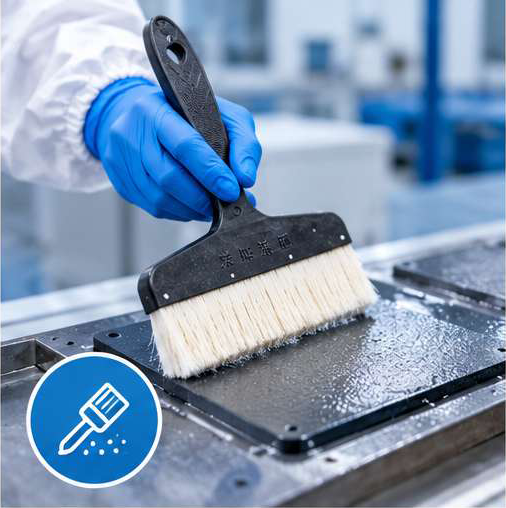
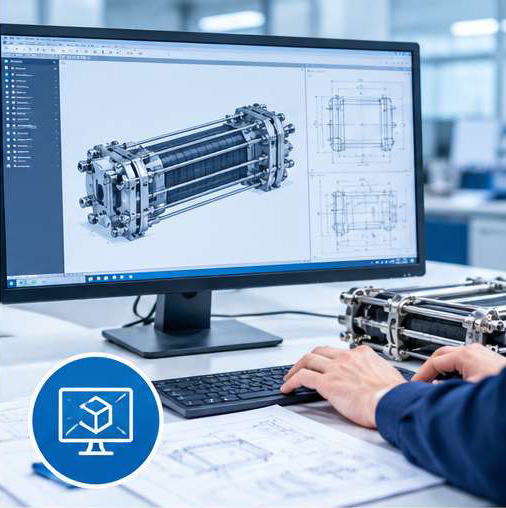
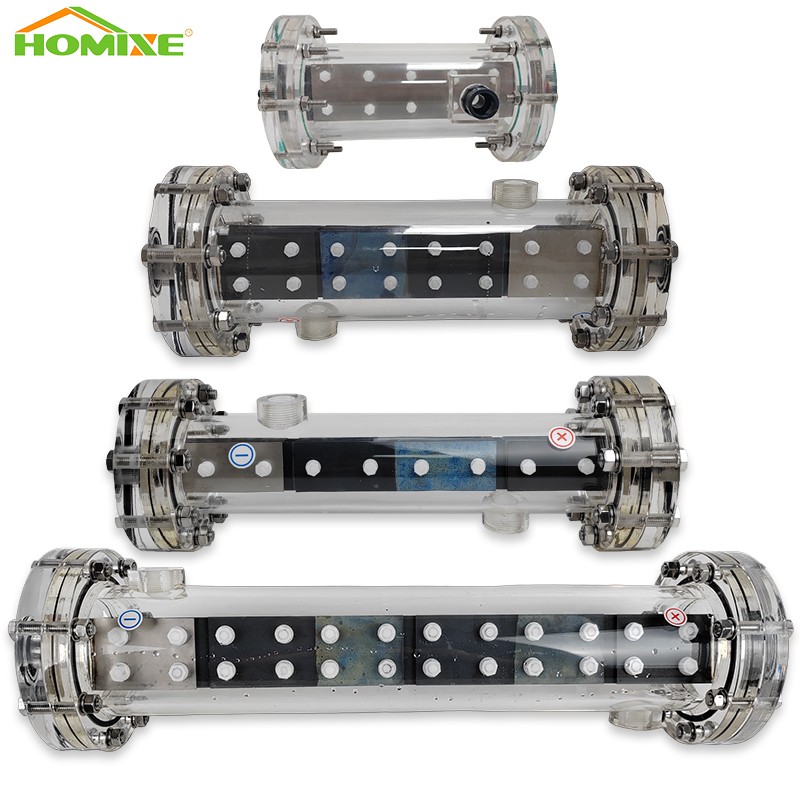
For water treatment projects and complete disinfection systems
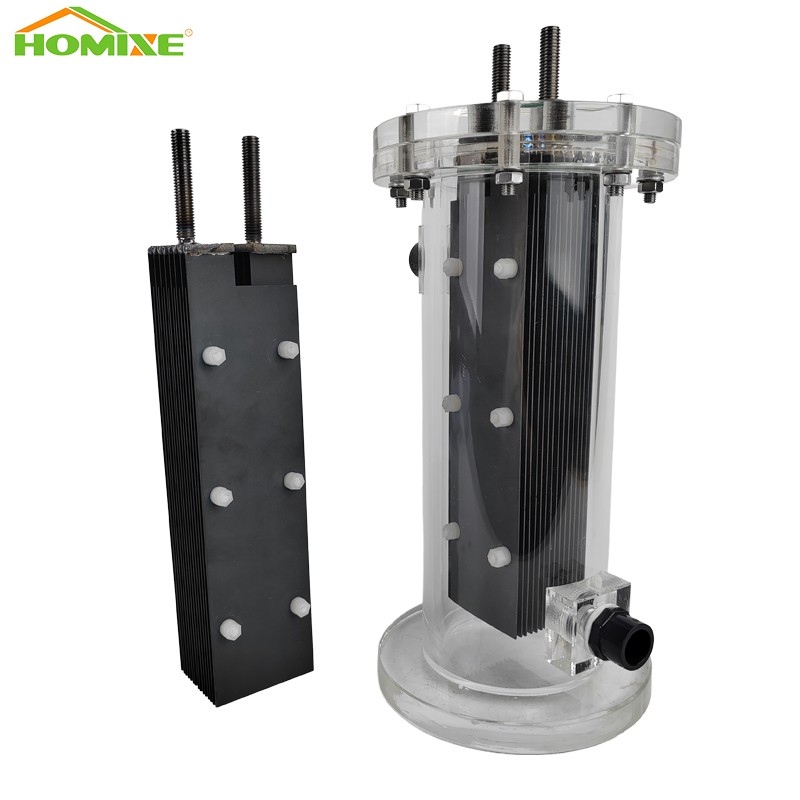
For OEM equipment manufacturers and system integrators
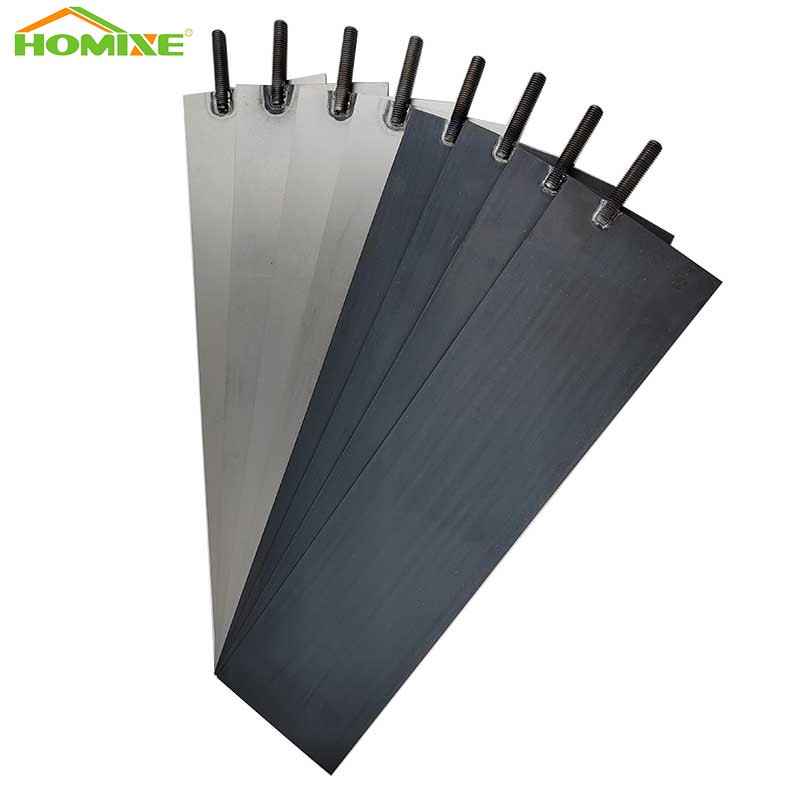
For electrolysis system replacement and customized applications


 EN
EN