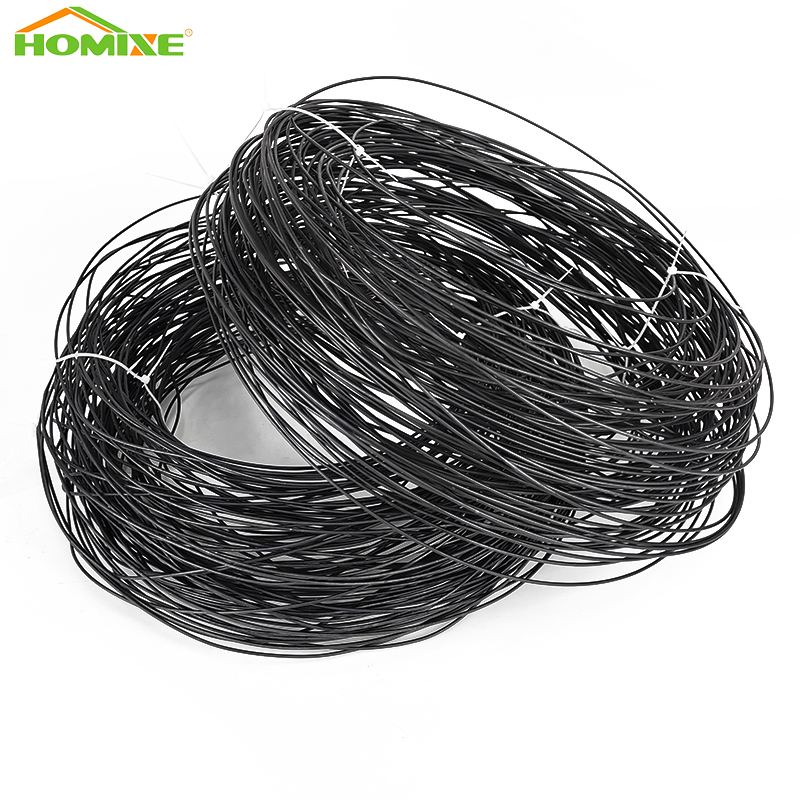
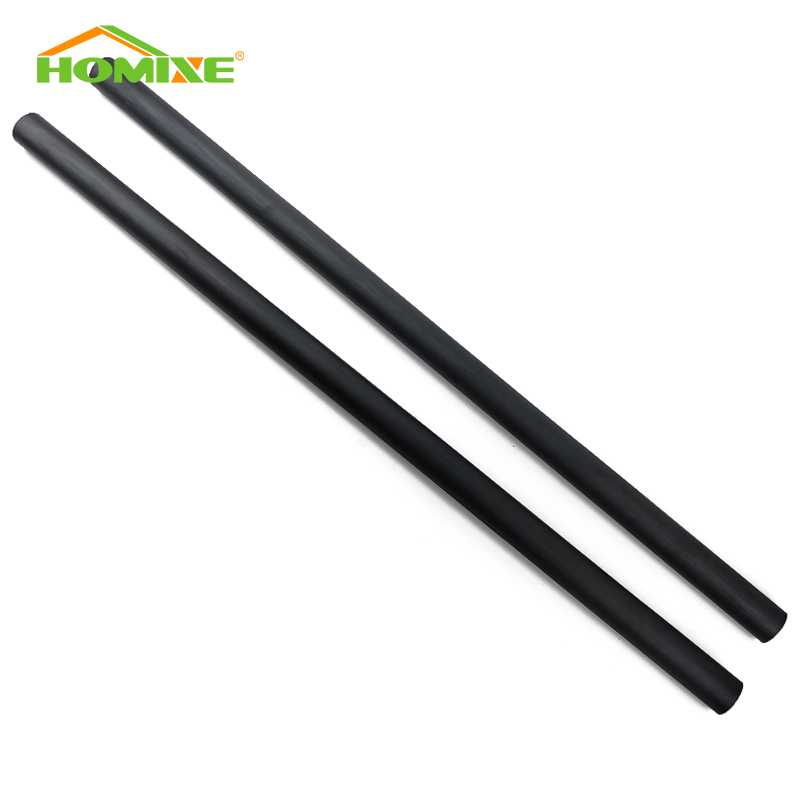
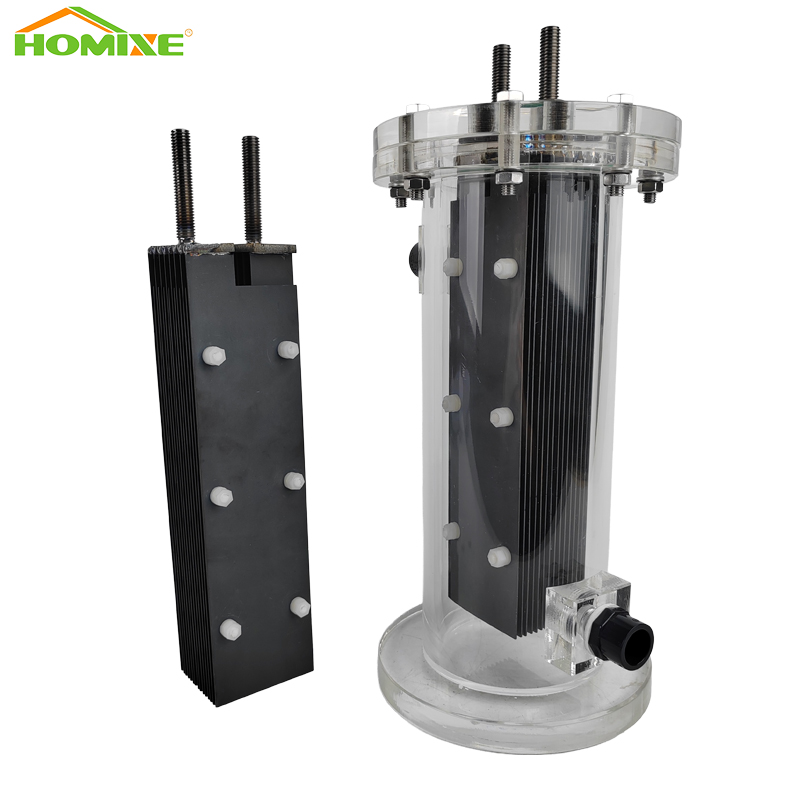
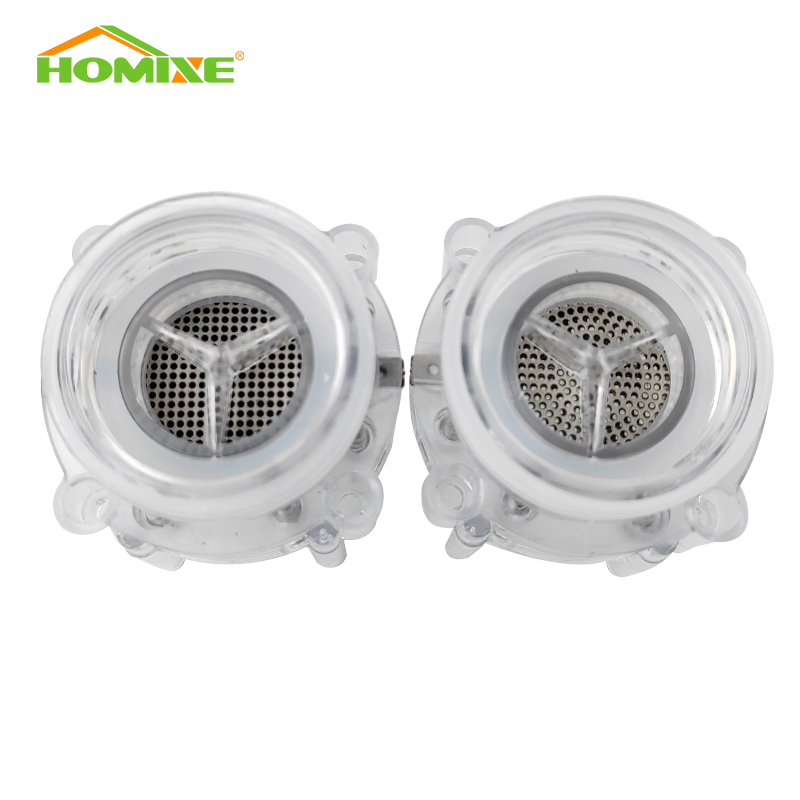
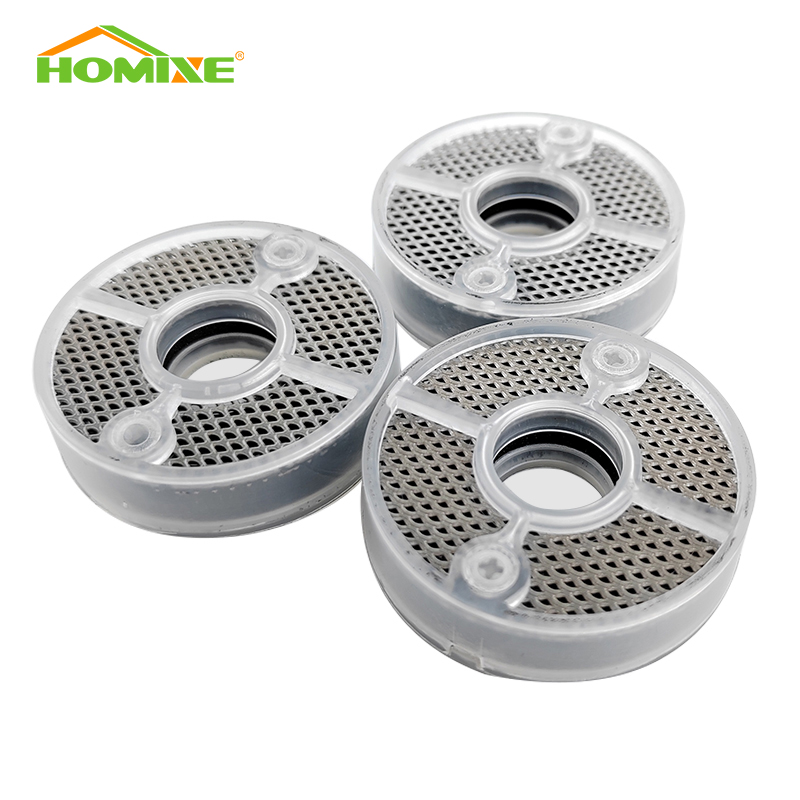
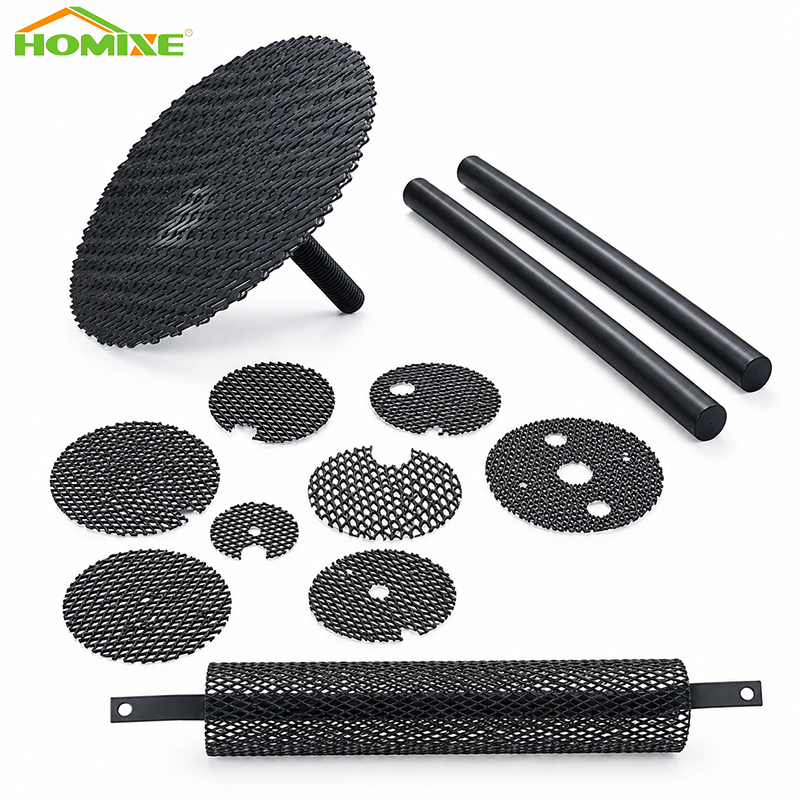
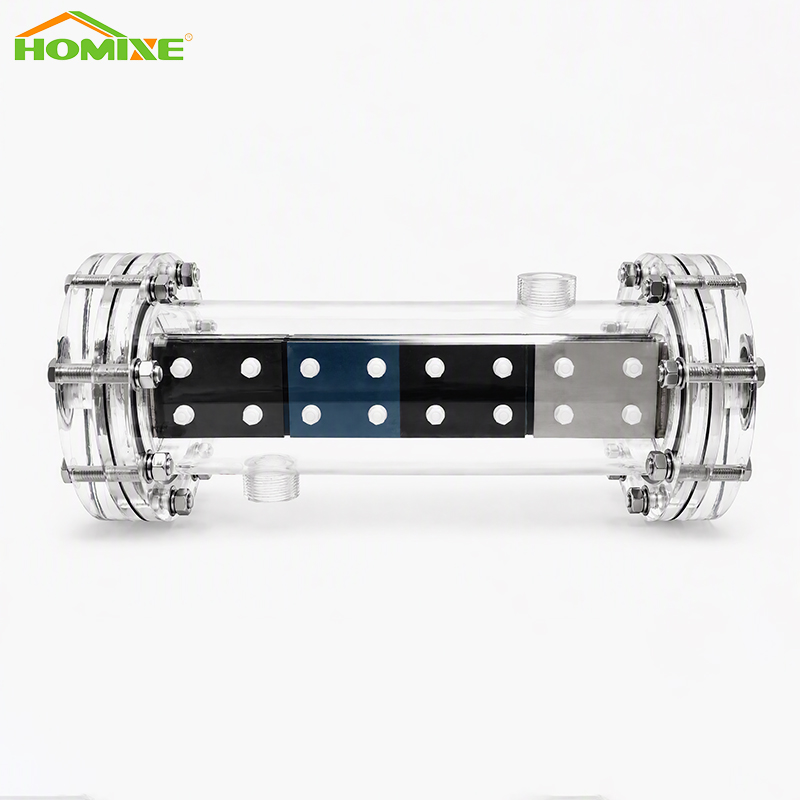
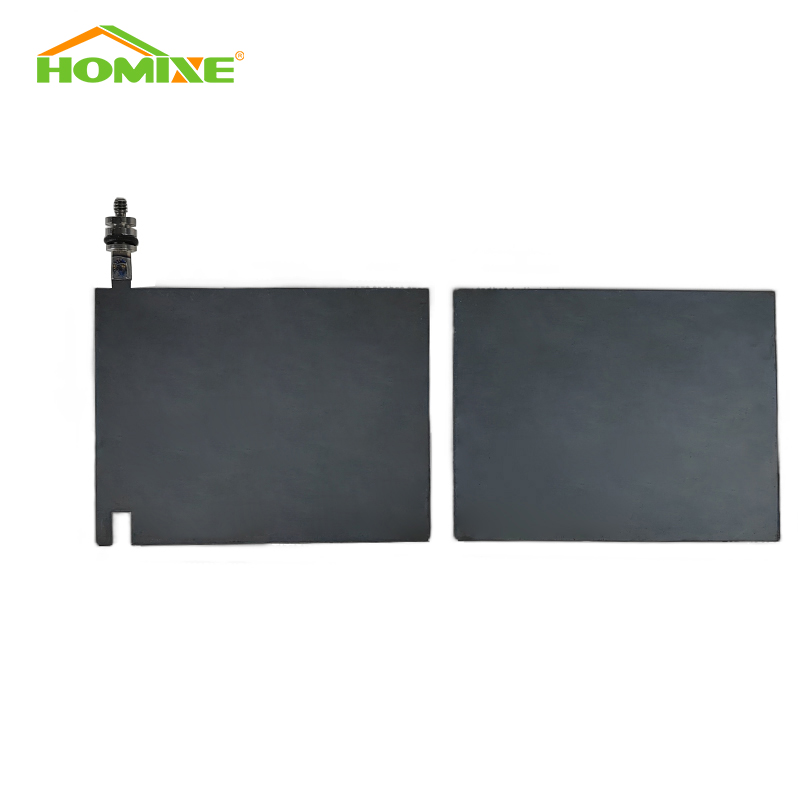
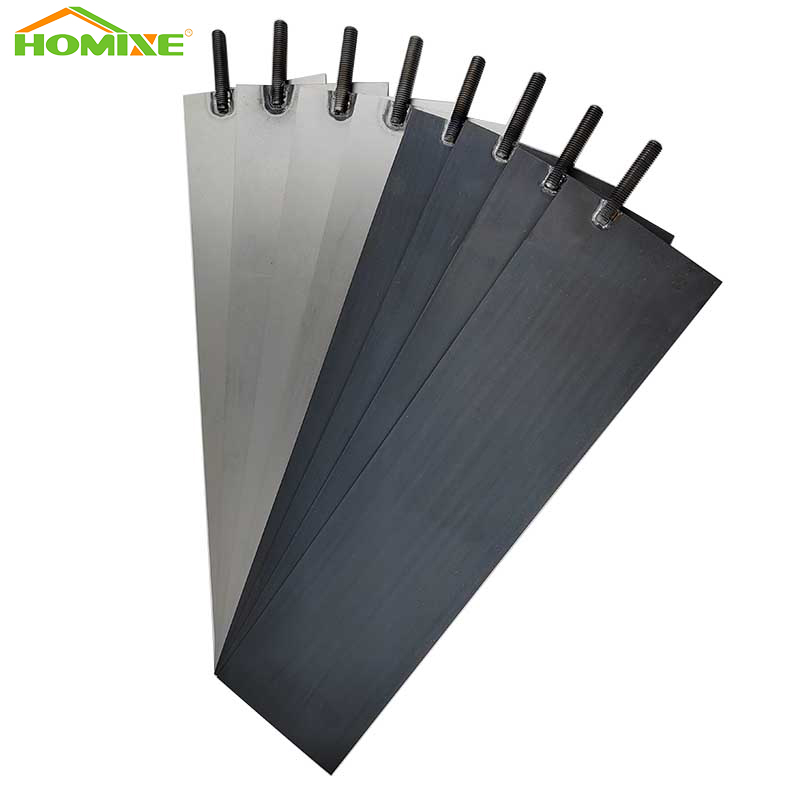
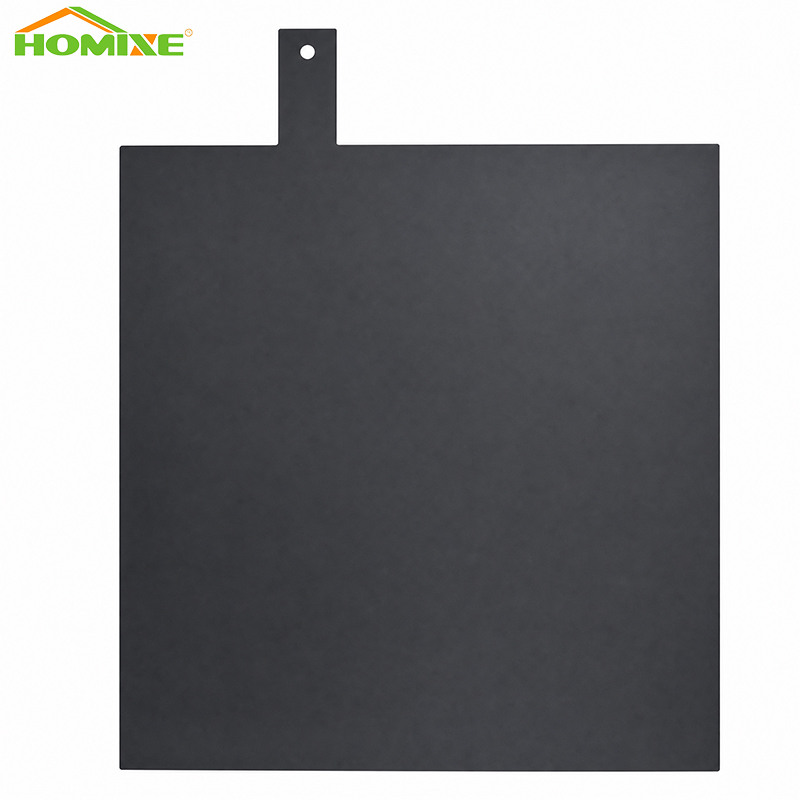
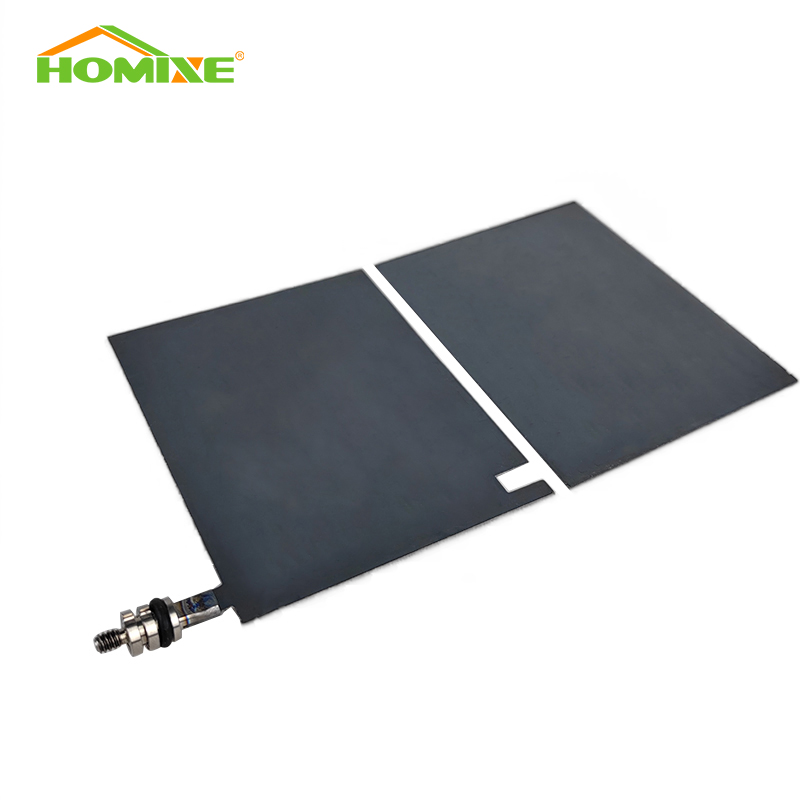
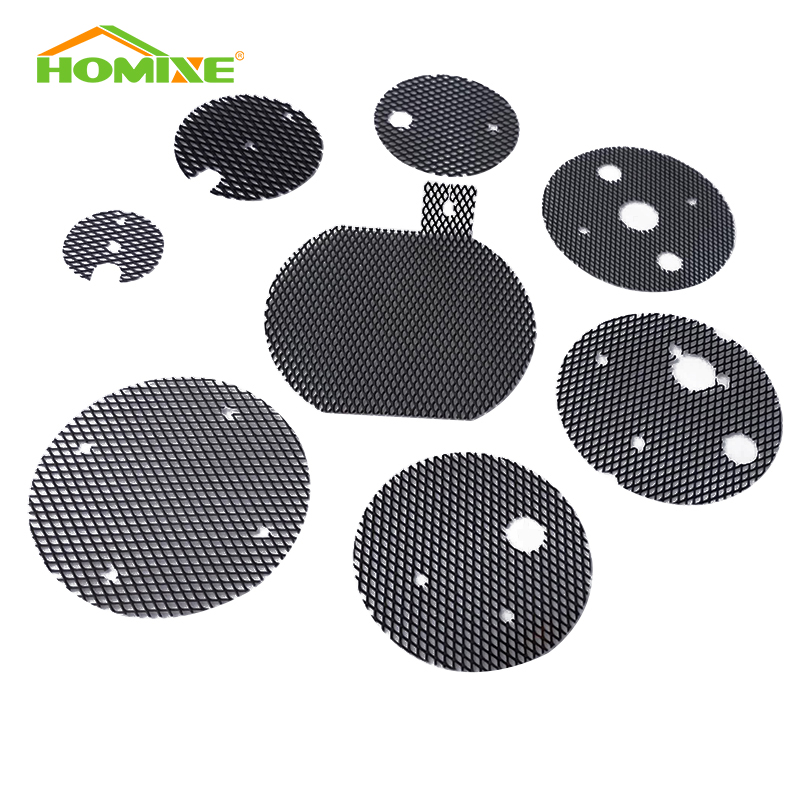
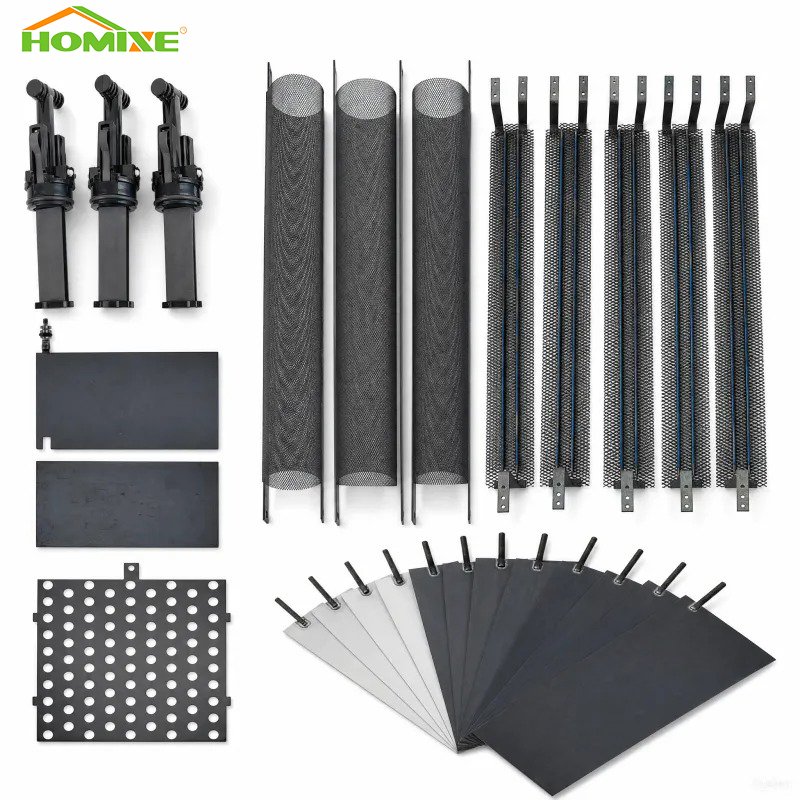
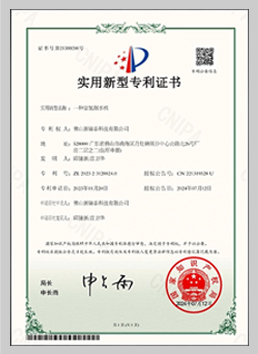
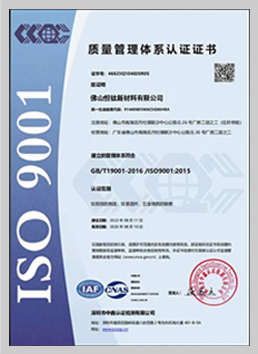
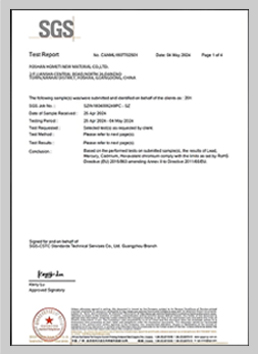
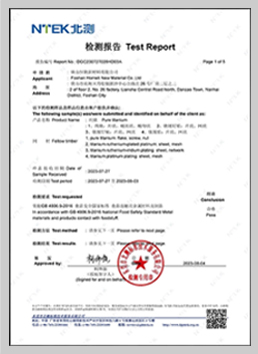
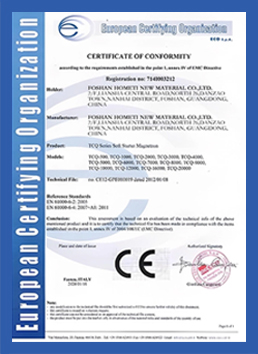
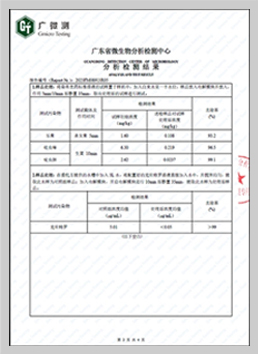
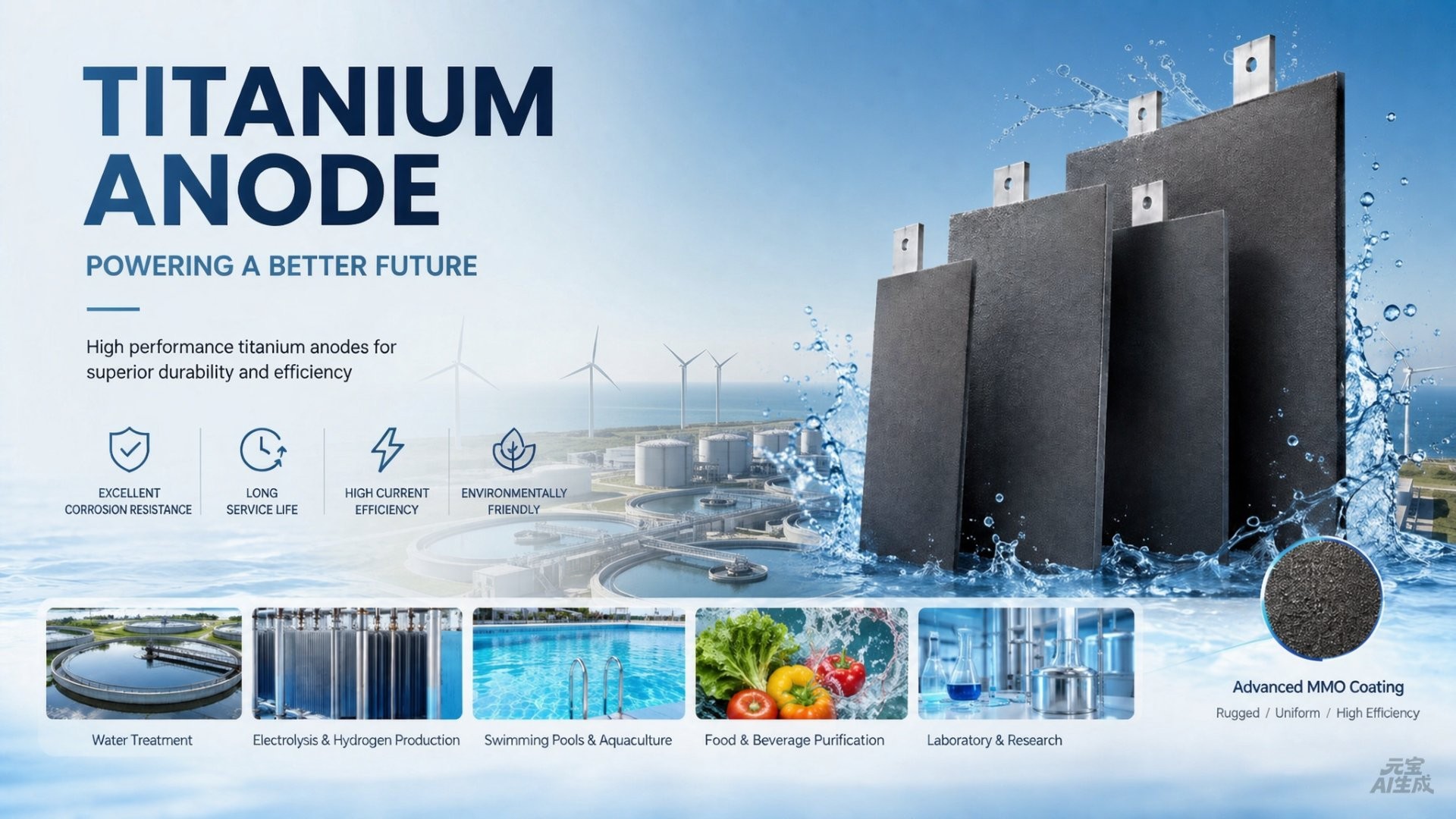
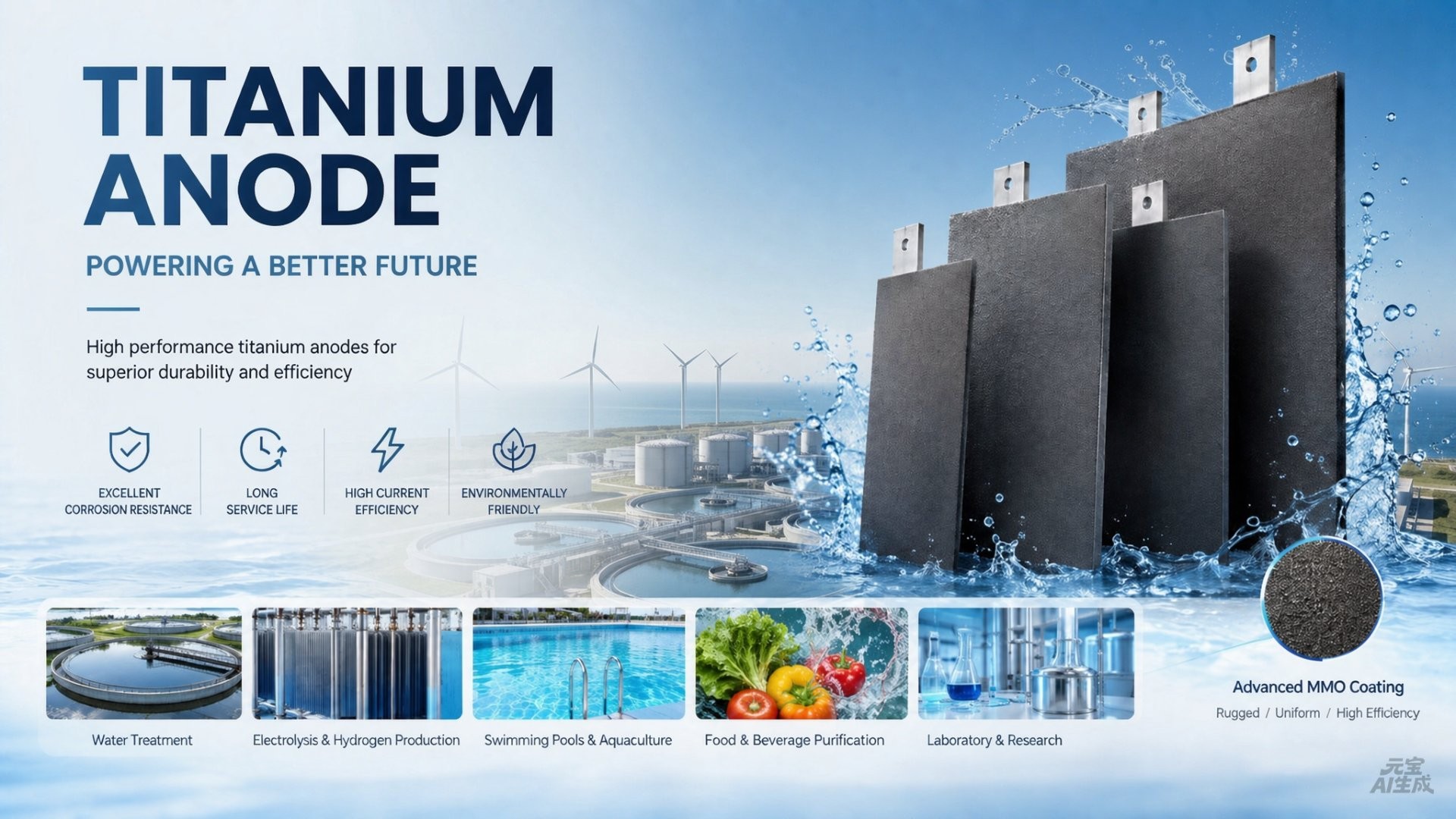
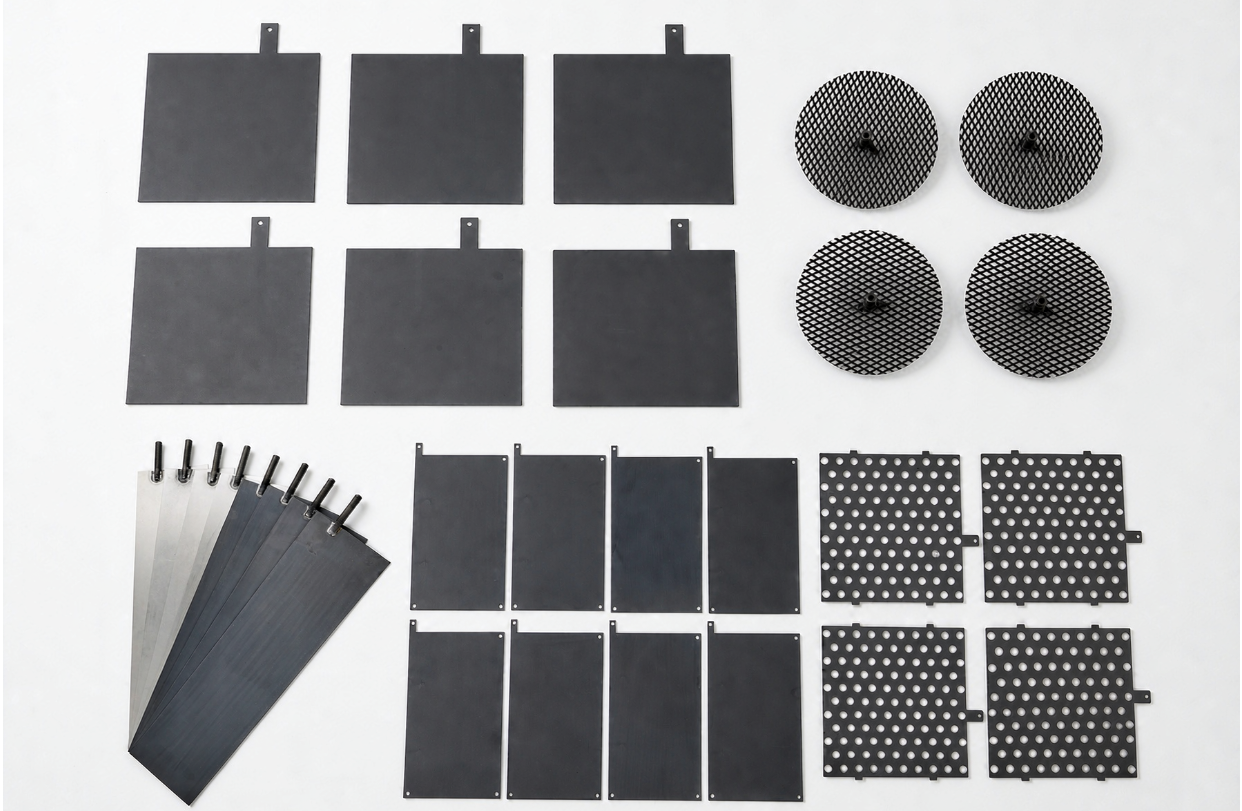
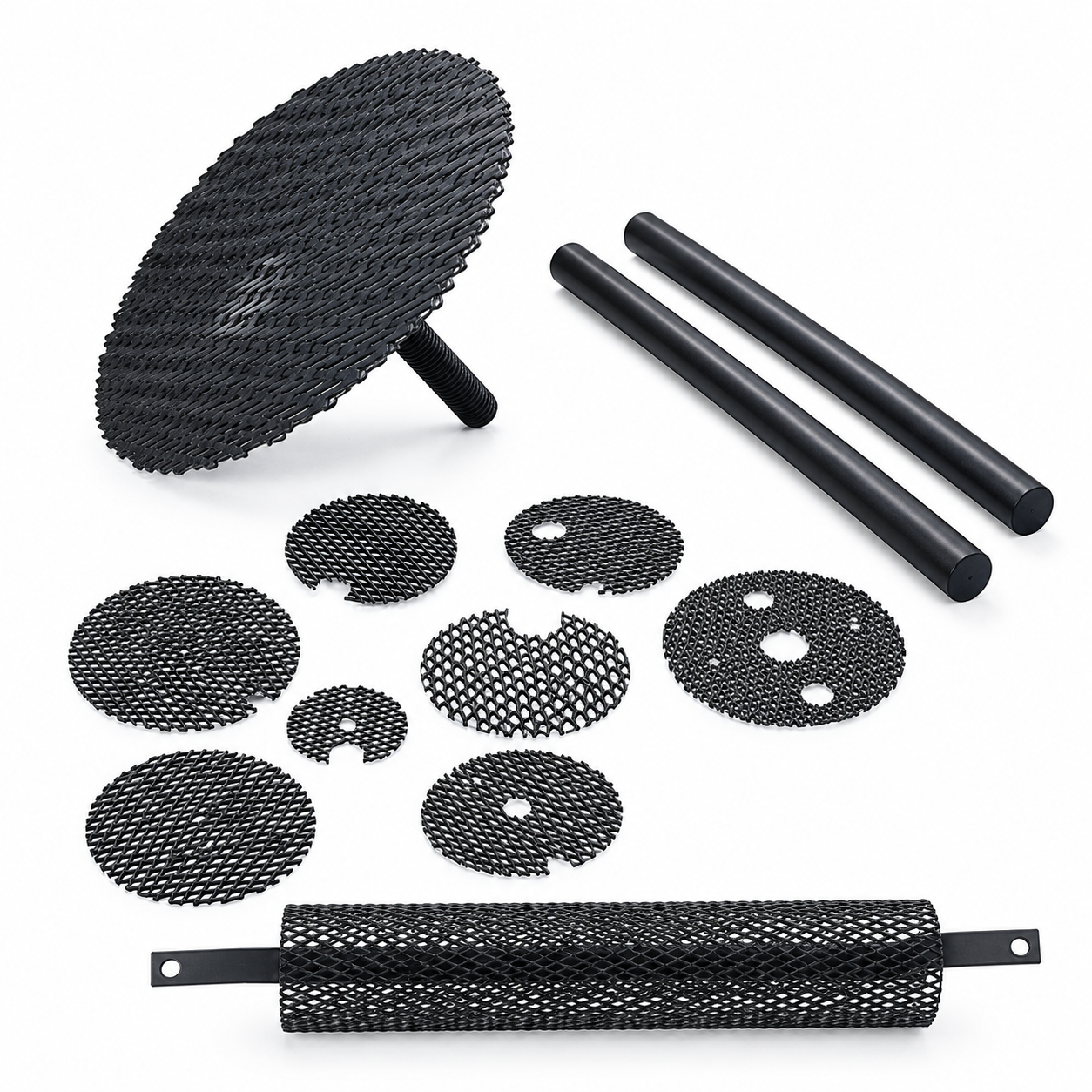
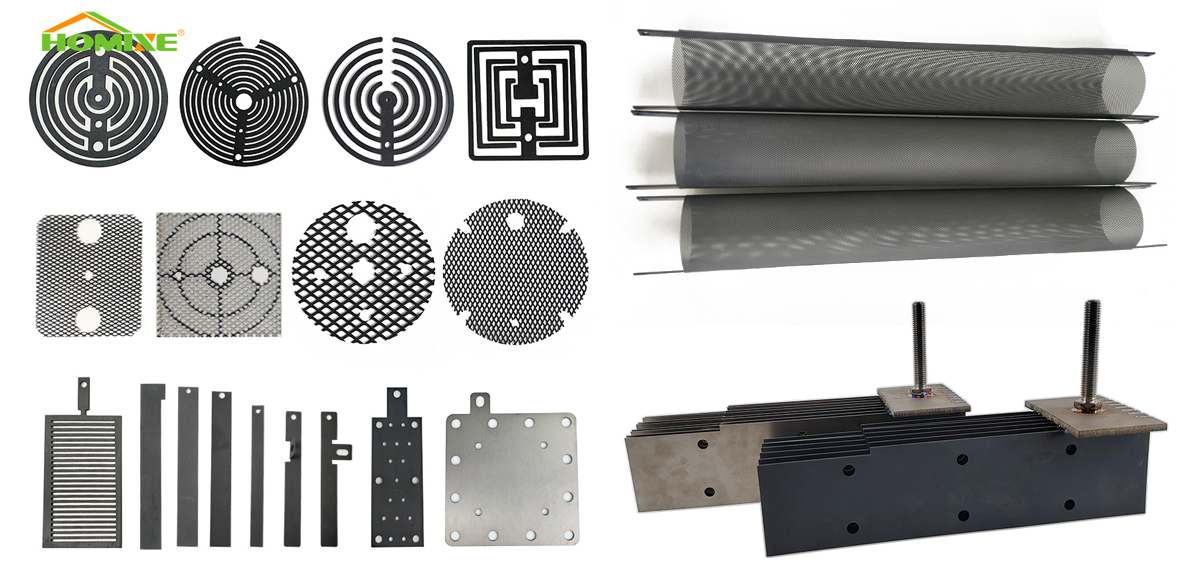
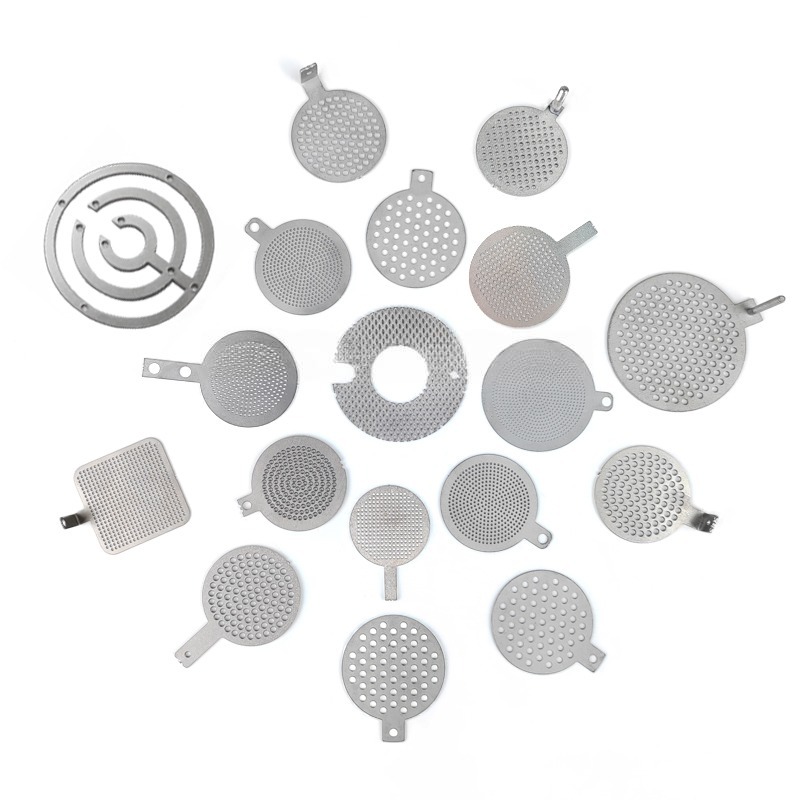
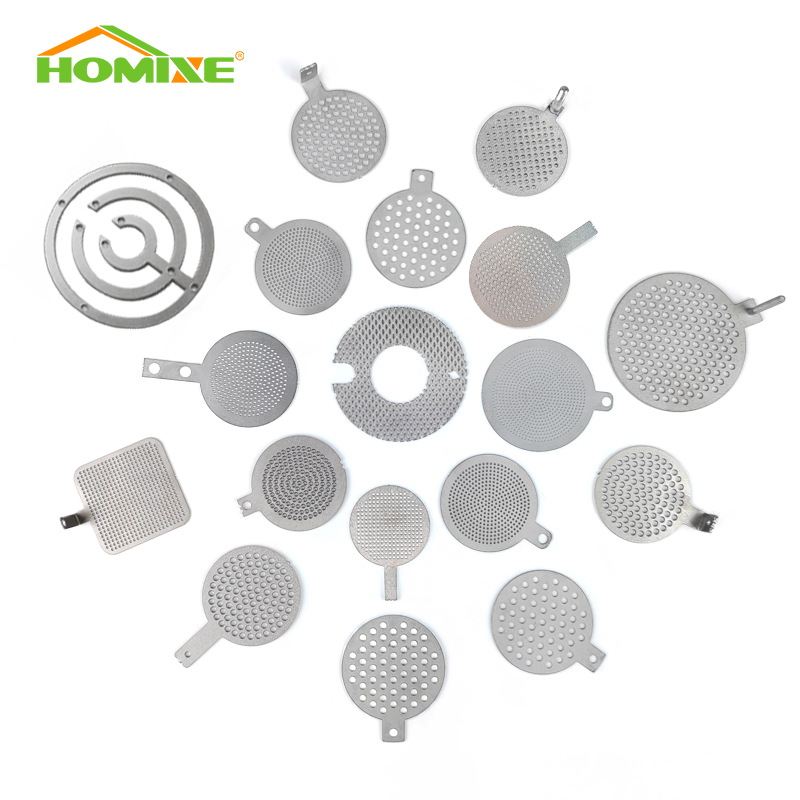
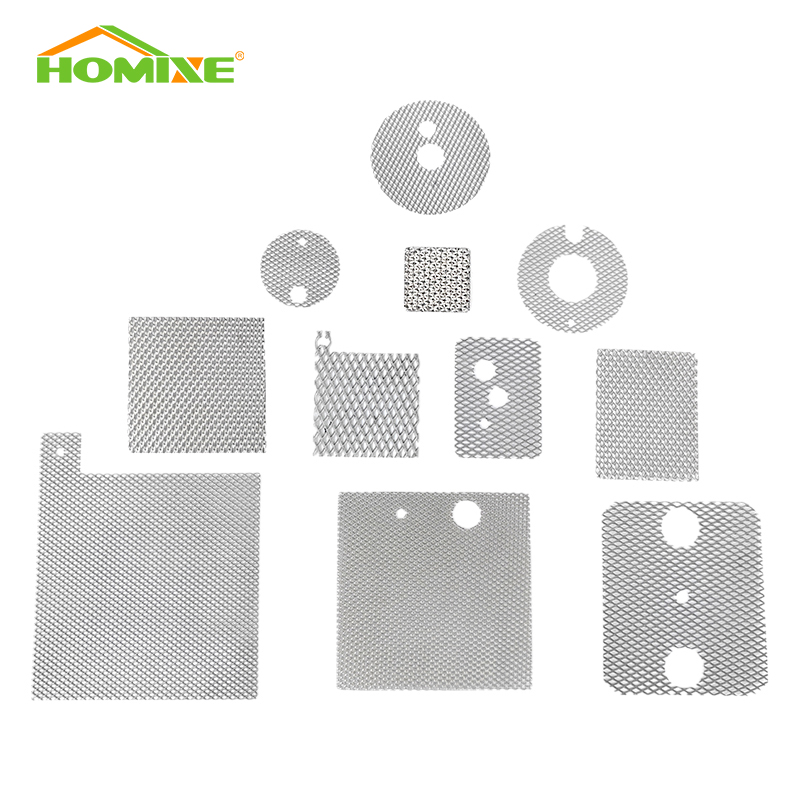
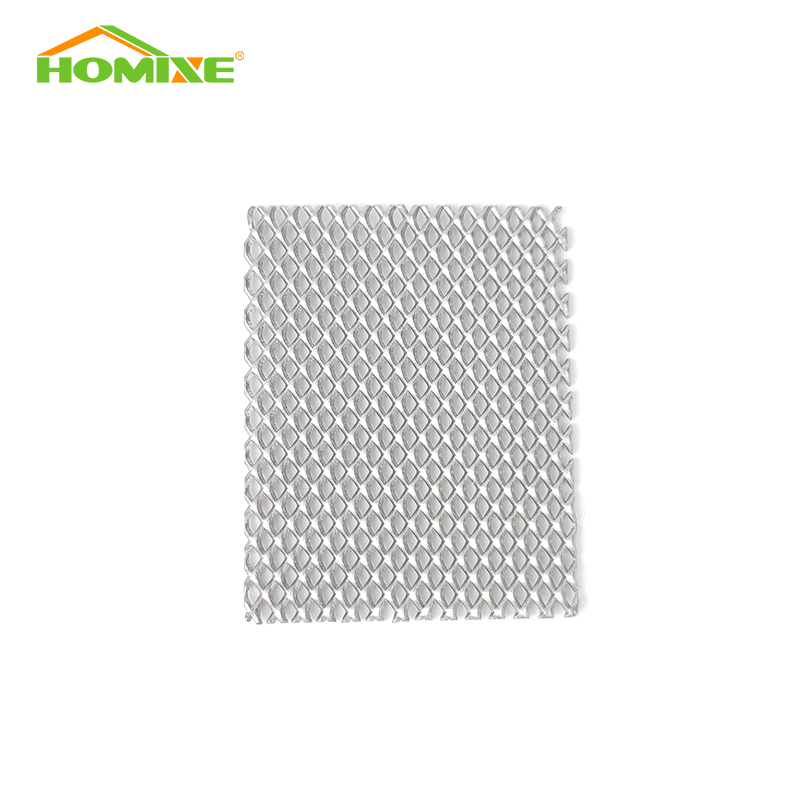
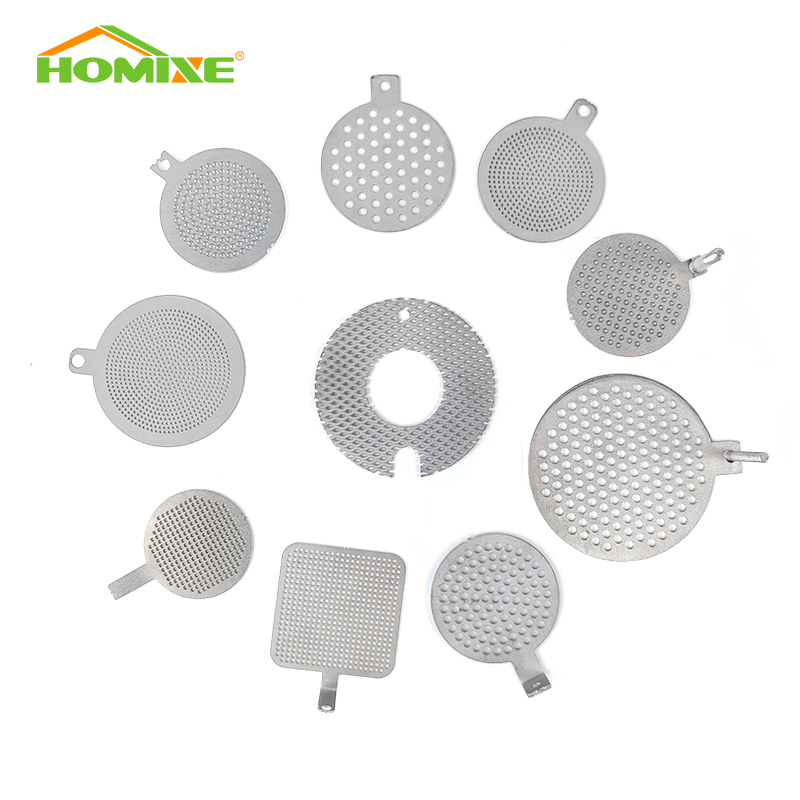
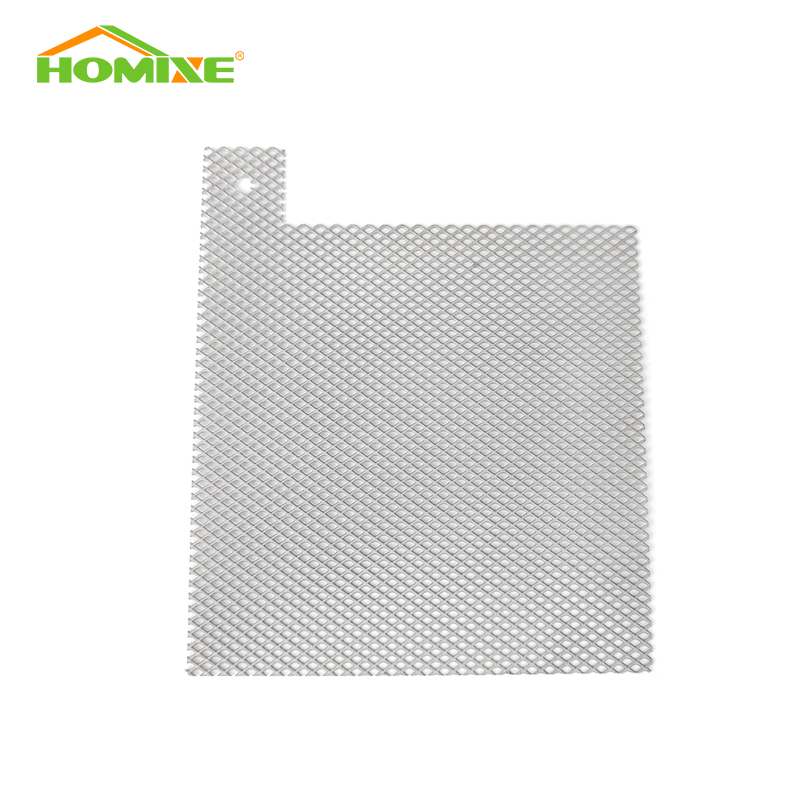
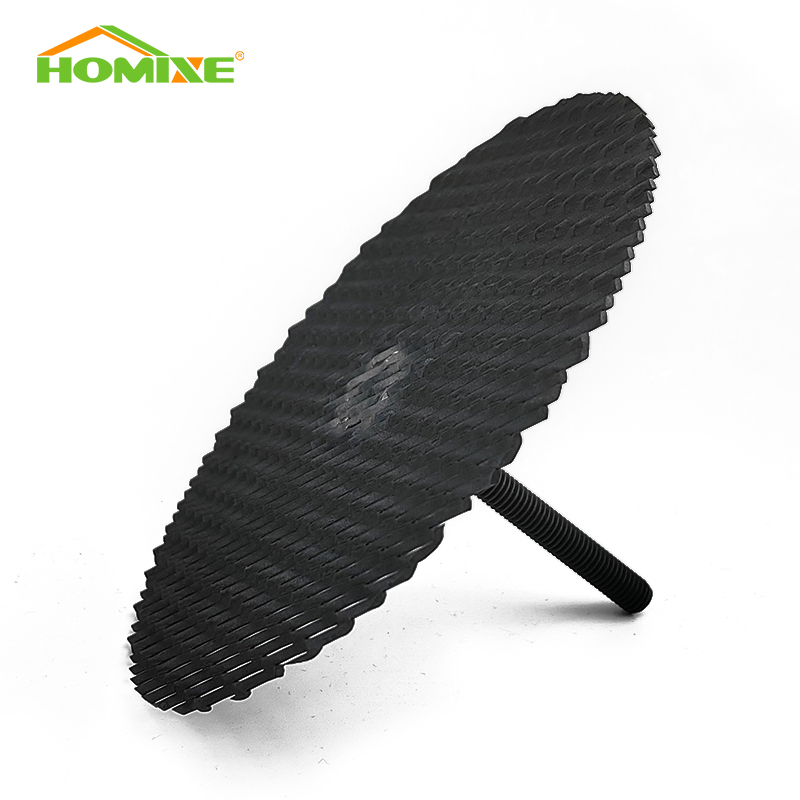
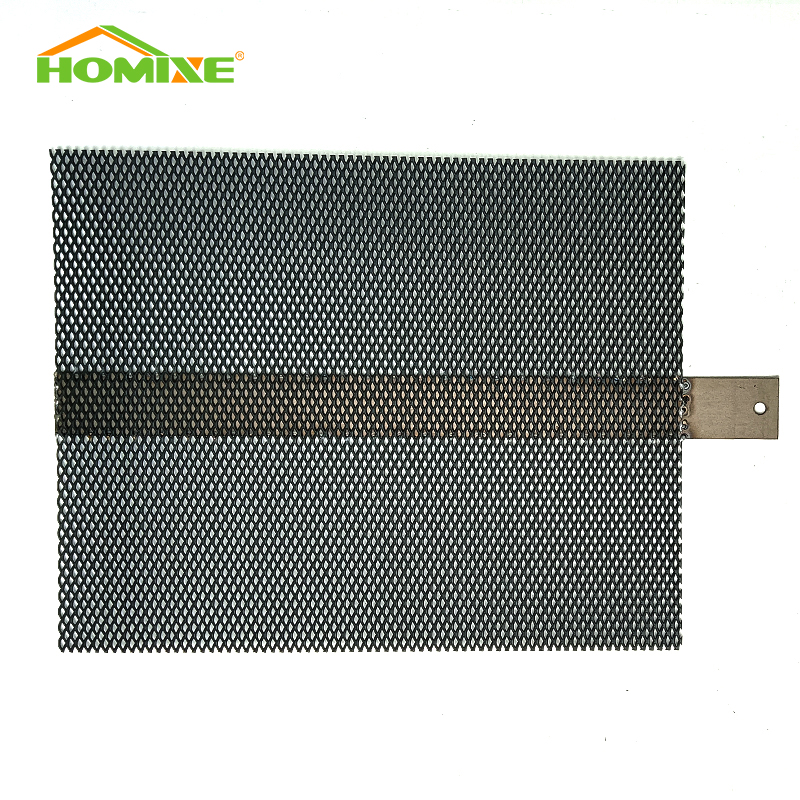
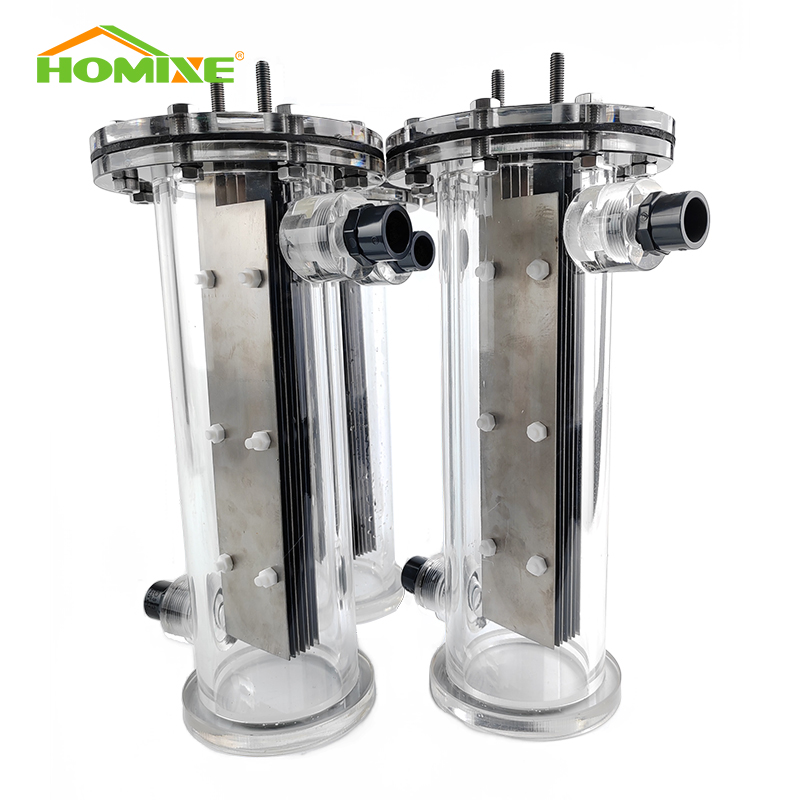
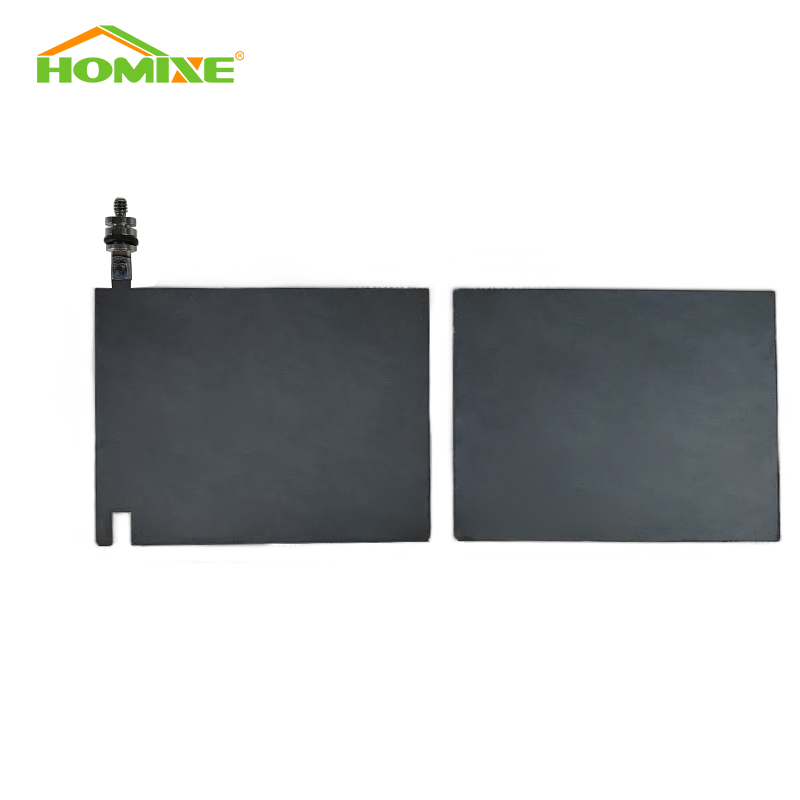
The Titanium Anode is a cutting-edge product designed to provide superior performance and durability in various industrial applications. With its high corrosion resistance and excellent conductivity, this product is ideal for use in electrolysis processes, wastewater treatment, electroplating, and more. The column description highlights the unique features and benefits of the Titanium Anode, showcasing its reliability and efficiency in delivering exceptional results for our customers. Get Price on HOMIXE titanium anode supplier.
HOMIXE · In-house coating workshop
Three Titanium Anode Coating Systems — MMO, Ru-Ir and Platinum
A titanium anode is only half titanium.
What the electrode actually does — and how long it lasts — is decided by the coating on its surface. HOMIXE applies three coating families in our own workshop: mixed metal oxide (MMO), ruthenium-iridium oxide (Ru-Ir) and platinum (Pt).
Out of the box they look almost identical. Inside the cell they behave very differently. Choose by the reaction you need to drive and the electrolyte you are running — not by price per piece.
O₂ evolutionDimensionally stable · ceramic
MMO — Mixed Metal Oxide Anode
(IrO₂-Ta₂O₅)
Mixed metal oxide anodes carry a ceramic iridium-tantalum oxide layer, applied to Gr1 / Gr2 titanium by thermal decomposition and sintered into a dimensionally stable coating.
Choose MMO when the reaction you need is oxygen evolution.
The IrO₂-Ta₂O₅ system has a low oxygen overpotential, so it delivers high current density at a lower cell voltage, while the tantalum oxide stabiliser gives it outstanding resistance to acid attack. The coating does not dissolve like a metal layer — it works by catalysis, which is why MMO anodes run for years at high current density.
Typical duty
Water electrolysis & hydrogen generation
Acid electroplating (hard chrome, acid copper)
Electrolytic wastewater treatment
Copper foil & PCB plating
Impressed-current cathodic protection in soil
Not the right choice for: high-efficiency chlorine evolution — Ru-Ir is better here — or fluorine-containing electrolytes.
Cl₂ evolutionFormulated for brine · oxide
Ru-Ir — Ruthenium-Iridium Oxide Anode
(RuO₂-IrO₂)
Ru-Ir anodes use a ruthenium-iridium oxide coating formulated specifically for chlorine evolution.
Choose Ru-Ir when your cell produces chlorine or hypochlorite.
Ruthenium oxide has the lowest chlorine overpotential of the three systems, so brine cells run at a lower voltage and convert more of the current into chlorine instead of oxygen. The iridium in the mix stabilises the ruthenium oxide and extends coating life — pure RuO₂ works well for a short time and then fails.
Typical duty
On-site sodium hypochlorite from brine or seawater
Swimming pool & cooling-water disinfection
Chlor-alkali cells
Chlorine dioxide generation
Seawater electrolysis
Not the right choice for: oxygen-evolution duty, or any cell where the polarity is reversed. RuO₂ is attacked very quickly once it is forced into oxygen evolution — polarity reversal is the single most common cause of premature Ru-Ir failure.
Metal surfaceElectro-deposited · 0.2–20 μm
Platinum — Platinized Titanium Anode
(Pt/Ti)
A platinized anode carries metallic platinum — not an oxide — electro-deposited onto the titanium substrate, typically 0.2 to 20 μm thick.
Choose platinum when you need a stable metal surface, not the cheapest surface.
Because the coating is platinum metal, it does not contaminate the electrolyte. That matters in precious-metal plating baths, where a trace of a foreign metal ion ruins the deposit. Platinum also tolerates polarity reversal and intermittent operation far better than any oxide coating, and it performs well in both oxygen-evolution and cathodic-protection duty.
Typical duty
Hydrogen water generators & water ionizers
HHO generators
Precious-metal plating (gold, rhodium, platinum)
Sulfuric acid anodising
Impressed-current cathodic protection
Not the right choice for: high-current chlorine evolution, where Ru-Ir is more efficient, or large-area industrial oxygen evolution on a tight budget — MMO delivers more active area for the same spend. Platinum is the most expensive option per square metre, and its service life scales with coating thickness.
Rule of thumb: oxygen → MMO, chlorine → Ru-Ir, metal-purity or polarity reversal → platinum. Tell us the reaction and the electrolyte first; the substrate grade, coating load and current density follow from that.
High-performance exhaust systems, racing components, and premium consumer goods.
Exhaust SystemsRacing ComponentsPremium Goods
Why Choose Us
Key Advantages & Why Choose Us
Certified material integrity, corrosion-proof performance and precision processing — engineered to meet the exact requirements of your specification.
01
Certified Quality Assurance
100% PMI (Positive Material Identification) tested on every batch. All shipments are supplied with a Material Test Certificate (MTC) EN 10204 3.1 for full traceability.
100% PMI TestedEN 10204 3.1Full Traceability
02
Superior Corrosion Resistance
Excellent, proven performance in highly corrosive environments — including marine exposure, chemical processing plants and acidic media.
MarineChemical ProcessingAcidic Conditions
03
Advanced Manufacturing & Tolerances
State-of-the-art CNC machining and rolling equipment delivers ultra-precise, repeatable tolerances — up to h7 / h9 for bars.
Tolerance h7 / h9CNC MachiningPrecision Rolling
04
Custom Processing Services
Cutting, shearing, water-jet cutting, surface treatment and custom forging — every operation tailored to your exact drawings.
Four quick questions to narrow down the right coating: Ru-Ir, MMO or platinum.
1
Which reaction?
Producing chlorine or hypochlorite — choose Ru-Ir Releasing oxygen — choose MMO or platinum if the bath must stay free of foreign metal ions.
2
Which electrolyte?
Brine or seawater with chlorides — choose Ru-Ir Acid without chlorides — MMO (Ir-Ta) or platinum Precious-metal plating solution — choose platinum
Fluoride-containing electrolytes — talk to us before you specify anything, because both titanium and most oxide coatings are attacked.
3
Will the polarity ever reverse, or the cell start and stop?
Choose platinum, without question. It is the only one of the three that tolerates it.
4
Cost per year, not price per piece.
MMO is the most economical choice for oxygen evolution at high current density. Ru-Ir wins where chlorine is the product. Platinum earns its price where contamination or polarity reversal rules the others out.
Still not sure?
Send us your electrolyte, current density and expected service life — our engineers will specify the coating and the coating load for you.
ElectrolyteCurrent densityExpected service life
Are you ready?
Ready to start your next project with premium titanium?
Contact our engineering team today for a fast, competitive quote.
Whether you need a standard stock size or a custom-fabricated component, we are here to support your supply chain.
Or please use the following table for reference. Our sales representative will contact you within 24 hours. Thank you for your attention to our products


 EN

_xt_seo0550.jpeg)
 拷贝22_xt_seo5050.jpg)