- Titanium Anode Electrolyzer Manufacturer & Water Electrolysis Hydrogen Solutions Supplier
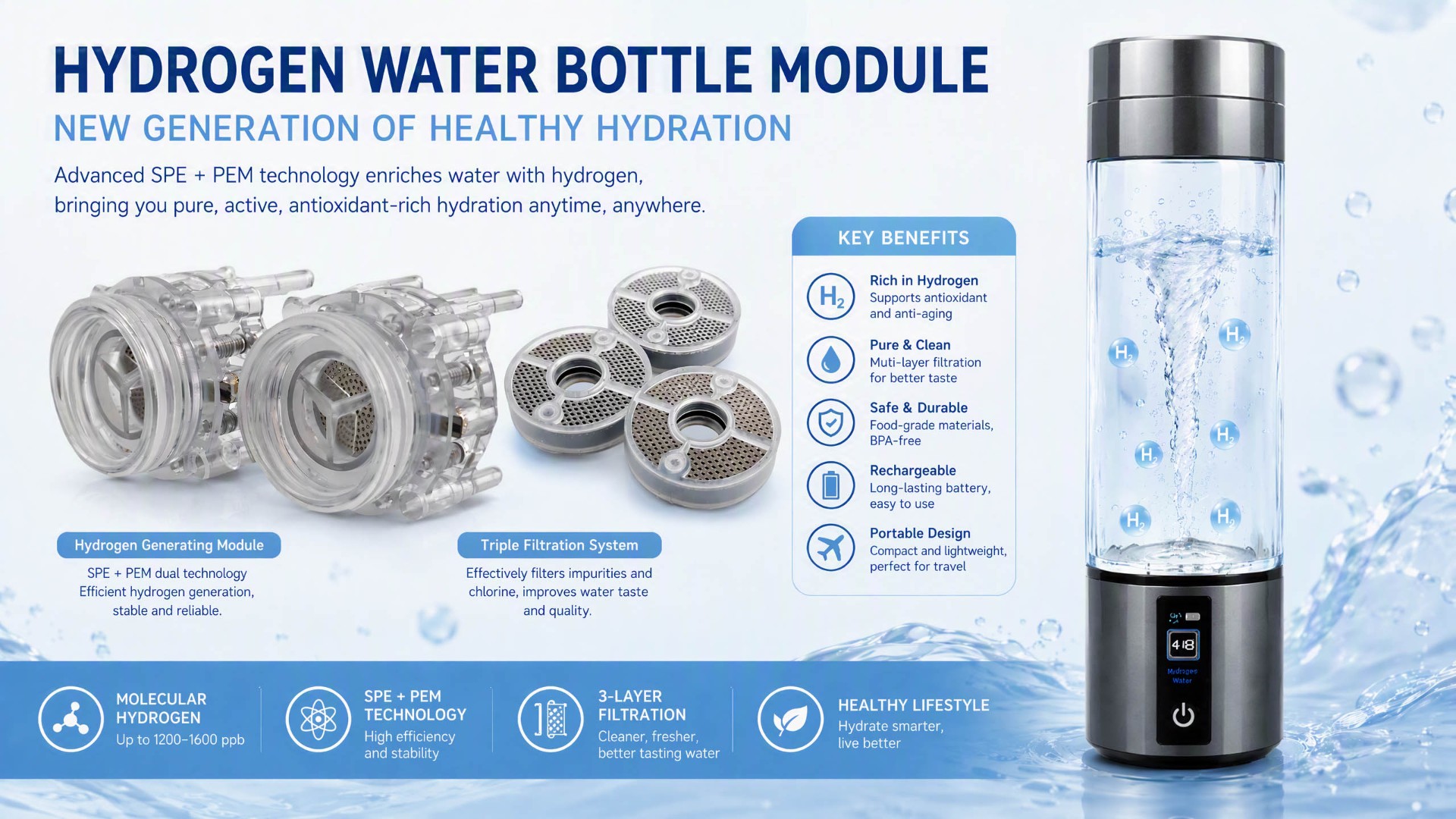
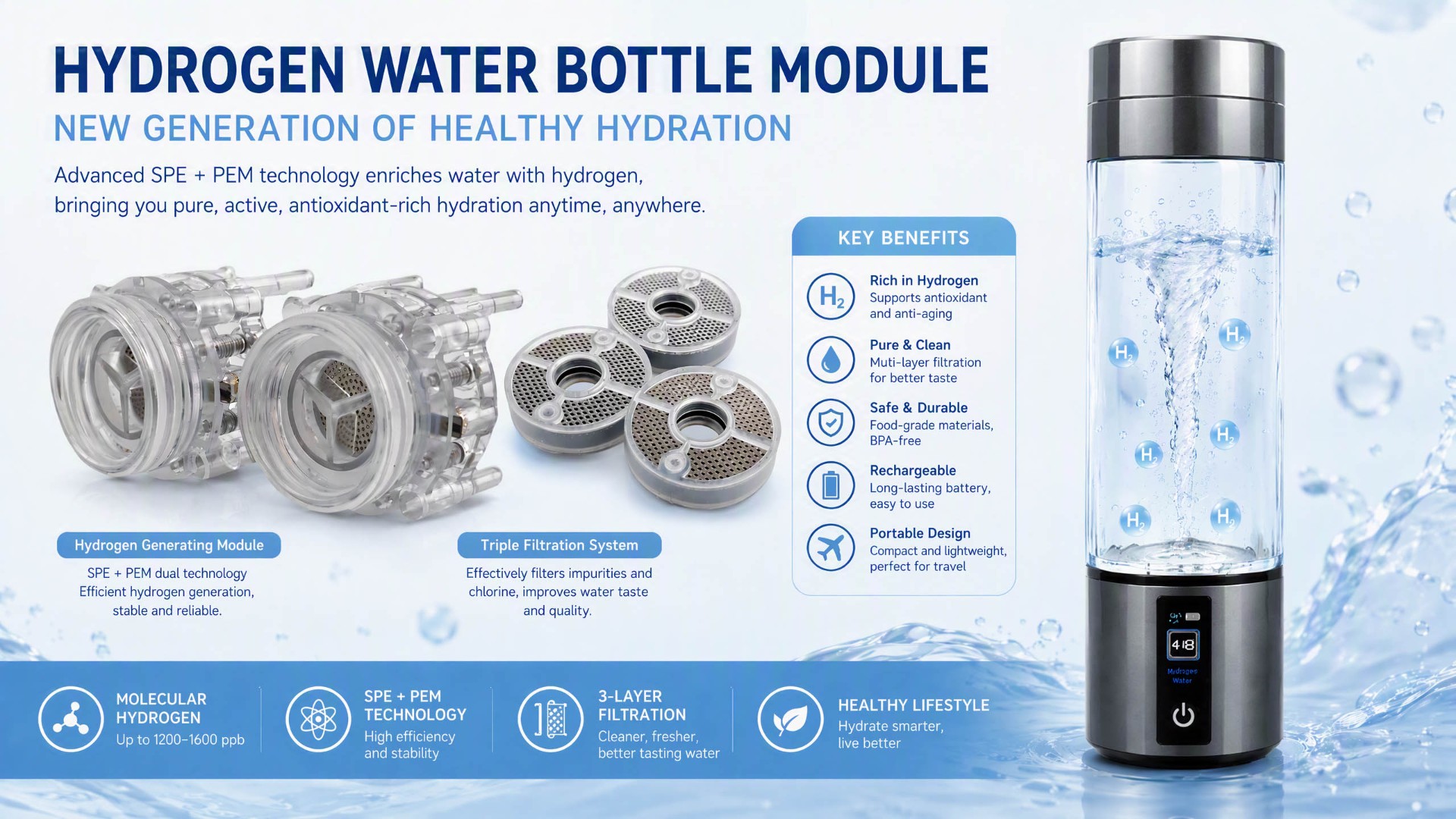
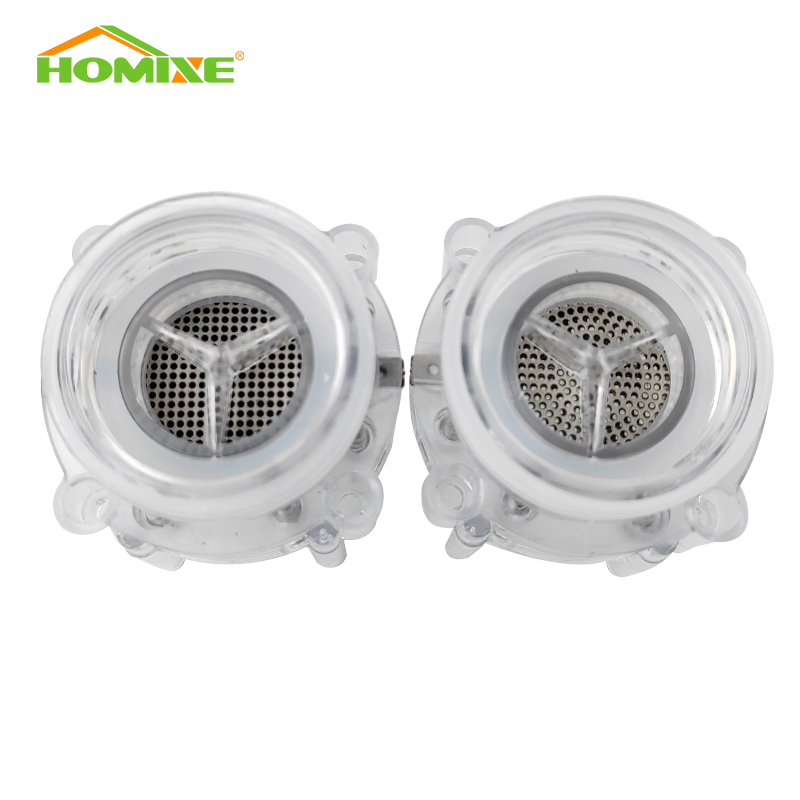
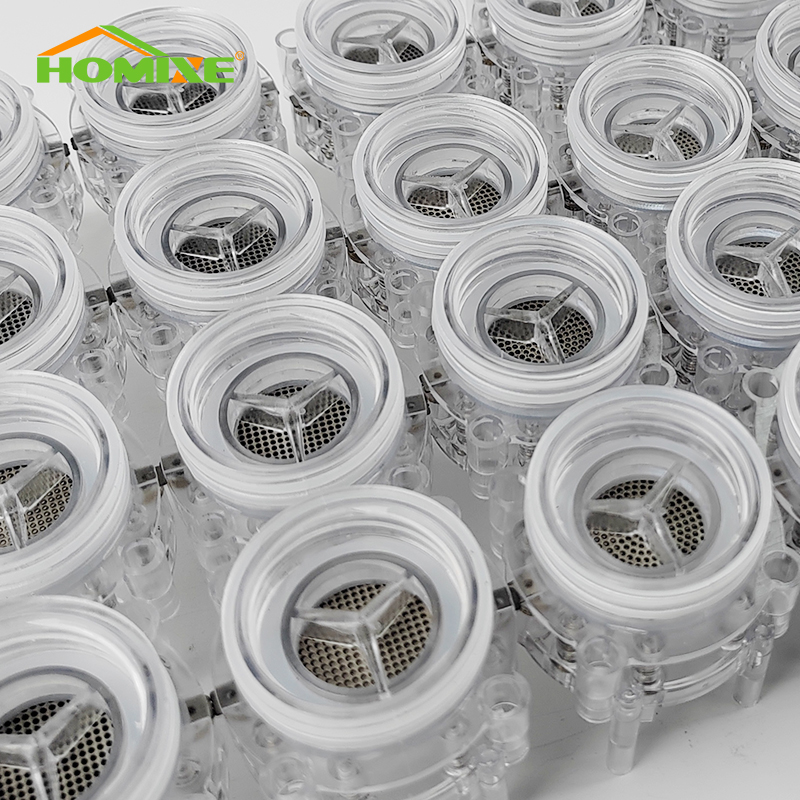
| Product Name | Hydrogen-Oxygen Separation Module (hydrogen-rich water electrolysis module) | Brand Name | HOMIXE |
| Model Number | HM-HONS8258 | Feature | Hydrogen and oxygen separated inside the cell. Hydrogen dissolves into the drinking water; oxygen is vented through a dedicated exhaust port, so no mixed gas enters the cup. No salt, no chlorine, no chemical additives. |
| Grade | GR1 Titanium | Certificate | ISO 9001:2015, RoHS, SGS · MTC and CoC on request |
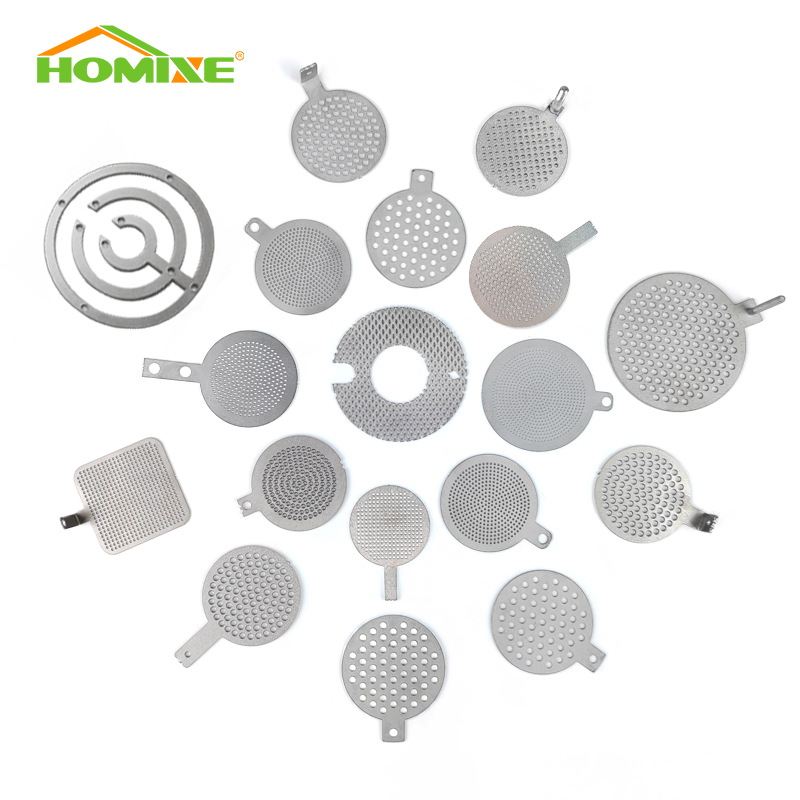
| Application | Hydrogen-rich water bottles and cups; hydrogen water machines; portable H₂ generators; wellness and beauty appliances; OEM appliance integration | Customization | Logo, housing colour, nozzle layout, cable & terminal, packing, custom PPB specification |
| Coating | Platinum (Pt) | Lead Time | 7 – 15 days after deposit |
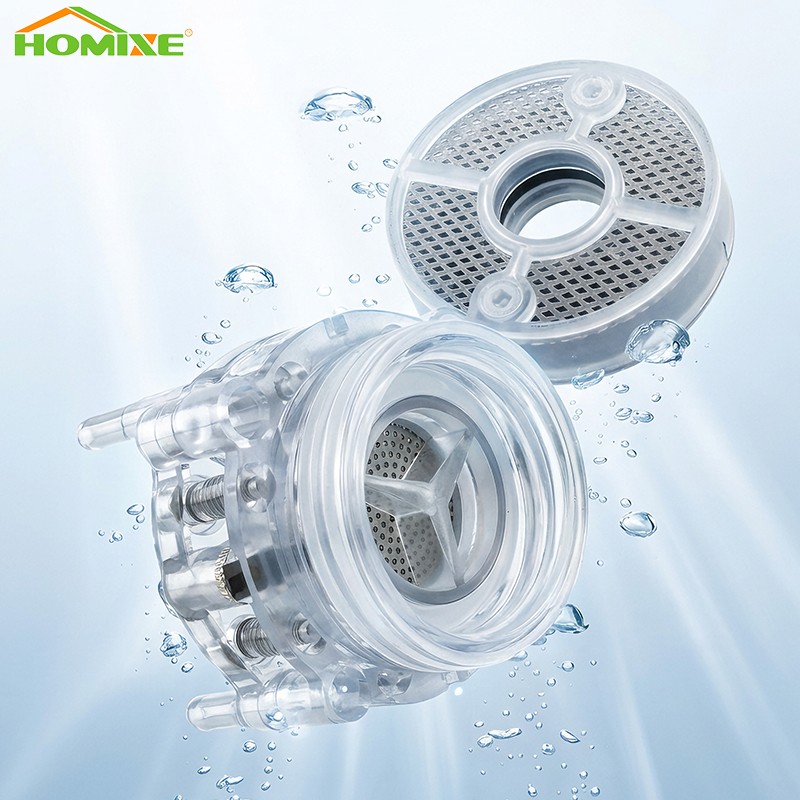
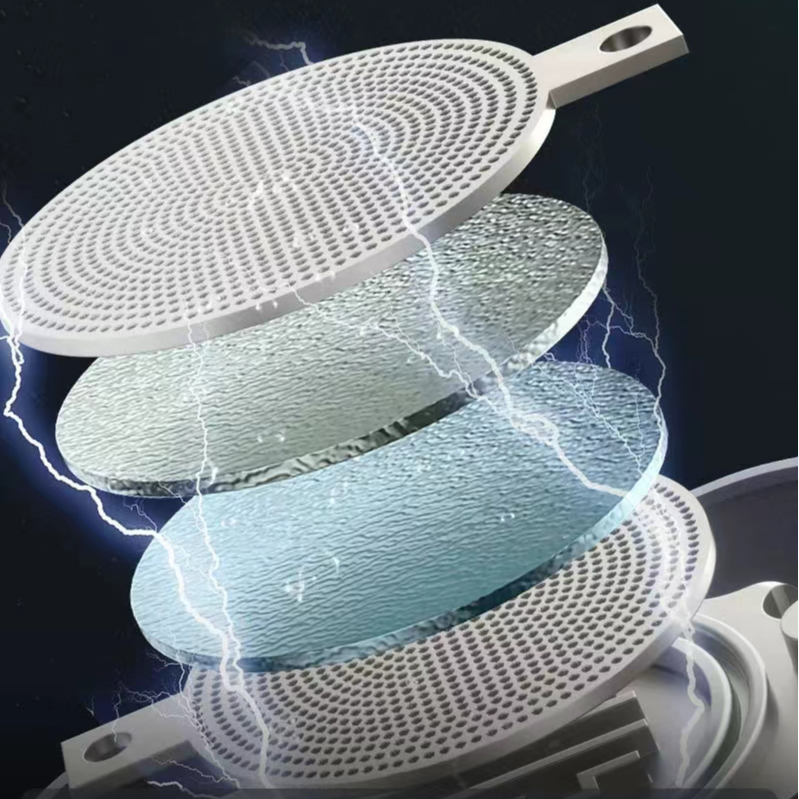
It is a small water electrolyser running on low-voltage DC. Water sits against two platinum-coated titanium electrode plates. Apply current and the electrical energy splits the water molecules: hydrogen forms at the negative electrode as H₂, oxygen forms at the positive electrode as O₂. Nothing is added to the water — no salt, no electrolyte, no chemicals.
What makes this module different from a non-separation type is the membrane sitting between the electrodes. It is permeable to hydrogen but blocks oxygen, and the oxygen is routed to its own exhaust nozzle. Hydrogen is carried into the drinking water; oxygen leaves the bottle. The two gases never recombine inside the cup, which is why the separation type reaches a higher hydrogen concentration and gives a cleaner drinking experience.
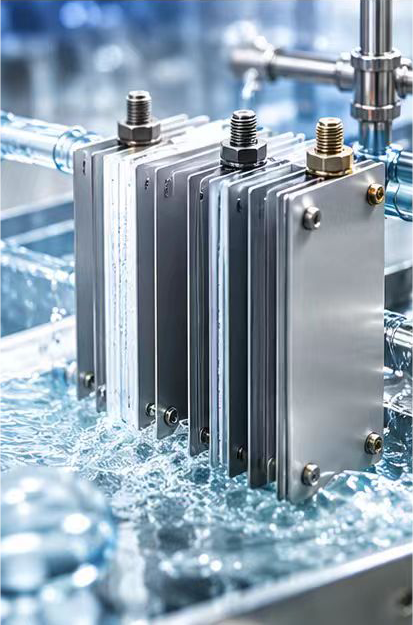
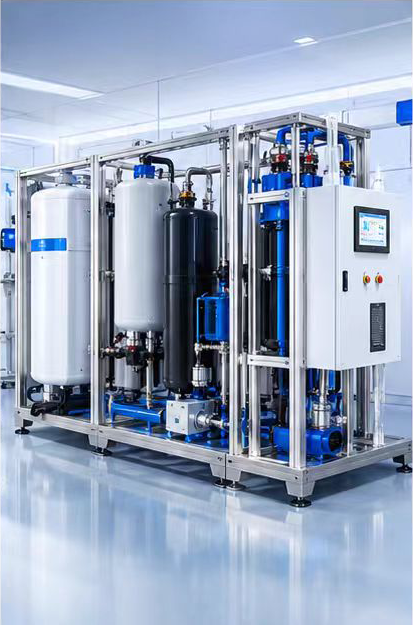
Designed for Water Electrolysis, Hydrogen Generation and Customized Electrochemical Equipment
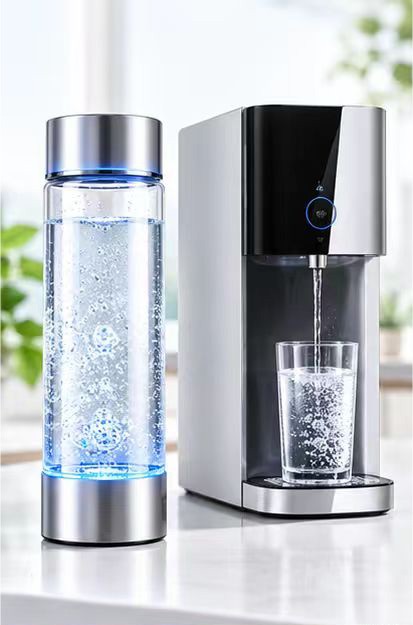
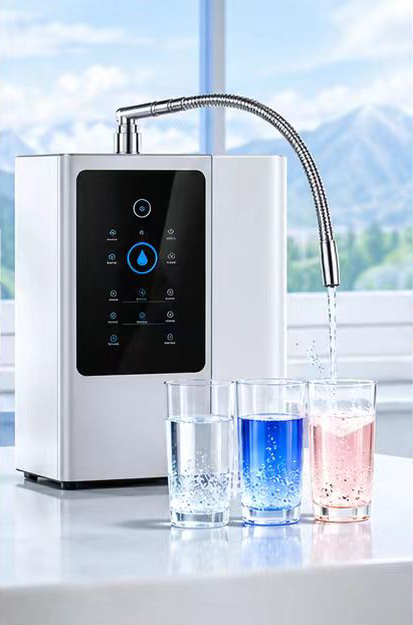
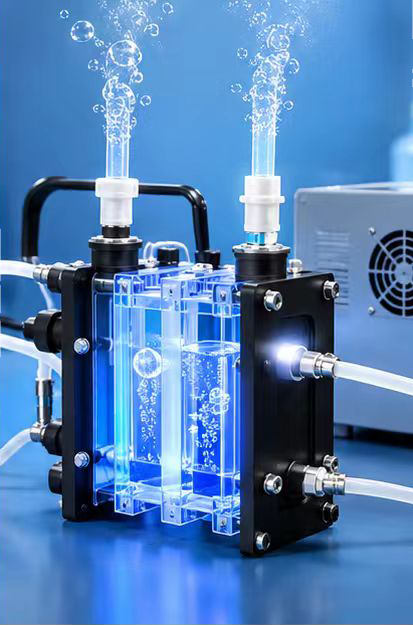
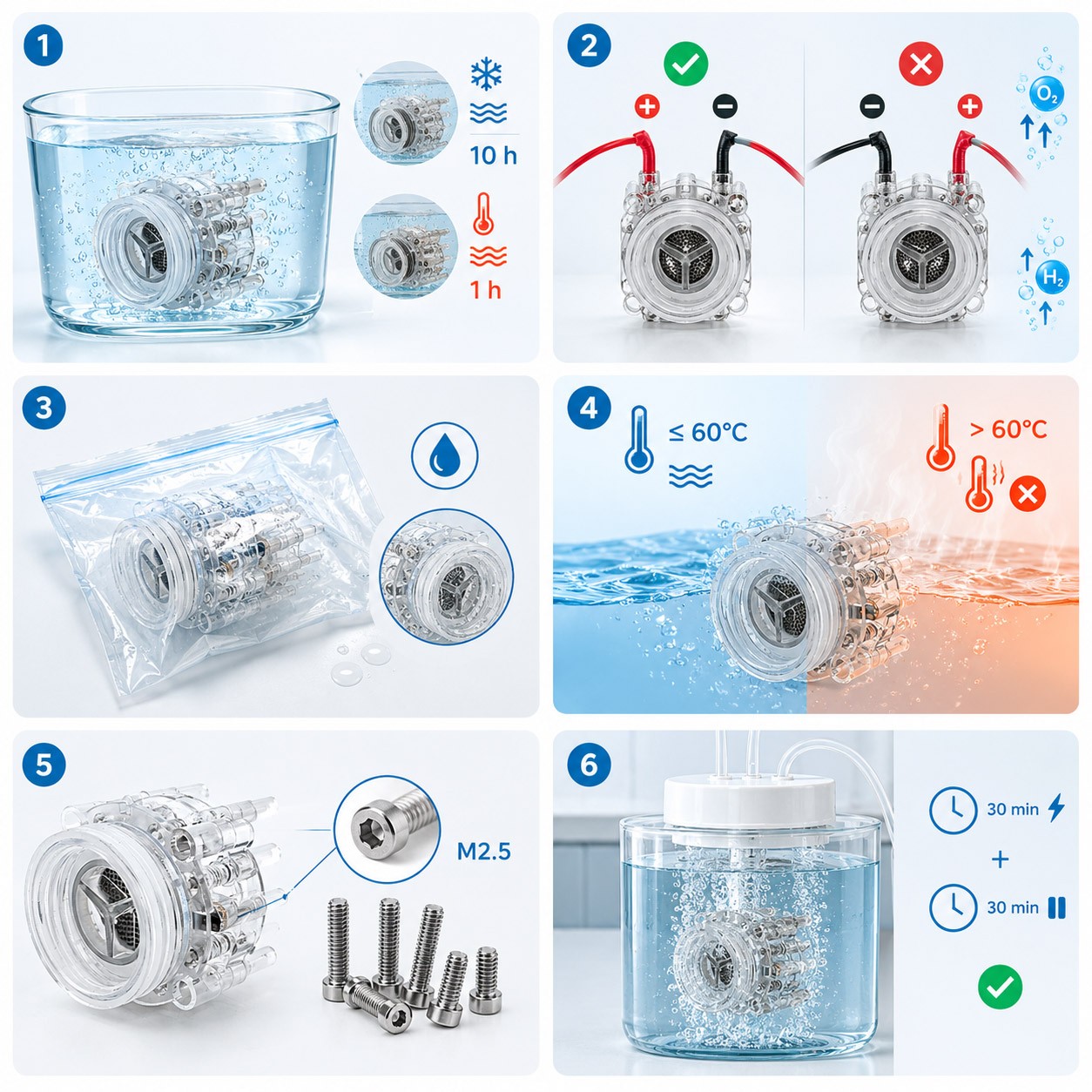
Six points that decide whether the module performs to spec in the field.
Polarity matters. Wire the module backwards and output collapses — you will see a very small gas volume with oxygen appearing on the hydrogen side. Polarity is marked on the module body.
Keep it wet. Store the module damp when it is not in use. A membrane left to dry out is damaged and its performance drops permanently.
Water temperature ≤ 60 °C. Above 60 °C the module is damaged, and any hydrogen produced escapes from the water very quickly.
Fastening. M2.5 screws. Specify titanium screws for better corrosion resistance — length to your drawing.
Leak check before you commit. Close the bottle cap, run 30 minutes of continuous electrolysis, then rest 30 minutes. No leakage is acceptable.
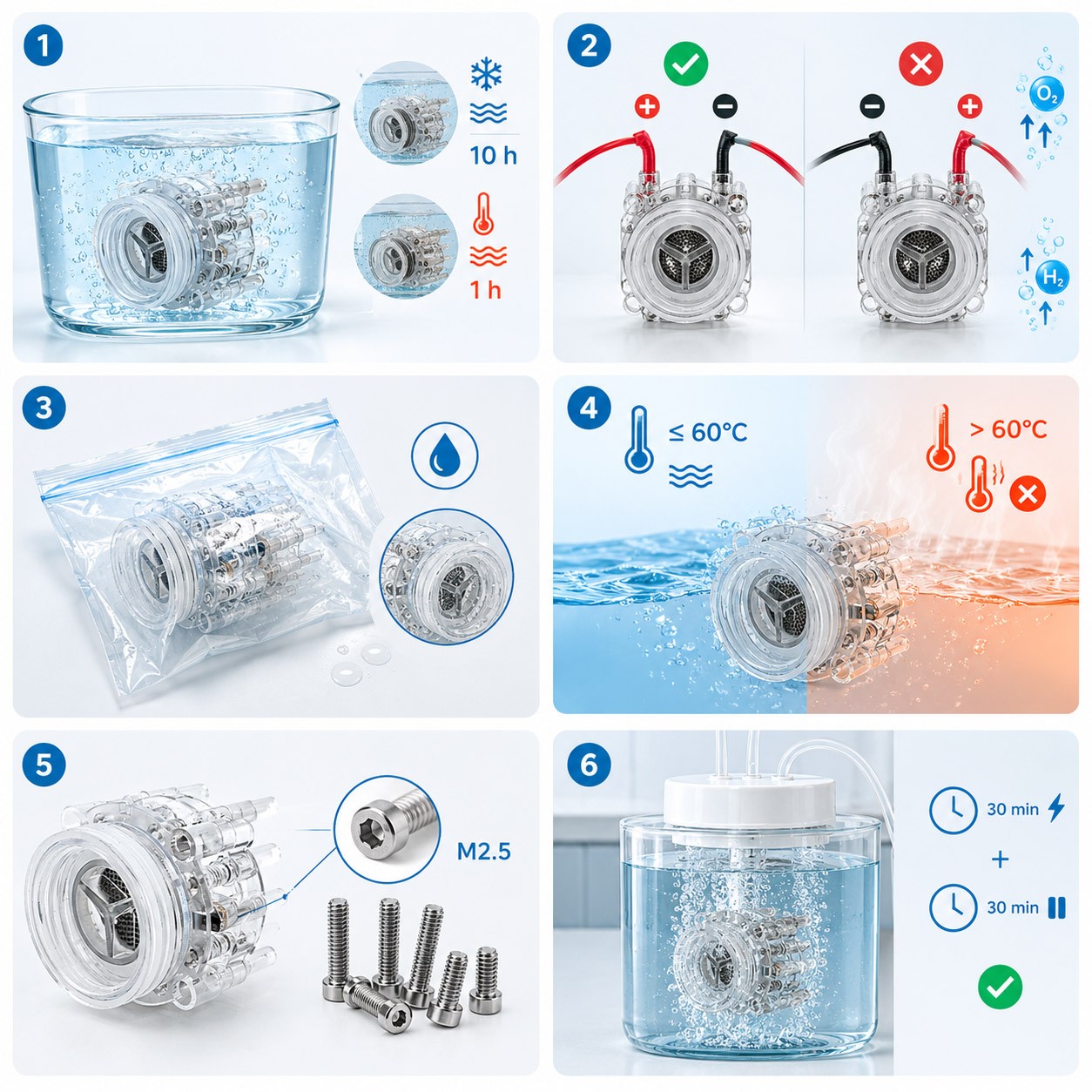
This module goes inside somebody's drinking-water product. Each batch is tested in-house, not sampled at random.
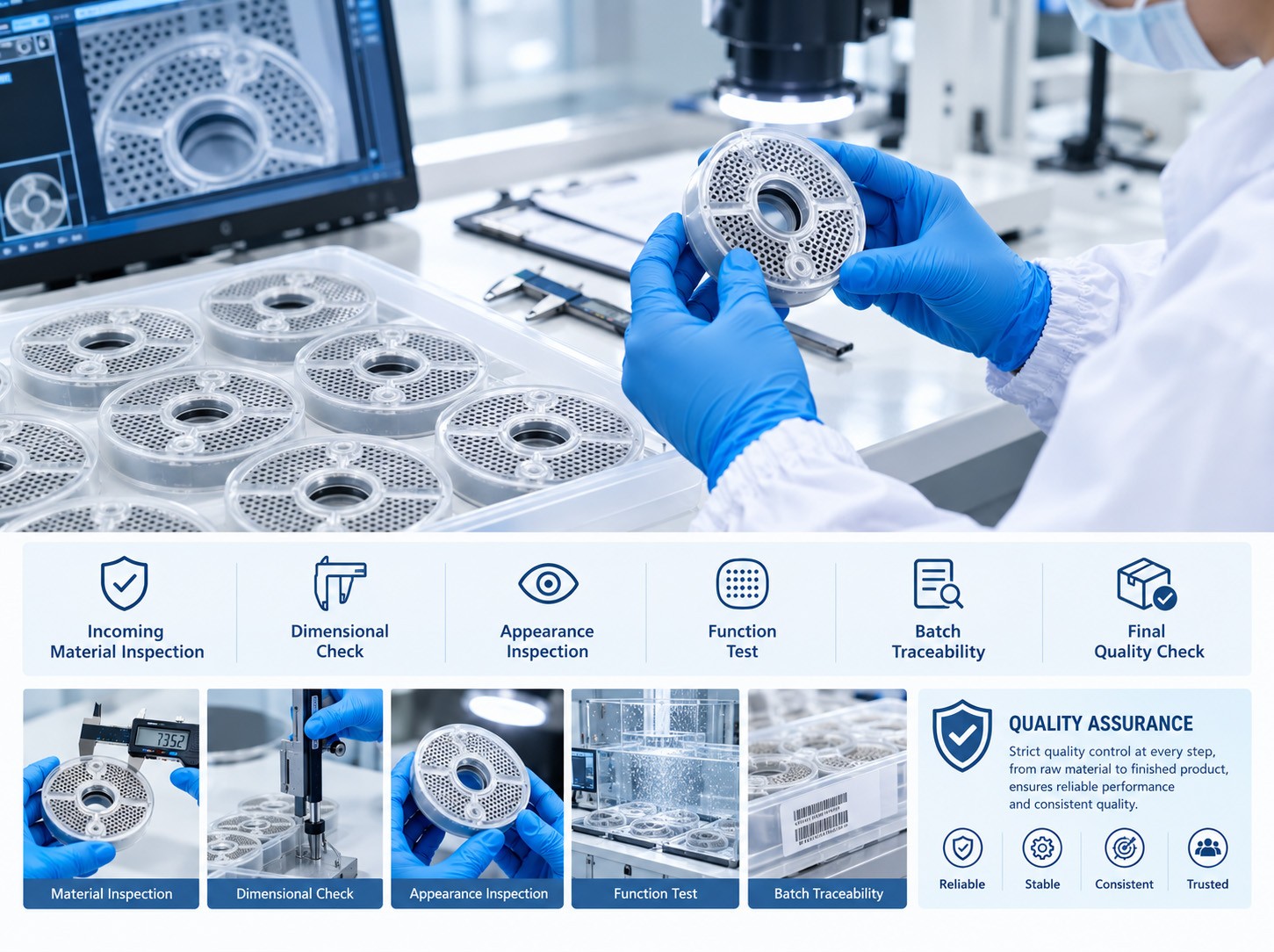
Material Test Certificate
Certificate of Compliance (CoC)
Electrode accelerated life test report
Batch traceability record
Certifications: ISO 9001:2015, RoHS, SGS. CE available on request for finished appliance projects.
1. Accelerated life test — coating life verified to ≥ 30 hours per T/GDIDA 002—2023, Annex C
2. Working current test — constant current 1 A, voltage confirmed below 3.5 V
3. Working temperature test — RO water, 10 minutes of electrolysis, water temperature must stay below 45 °C
4. Pressure / leak test — 30 minutes continuous electrolysis with the cap on, then 30 minutes at rest, no leakage permitted
5. Appearance & dimensional check — electrode spacing, terminals and housing inspected before packing
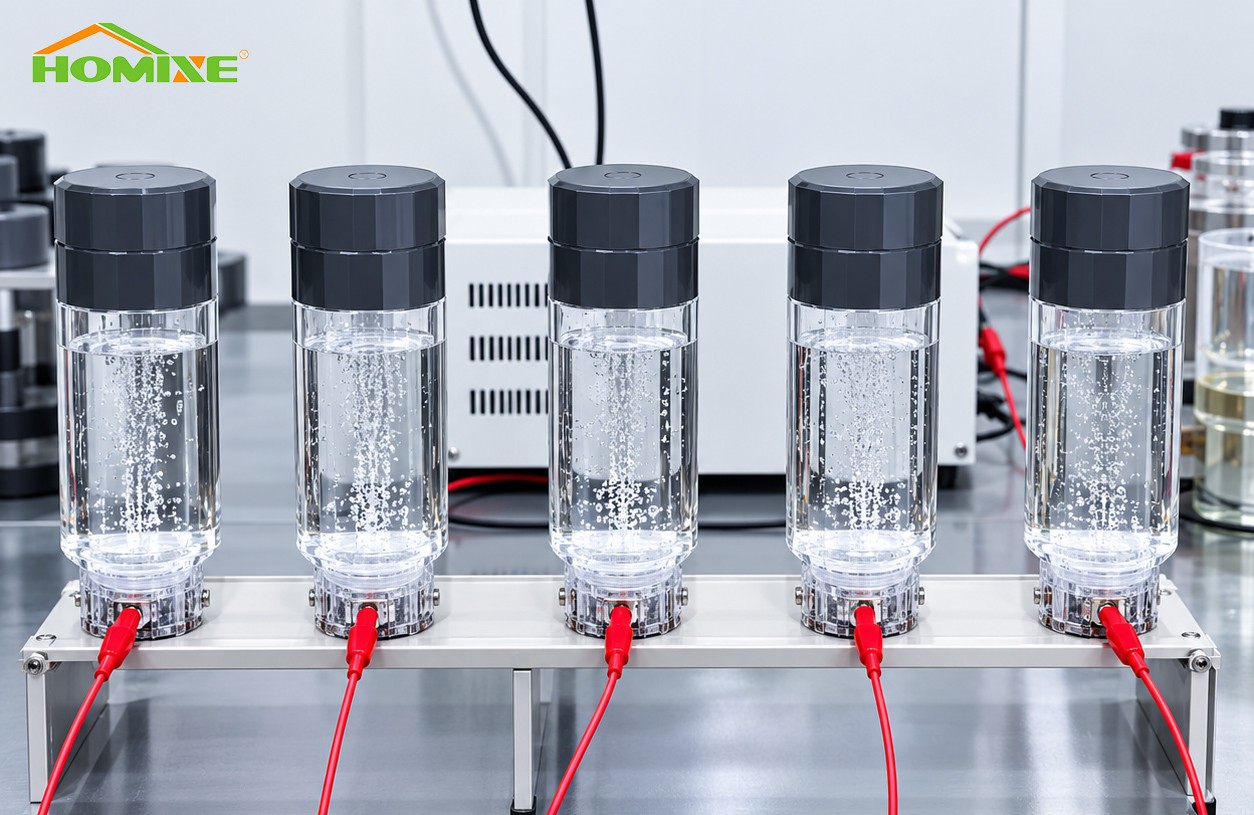
Tested parameters, not catalogue estimates. Every batch is verified in-house before it ships.
| Parameter | Specification |
| Model | HM-HONS8258 |
| Electrolysis Type | Hydrogen-oxygen separation |
| Membrane | Ion membrane or MEA — two configurations |
| Hydrogen Output | Ion membrane ≥ 2,000 PPB · MEA ≥ 4,500 PPB |
| Electrode Coating | Platinum (Pt) on titanium |
| Electrode Accelerated Life | ≥ 30 hours per T/GDIDA 002—2023, Annex C |
| Recommended Working Current | 0.8 – 1.0 A |
| Recommended Working Voltage | ≤ 2.5 – 3.5 V |
| Water Pressure Range | ≤ 0.5 MPa |
| Working Water Temperature | ≤ 60 °C · after 10 min of electrolysis the water stays below 45 °C |
| Water Quality | RO water, TDS < 10 ppm, or purified water |
| Diameter / Net Weight | Ø 43 mm / 33 g |
| Shipping Weight | 150 g per unit (carton pack) |
| Packing | Standard export packing, carton — packing material not returnable |
| Certificate | ISO 9001:2015, RoHS, SGS |
| Sample / Lead Time | 1–10 pcs / 7–15 days after deposit |
No — and we make both, so we will tell you honestly. If your bottle is slim, your volume is high and unit cost is the deciding factor, the hydrogen-oxygen non-separation module (HM-HONS8428) gets you a working product for less: no membrane, no exhaust tube, only 12 g and 12.5 mm thick. The trade-off is a lower achievable hydrogen concentration and a mixed gas entering the water.
| Key difference | HM-HONS8258 — Separation | HM-HONS8428 — Non-Separation |
| Hydrogen output | ≥ 2,000 PPB (ion membrane) / ≥ 4,500 PPB (MEA) | 1200-1500ppb |
| Membrane | Ion membrane or MEA | None |
| Ports | 3 — incl. oxygen exhaust | None |
| Net weight | 33 g | 12 g |
| Thickness | Ø 43 mm module body | 12.5 mm flat disc |
| Best for | Premium bottles, high-PPB claims, countertop machines | Slim bottles, entry-level and high-volume programmes |
A factory-direct manufacturer of hydrogen-rich water electrolysis modules — built to your bottle, your PPB target and your duty cycle.
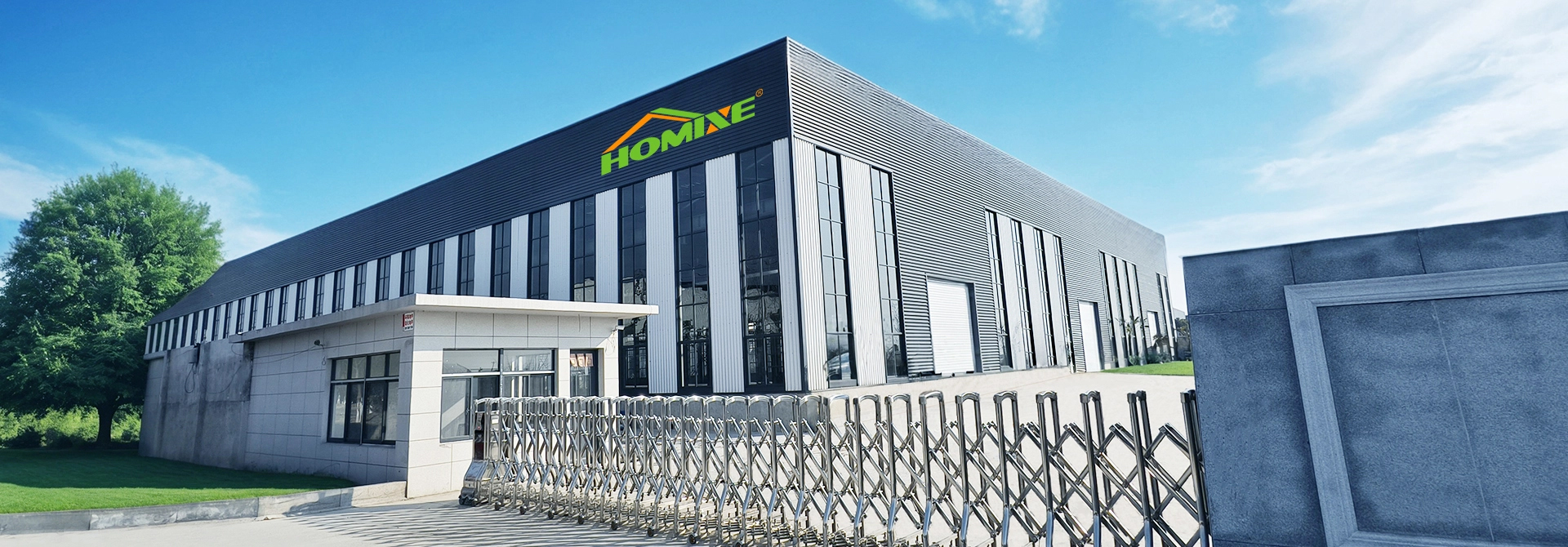
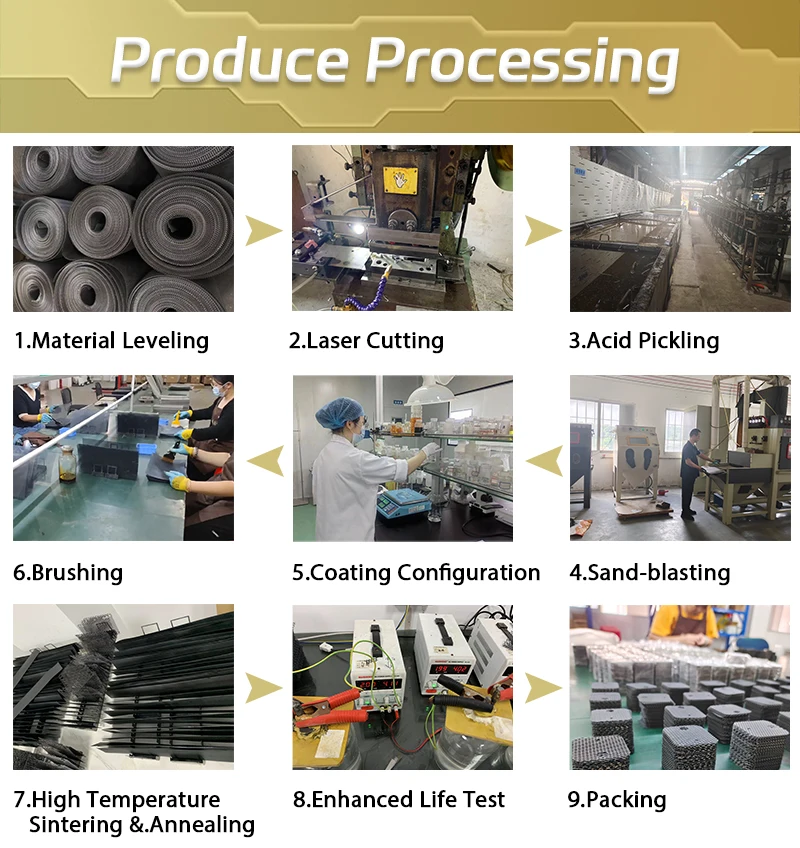
A hydrogen module's performance is decided by one part: the electrode inside it. Many module suppliers buy that electrode in. We make it. Since 2013, HOMIXE has coated platinized and MMO titanium electrodes in our own Foshan workshop — then built them into finished modules, so coating thickness, electrode spacing and gas output stay under one roof instead of across three suppliers. Ion membrane, MEA and non-separation configurations are all made on the same line. Every batch is life-tested and leak-tested before packing, with records traceable from a 1–10 piece sample through to OEM production.


 EN