Please fill out the form below to request a quote or to request more information about us. please be as detailed as possible in your message, and we will get back to you as soon as possible with a response. we're ready to start working on your new project, contact us now to get started.
Professional Titanium Anode Manufacturer & Hydrogen Water Electrolysis Solutions Supplier.  +86 13726337448
  catarey@homixe.com

Titanium Electrodes For Electrolysis: How To Test For Wear And Tear Between Replacements
2026-08-03
HOMIXE
37
In the ever-evolving fields of electrochemistry and materials science, the quest for efficiency and durability in electrolysis processes is paramount. As industries drive towards greener technologies, the choice of materials for electrodes emerges as a critical factor. Among these, titanium electrodes stand out due to their remarkable resistance to corrosion and excellent conductivity. However, as with any advanced technology, wear and tear can compromise performance over time, leading to the pressing need for proper assessment and monitoring. In our latest article, “Titanium Electrodes for Electrolysis: How to Test for Wear and Tear Between Replacements,” we delve into effective methodologies for evaluating the longevity of titanium electrodes. Discover the best practices for testing and maintenance, ensuring your electrolysis systems operate at peak efficiency. Join us as we explore the nuances of electrode longevity and how these insights can enhance your industrial applications!
Understanding the Importance of Titanium Electrodes
Titanium electrodes are commonly used in electrolysis because of their unique properties. They possess excellent corrosion resistance, exceptional strength, and are lightweight, making them ideal for various applications. When subjected to electrical currents, titanium electrodes provide superior stability compared to other materials, which can degrade over time. Given their significant role, monitoring the condition of these electrodes is crucial for consistent performance and extended service life.
HOMIXE offers a range of high-quality titanium electrodes that cater to different electrolysis needs. However, even the best products require regular checks to ensure they remain effective. When electrodes begin to wear down, they can negatively impact the entire electrolysis process, leading to inefficiencies and increased operational costs.
Signs of Wear and Tear in Titanium Electrodes
To determine when it's time to replace your titanium electrodes, it's essential to recognize the signs of wear and tear. Here are some indicators that may suggest deterioration:
Discoloration: Titanium electrodes may change color due to oxidation or buildup of byproducts, which can impact their performance. A significant color change can indicate deterioration.
Surface Roughness: A smooth surface is ideal for electrolysis efficiency. If the electrode surface begins to feel rough or exhibits pitting, this could indicate wear.
Reduced Performance: If there’s a noticeable decrease in the electrolytic process’s efficiency, it might be time to inspect the electrodes.
Increased Energy Consumption: A rise in energy usage for a similar output signals that the electrodes may not be operating optimally anymore.
Physical Damage: Inspecting the electrodes for noticeable chips or cracks is crucial. Any physical damage could severely reduce their life expectancy.
Methods for Testing Titanium Electrodes
Evaluating the condition of titanium electrodes involves several methods. Here are effective ways to test for wear:
1. Visual Inspection
Regular visual inspections are the first step in monitoring electrode health. Look for discoloration, pitting, or surface roughness. A thorough inspection can often reveal wear before it leads to significant issues.
2. Electrical Resistance Testing
Measuring the electrical resistance of the electrodes can provide insights into their condition. Increased resistance can indicate oxidation or buildup that affects performance. Use a multimeter to measure resistance values and compare them to the manufacturer's specifications.
3. Weight Measurement
Another effective method is weighing the electrodes before and after use. A noticeable loss in weight may indicate corrosion or material wastage, which signifies wear. While this method may not be possible in all setups, it’s useful in controlled environments.
4. Performance Benchmarking
Comparing the current output and efficiency levels with past performance data can help spot irregularities. If the output drops significantly, this could be linked to electrode wear.
5. Chemical Analysis
For more advanced testing, a chemical analysis of the electrode surface can be conducted. This method helps identify specific degradation products and can provide detailed insights into the wear mechanisms at play.
Replacing Titanium Electrodes: Best Practices
Once you've determined that your titanium electrodes require replacement, it’s crucial to do so following best practices. HOMIXE recommends the following steps:
Source Quality Replacements: Always choose high-performance titanium electrodes like those offered by HOMIXE to ensure continuity in quality and performance.
Follow Manufacturer's Instructions: Adhere to guidance provided for installation and usage to maximize the lifespan of new electrodes.
Regular Maintenance: Implement a routine maintenance schedule that includes regular inspections and performance testing to catch potential issues early.
Documentation: Keep detailed records of inspections and performance tests to track wear over time and aid in predicting future replacements.
Educate Personnel: Ensure that anyone handling the electrolysis system is well-informed about the signs of wear and the importance of electrode maintenance.
Conclusion
In conclusion, understanding the wear and tear of titanium electrodes in electrolysis processes is crucial for maximizing efficiency and ensuring optimal performance. With a decade of experience in the industry, we’ve seen firsthand how diligent testing and monitoring can extend the lifespan of these vital components. By implementing the techniques we’ve shared, you can not only prevent unexpected downtimes but also enhance the overall efficacy of your electrolysis systems. As we continue to innovate and adapt to the evolving landscape of electrolysis technology, we remain committed to providing our clients with the insights and solutions they need to achieve their operational goals. Trust in our expertise and let us help you navigate the path toward more sustainable and cost-effective electrolysis processes.
Table of Contents
GET IN TOUCH WITH Us
recommended articles
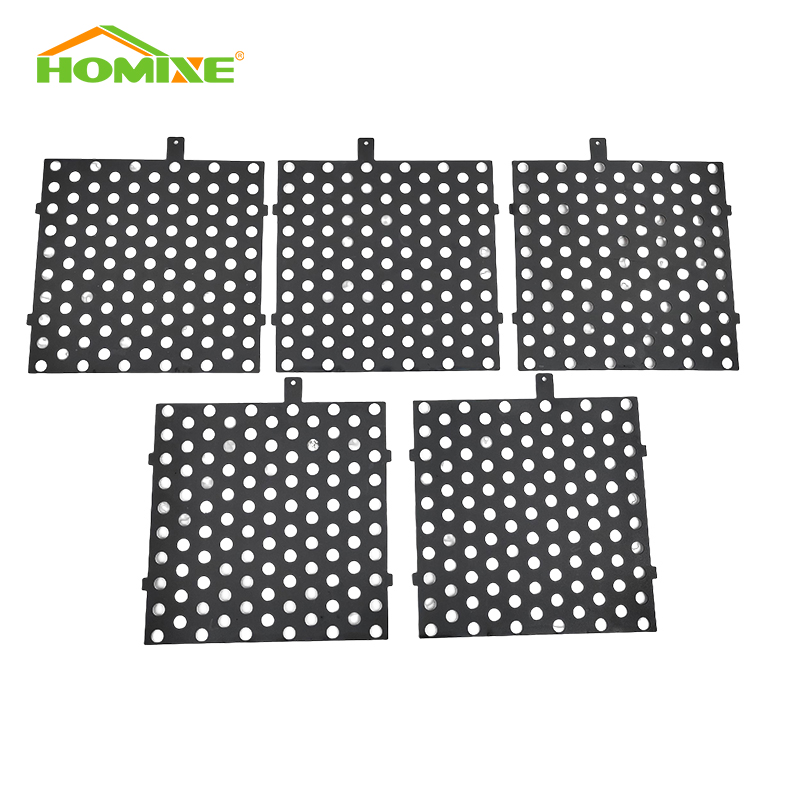
In today’s industrial electrochemical field, the stability and efficiency of electrode performance are crucial for smooth production processes and ensuring product quality. However, the industry faces numerous pain points: unstable electrode performance, short lifespans, lack of customization support for special process requirements, difficulties in small-batch order production, fragmented supply chains leading to low procurement efficiency, and high technical barriers in emerging fields. These issues significantly hinder industry development.
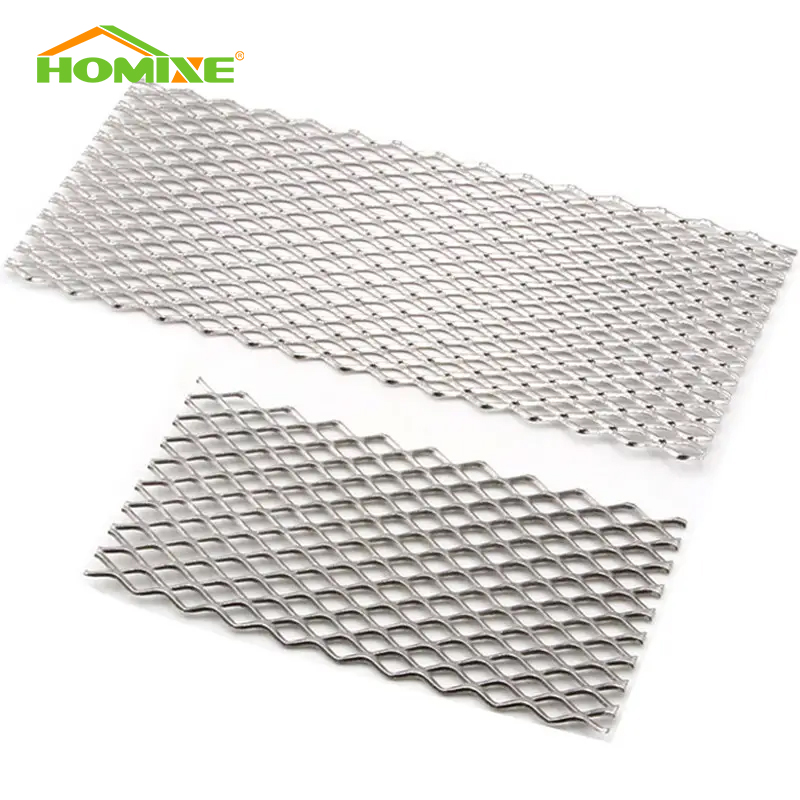
Electroplating is a cornerstone process for countless industries, enabling the application of durable, decorative, and functional metallic coatings onto diverse substrates. At the heart of every efficient electroplating operation lies a critical component: the anode. While various anode materials exist, Platinum-coated Titanium (Pt/Ti) anodes have emerged as the gold standard for demanding applications, offering unparalleled performance and reliability that directly impacts a plating shop's bottom line and product quality.
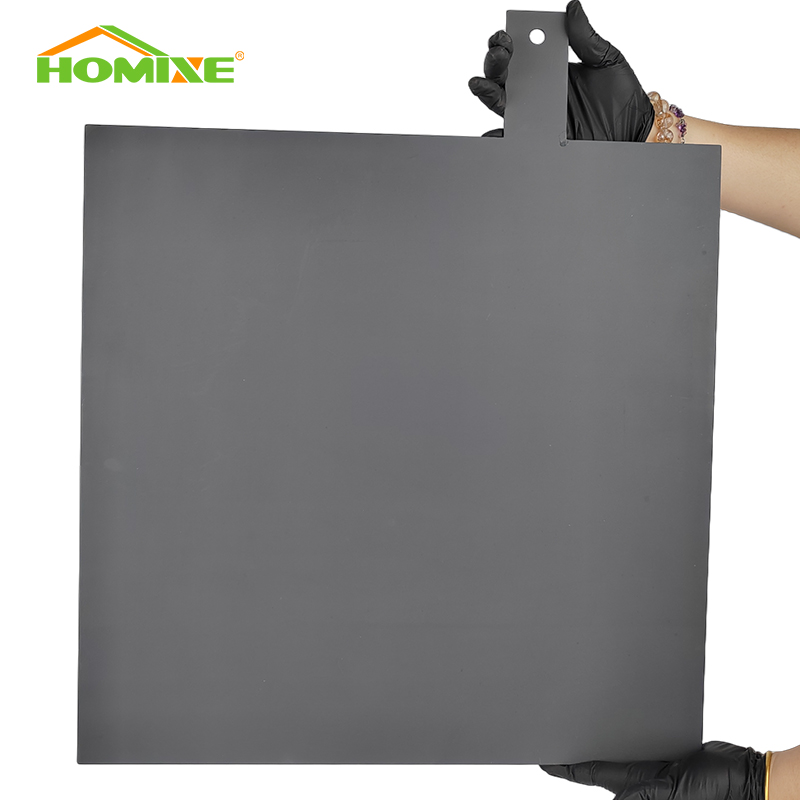
FOSHAN XINJINTAI TECHNOLOGY CO., LTD. (Brand HOMlXE) is a leading manufacturer specializing in advanced Titanium Anodes designed for electrolytic copper foil production. Our titanium anodes are crafted from high-purity titanium material and coated with premium precious metals like Ruthenium-Iridium or Iridium-Tantalum. These coatings are not only uniform but also provide exceptional corrosion resistance and high-temperature stability, ensuring a reliable and efficient electrolysis process.
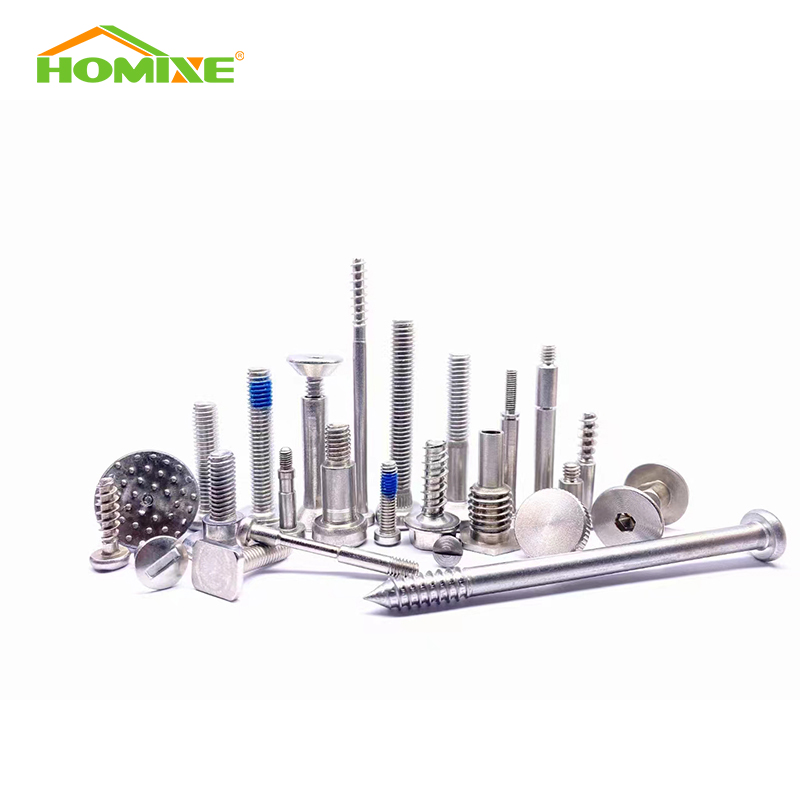
Titanium fasteners are valued for their superior strength, lightweight properties, and exceptional resistance to corrosion, making them ideal for a variety of demanding applications.
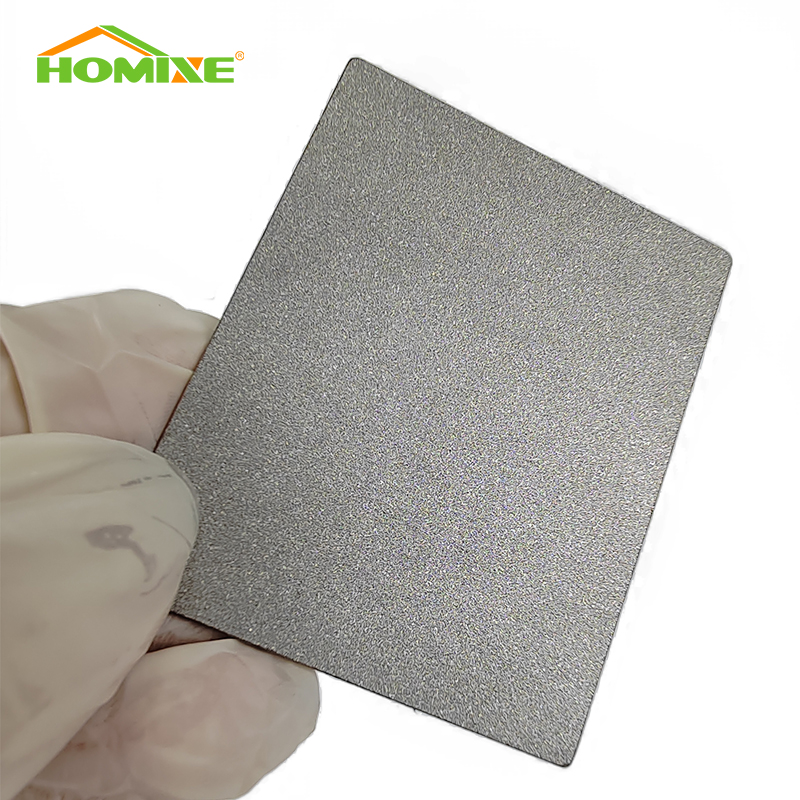
Porous titanium sheets are known for their exceptional properties, making them an ideal material for applications that demand high corrosion resistance and excellent electrical conductivity.
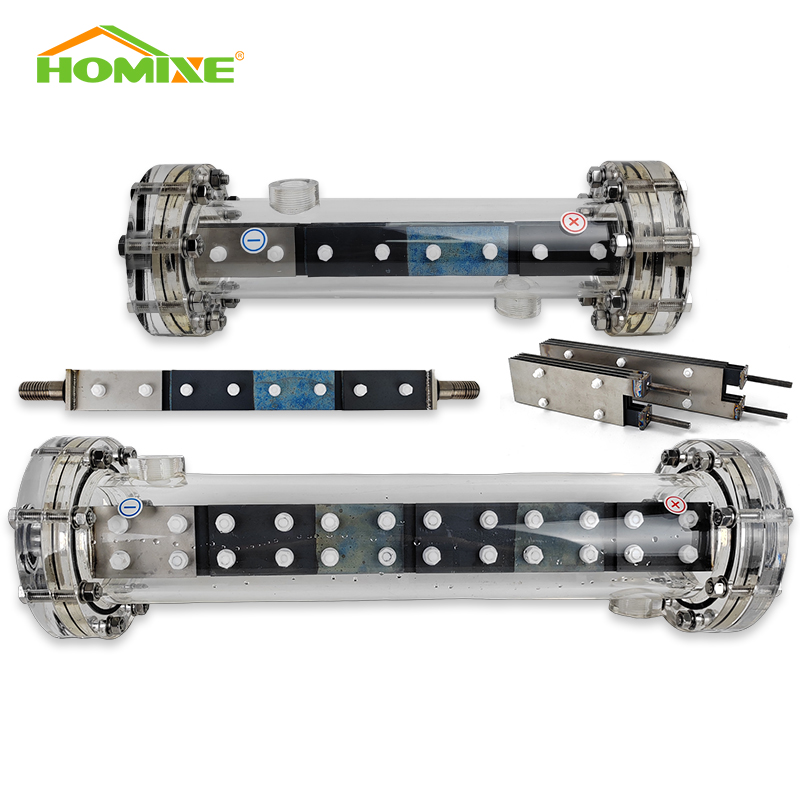
Sodium hypochlorite generators have extensive applications in environmental protection and water treatment. Their efficient and stable disinfection capabilities make them the preferred equipment in many industries. However, the technical level and product quality vary significantly among manufacturers in the market, making the selection of a suitable sodium hypochlorite generator a key concern for users.
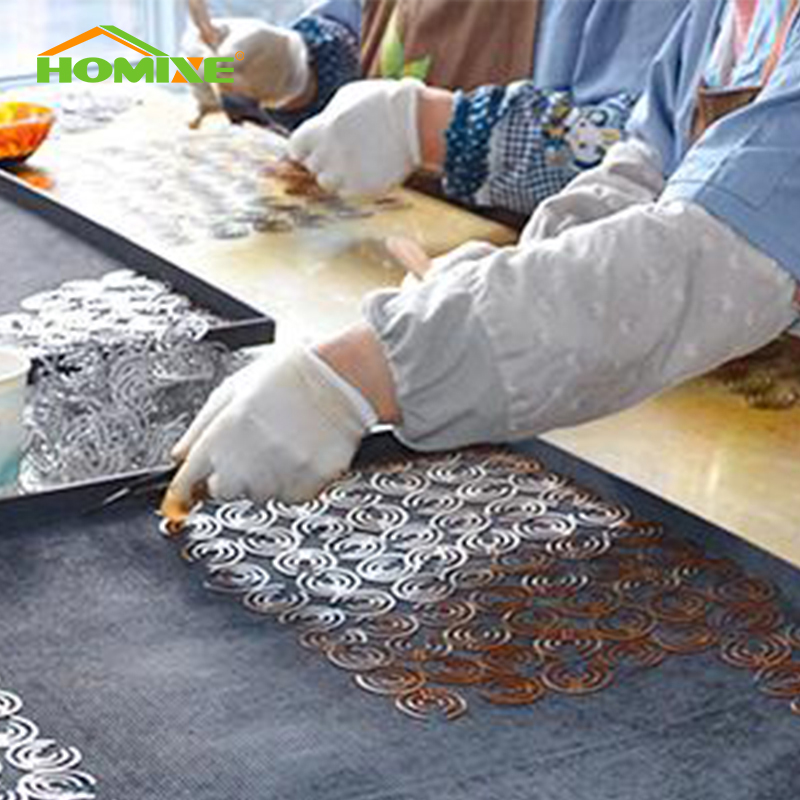
Titanium anodes, specifically mixed metal oxide (MMO) anodes, are widely used in industries like electroplating, water treatment, and corrosion prevention due to their high performance, durability, and resistance to degradation. These anodes are designed to increase the efficiency of electrochemical processes while maintaining stability over long periods of use. The process of manufacturing and handling MMO titanium anodes involves several critical steps to ensure optimal performance. Here's a comprehensive guide on how MMO titanium anodes are processed.
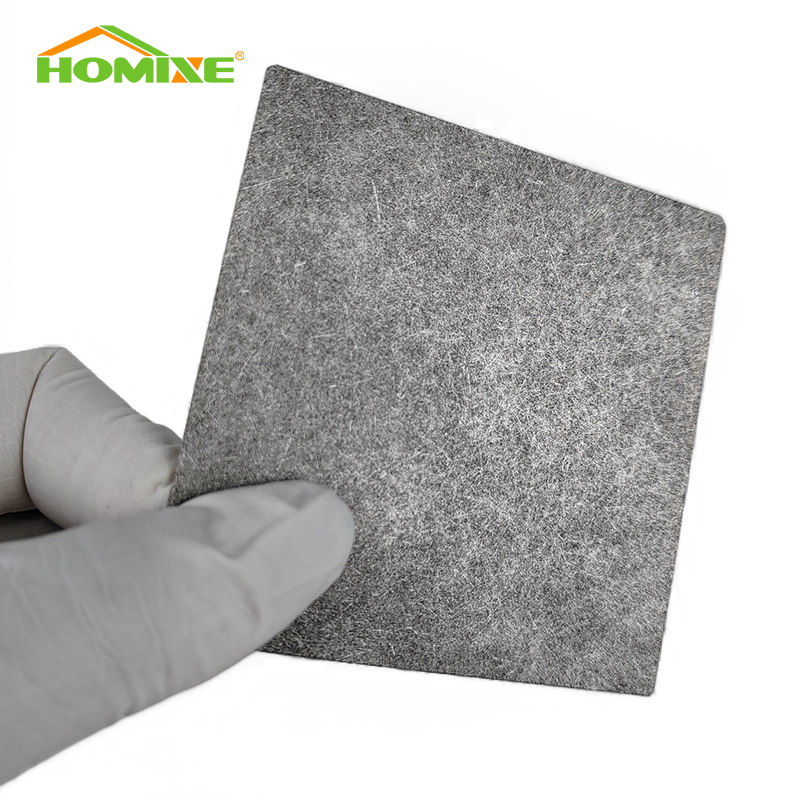
Titanium fiber felt is gaining increasing attention as an essential material in proton exchange membrane (PEM) and alkaline exchange membrane (AEM) electrolysis stacks, as well as in fuel cells. Its unique properties make it an ideal choice for use in catalyst layers and gas diffusion layers (GDL), particularly in applications requiring high electrochemical performance, durability, and efficiency. Below, we will explore the critical role of titanium fiber felt in these systems and its benefits for hydrogen production and fuel cell applications.
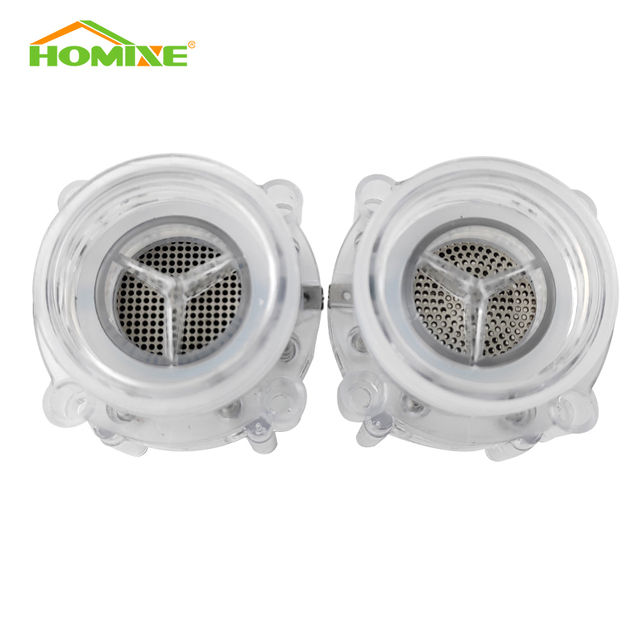
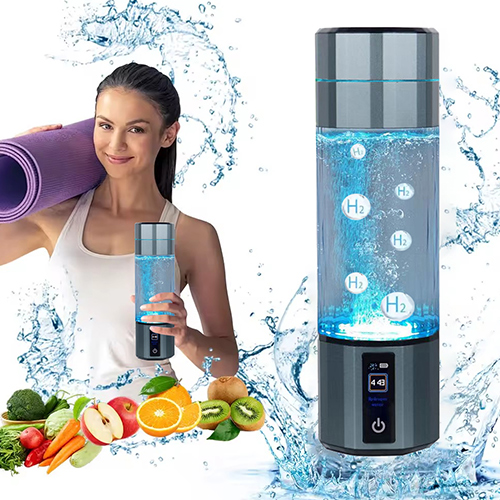
In today’s fast-paced world, health and wellness are at the forefront of everyone’s mind. One of the latest trends in improving health is hydrogen-rich water, which is praised for its potential to boost energy, reduce inflammation, and promote overall well-being. At Foshan Hometi New Material Co., Ltd., we are proud to introduce our Innovative Portable Active Pure Water Hydrogen Generator, a breakthrough product designed to provide high-quality hydrogen-rich water in the most convenient way possible.
HOMIXE - As Professional titanium anode manufacturer Electrolytic water technology product solution provider ,We have own R& D team and 10years experience in Titanium anode .
Products
Contact Us
Contact: MS.Catarey
Phone: +86-13726337448
Email: catarey@homixe.com
WhatsApp: +86-13726337448
Address: 2/F Plant, Liansha Central Road North 26, Danzao Town, Nanhai Distribution, Foshan China.