Please fill out the form below to request a quote or to request more information about us. please be as detailed as possible in your message, and we will get back to you as soon as possible with a response. we're ready to start working on your new project, contact us now to get started.
Professional Titanium Anode Manufacturer & Hydrogen Water Electrolysis Solutions Supplier.  +86 13726337448
  catarey@homixe.com

Sodium Hypochlorite Generator Safety Protocols Every Operator Should Follow In 2026
2026-08-04
HOMIXE
14
As the demand for high-purity sodium hypochlorite continues to rise across various industries, the importance of adhering to stringent safety protocols cannot be overstated. With 2026 just around the corner, operators of sodium hypochlorite generators must be equipped with the latest safety measures to ensure the well-being of their teams and the integrity of their operations. In our meticulously crafted article, “Sodium Hypochlorite Generator Safety Protocols Every Operator Should Follow in 2026,” we delve into essential safety guidelines, best practices, and innovative strategies that every operator should implement. Whether you’re a seasoned professional or new to the field, understanding these protocols is vital for mitigating risks and enhancing operational efficiency. Join us as we explore how to navigate the complexities of sodium hypochlorite generation safely and securely, setting the standard for workplace safety in the years to come. Don’t miss out—your safety and success depend on it!
Understanding Sodium Hypochlorite Hazards
Sodium hypochlorite is a widely used disinfectant and bleaching agent, but it can pose significant risks if not handled correctly. It is corrosive and can cause skin and eye irritation upon contact. Moreover, when mixed with other substances, particularly acids, it can produce harmful gases, including chlorine gas, which is toxic. Operators must be aware of these hazards and take appropriate measures to minimize risks. HOMIXE stresses the importance of training programs that educate operators on the proper handling techniques and potential hazards associated with sodium hypochlorite generators.
Personal Protective Equipment (PPE)
Proper personal protective equipment (PPE) is a fundamental component of safety protocols when operating sodium hypochlorite generators. Operators should undergo training on the appropriate use and maintenance of PPE, which typically includes:
Chemical-resistant gloves to prevent skin contact with sodium hypochlorite.
Safety goggles or face shields to protect the eyes from splashes and vapors.
Respirators should be worn in case of the release of chlorine gas or other harmful fumes.
Protective clothing such as aprons and boots to guard against spills.
At HOMIXE, we advocate for the regular inspection of PPE and emphasize that operators should always wear the correct gear before starting their tasks.
Safe Operating Procedures
Adopting safe operating procedures is vital for minimizing incidents and ensuring efficient use of sodium hypochlorite generators. Here are essential steps operators should follow:
Pre-Start Checks: Before operation, conduct a thorough inspection of the generator for any signs of wear or potential leaks. Ensure that all safety devices and alarms are functional.
Ventilation: Ensure proper ventilation in the operating area to dissipate any fumes that may escape from the generator.
Proper Mixing: Only use sodium hypochlorite solutions as recommended by the manufacturer. Avoid mixing with acids or any incompatible substances unless specified.
Emergency Protocols: Operators should familiarize themselves with emergency procedures, including how to respond in the event of a spill or a gas leak. Posting emergency contact information in a visible location is critical.
Training and Communication: Regular safety training sessions should be conducted to keep staff informed about safe operating procedures and new safety protocols. Effective communication among operators is essential to ensure that safety measures are adhered to collectively.
Regular Maintenance and Inspections
Regular maintenance and inspections of sodium hypochlorite generators are critical to ensure they operate safely and efficiently. HOMIXE recommends the following maintenance practices:
Routine Inspections: Scheduled inspections should identify potential issues before they escalate. Check for leaks, corrosion, and any unusual sounds during operation.
Cleaning Procedures: Implement routine cleaning to prevent buildup and corrosion that could compromise safety. Ensure cleaning agents are compatible with sodium hypochlorite and follow manufacturer guidelines.
Documentation: Keep detailed records of maintenance activities, inspections, and any incidents. This documentation will help inform future protocols and training.
Emergency Response Plans
In the event of an incident involving sodium hypochlorite, having a robust emergency response plan is paramount. Operators should be familiar with the plan and conduct regular drills to ensure readiness. Critical components of an emergency response plan include:
Immediate Evacuation Procedures: Know the exit routes and communicate them effectively to all personnel on-site.
Effective Communication: Establish a communication chain for reporting incidents, including how and who to alert in the event of a chemical emergency.
First-Aid Measures: Equip the work area with first-aid kits and ensure operators know how to respond to chemical exposure, including rinsing affected areas and seeking medical attention.
Incident Reporting: After any incident, documentation and review of the event are essential for improving future safety procedures. Conduct a thorough investigation to prevent similar occurrences.
Conclusion
In conclusion, as we navigate the landscape of sodium hypochlorite generation in 2026, it is imperative that operators adhere to rigorous safety protocols to protect themselves and the environment. With a decade of industry experience under our belt, we understand that the successful operation of these generators hinges not only on technical proficiency but also on a steadfast commitment to safety and best practices. By fostering a culture of vigilance, ongoing training, and proactive maintenance, we can ensure a safe working environment that aligns with regulatory standards while enhancing operational efficiency. Remember, safety is not just a guideline—it's a core value that underpins the success of our operations. As we look forward to the next decade, let us prioritize safety at every step and continue to set industry benchmarks that others aspire to follow. Your diligence today will pave the way for a safer, more efficient tomorrow.
Table of Contents
GET IN TOUCH WITH Us
recommended articles
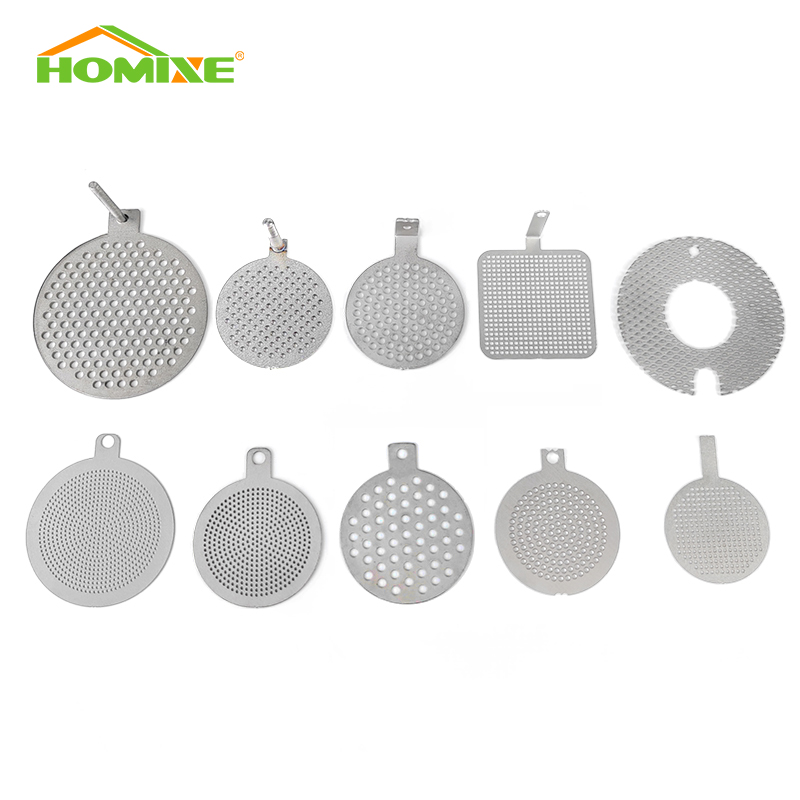
A platinum anode is an electrode made from platinum that is used in electrochemical cells, particularly in processes involving the oxidation of substances. The anode is the electrode where oxidation reactions occur during electrolysis or other electrochemical reactions.
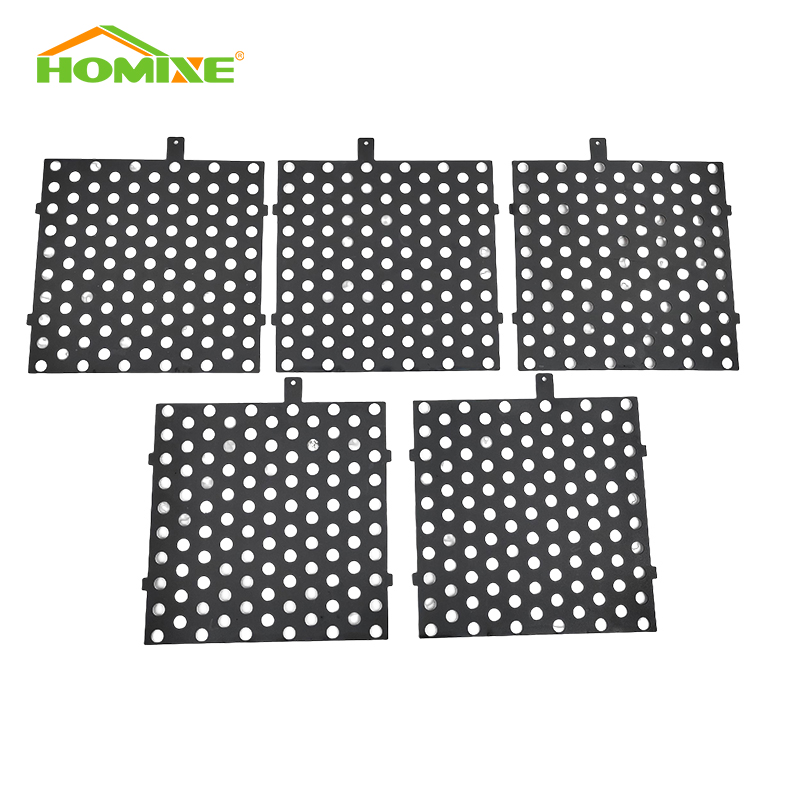
In today’s industrial electrochemical field, the stability and efficiency of electrode performance are crucial for smooth production processes and ensuring product quality. However, the industry faces numerous pain points: unstable electrode performance, short lifespans, lack of customization support for special process requirements, difficulties in small-batch order production, fragmented supply chains leading to low procurement efficiency, and high technical barriers in emerging fields. These issues significantly hinder industry development.
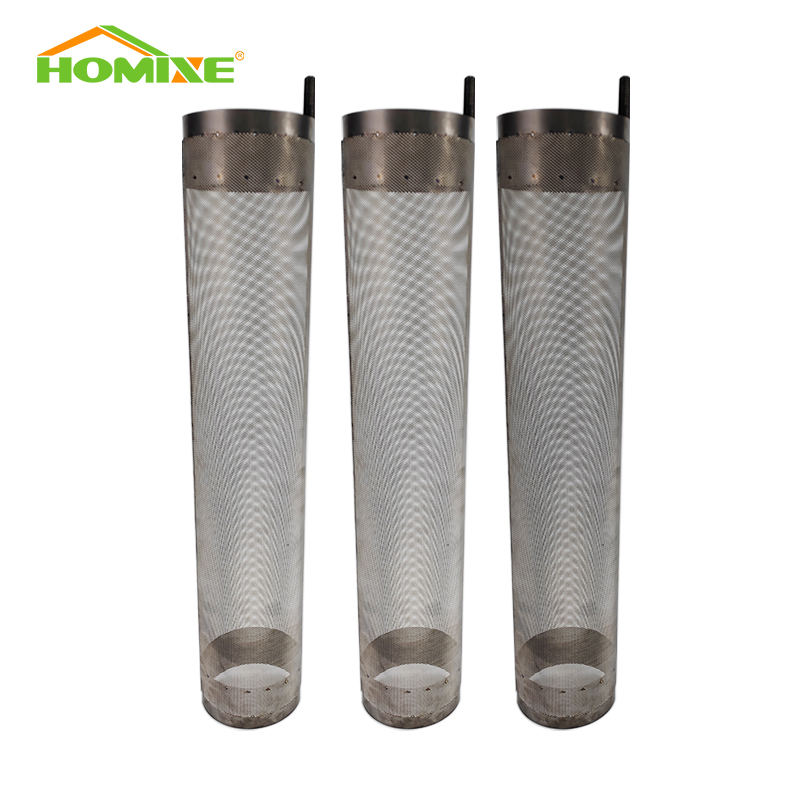
Introduces HOMIXE's independently developed Titanium Anode Baskets and Anode Hooks, designed to enhance performance in electrochemical processes. Our products feature excellent corrosion resistance and stability, making them suitable for various applications, including electroplating, water treatment, and electrolysis. HOMIXE also offers customization services to meet specific customer needs, ensuring that each anode basket and hook is optimized for performance. With efficient current distribution and long-lasting durability, these products provide exceptional value for enhancing production processes. For more information and customization options, please contact us.
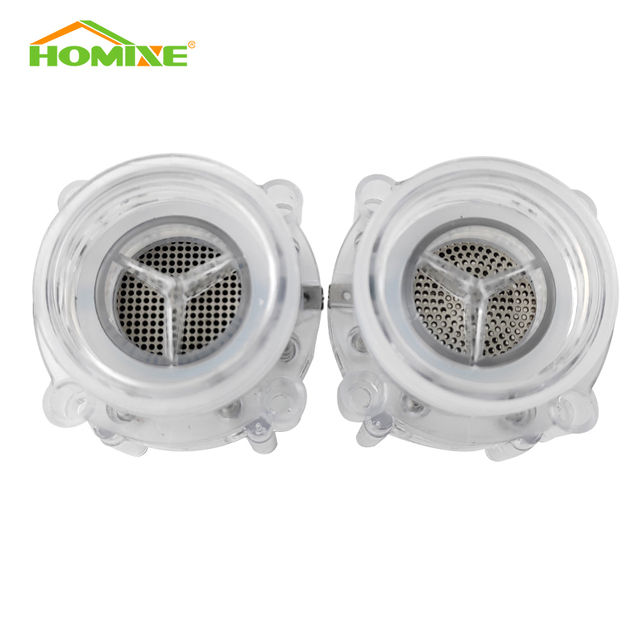
In today’s fast-paced world, health and wellness are at the forefront of everyone’s mind. One of the latest trends in improving health is hydrogen-rich water, which is praised for its potential to boost energy, reduce inflammation, and promote overall well-being. At Foshan Hometi New Material Co., Ltd., we are proud to introduce our Innovative Portable Active Pure Water Hydrogen Generator, a breakthrough product designed to provide high-quality hydrogen-rich water in the most convenient way possible.
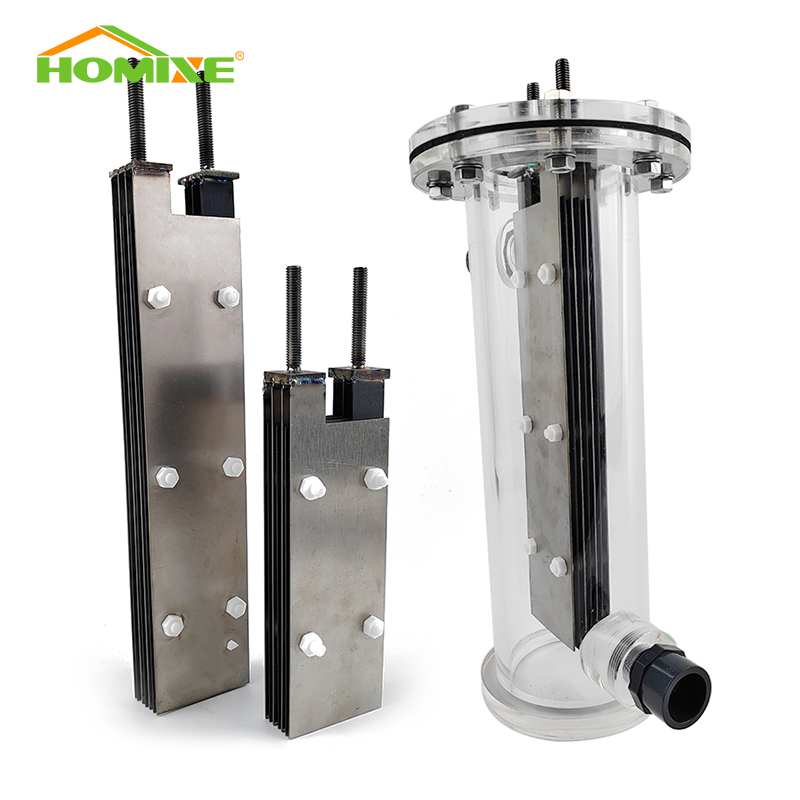
As industries strive for improved efficiency and sustainability, the role of materials in electrochemical processes has become increasingly important. Among these, titanium anodes are emerging as a preferred choice due to their unique properties. Known for their exceptional corrosion resistance, lightweight nature, and high electrical conductivity, titanium anodes offer significant advantages in applications such as water treatment, electrolysis, and electroplating. This article delves into the benefits of titanium anodes and their versatility in various industries, highlighting why they are poised to play a critical role in the future of electrochemical technologies.
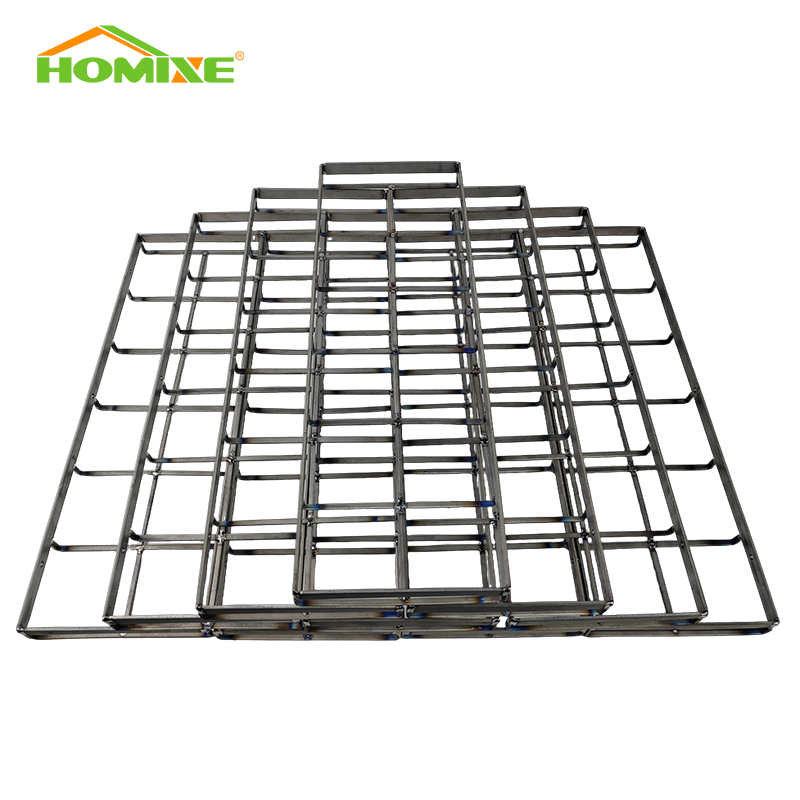
In the world of electrochemistry, efficiency and durability are paramount. This is where titanium anode baskets play a crucial role. These specialized baskets are designed to house titanium anodes, offering superior corrosion resistance and strength in harsh chemical environments. Titanium is a metal known for its ability to withstand corrosion, making it ideal for use in electroplating, water treatment, and various other electrochemical processes.
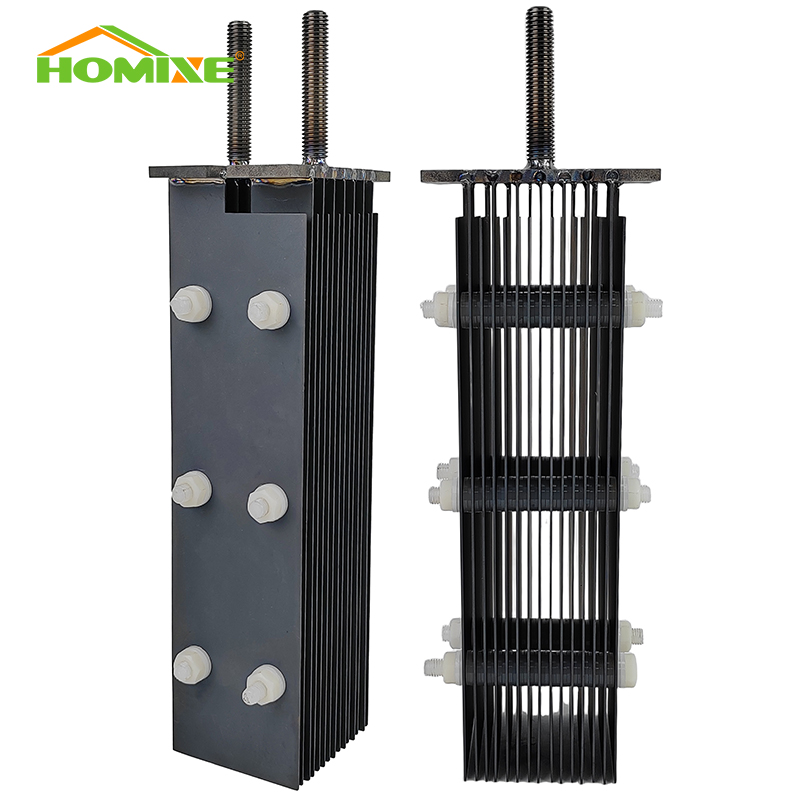
Our independently developed sodium hypochlorite generator revolutionizes tap water treatment and disinfection processes. Engineered with cutting-edge titanium electrode electrolytic cells and adjustable-concentration technology, this system guarantees optimal water quality and sterilization efficiency for municipal water treatment, healthcare facilities, and industrial applications. Compatible with both saltwater electrolysis and high-yield sodium hypochlorite production, our generator adapts seamlessly to diverse operational requirements.
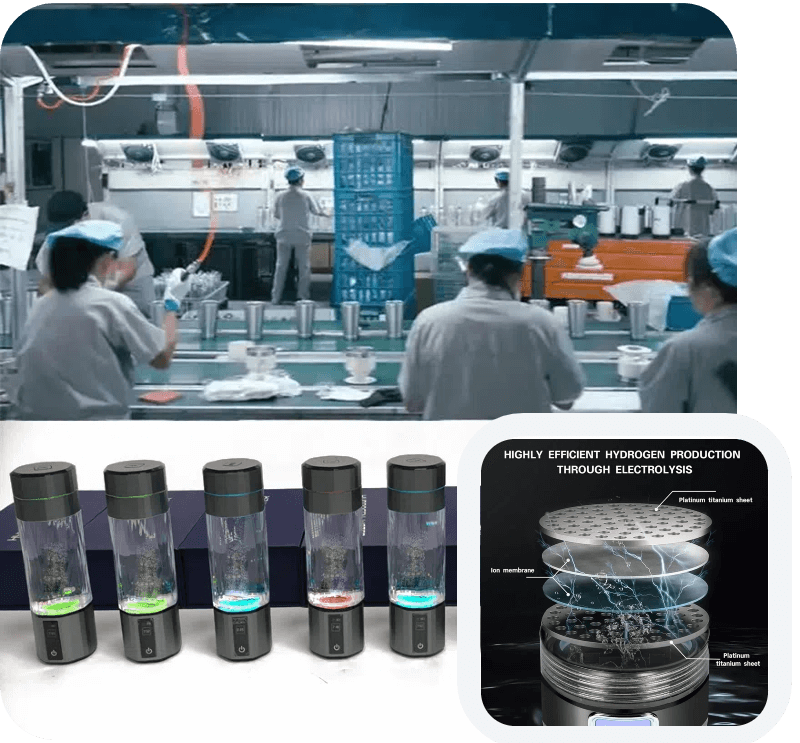
In the ever-evolving world of electroplating, advancements in technology and materials are paramount to achieving superior results. Enter HOMIXE, a leading manufacturer with over a decade of experience in the industry. Their latest creation, the Platinum Titanium Anode, is set to revolutionize the electroplating process with its cutting-edge design and unparalleled performance.
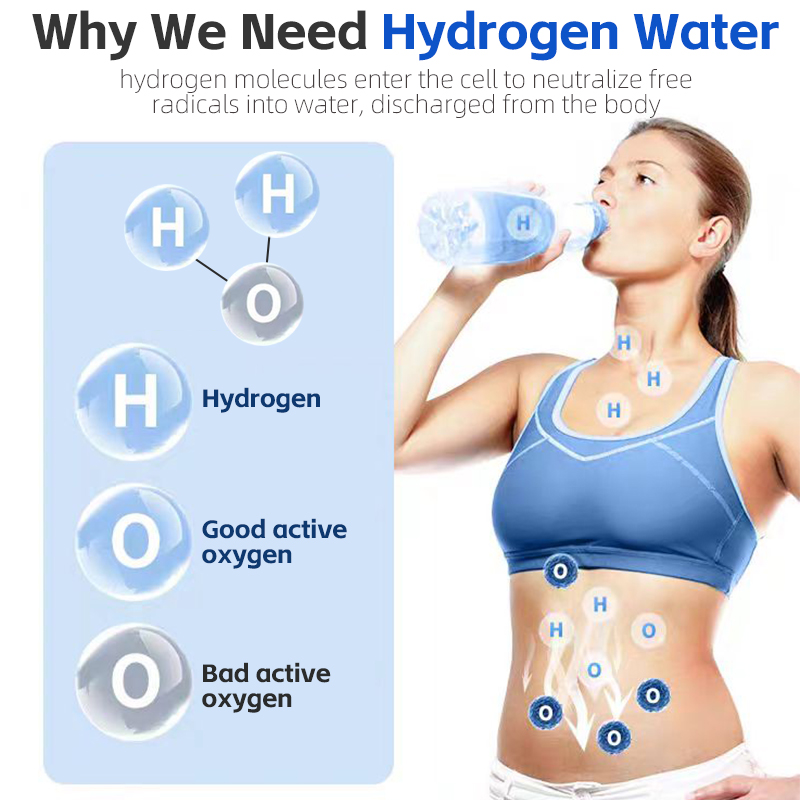
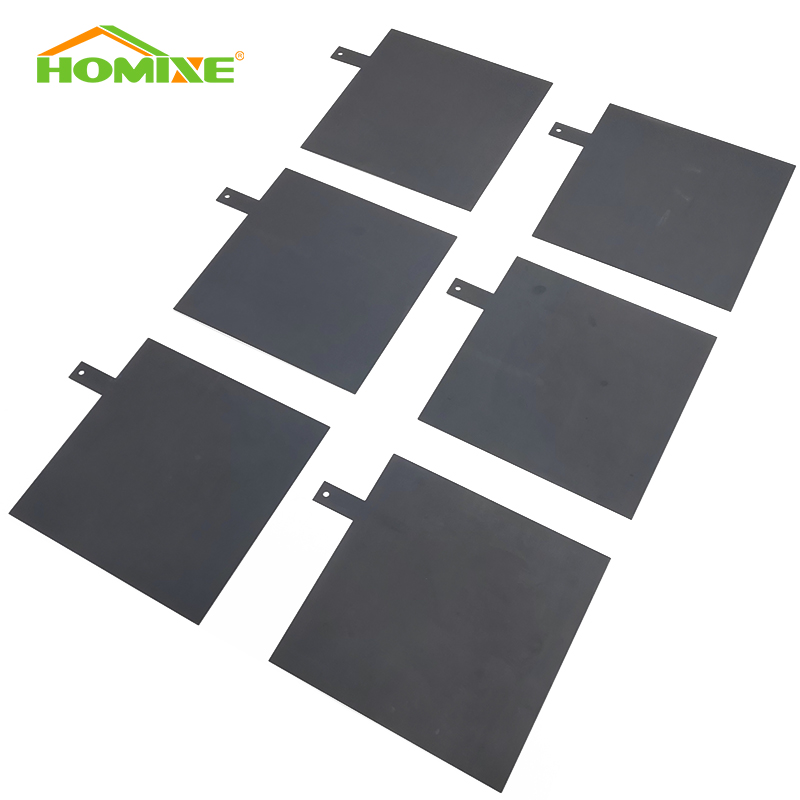
In various electrochemical application fields such as the chlor-alkali industry, electroplating wastewater treatment, seawater electrolysis for chlorine production, and hydrogen-rich water preparation, the anode serves as a core consumable, and its performance directly determines system efficiency, energy consumption, and operational costs. Traditional anode materials like graphite and lead alloys face common issues such as high oxygen/chlorine evolution potential, low current efficiency, poor mechanical strength, and susceptibility to corrosion, leading to frequent electrode replacements and elevated production costs. This article will delve into the new generation of electrode technology represented by mixed metal oxide (MMO) coated titanium anodes, exploring how technological innovations provide long-lasting, stable, and efficient solutions for the industry.
HOMIXE - As Professional titanium anode manufacturer Electrolytic water technology product solution provider ,We have own R& D team and 10years experience in Titanium anode .
Products
Contact Us
Contact: MS.Catarey
Phone: +86-13726337448
Email: catarey@homixe.com
WhatsApp: +86-13726337448
Address: 2/F Plant, Liansha Central Road North 26, Danzao Town, Nanhai Distribution, Foshan China.