Please fill out the form below to request a quote or to request more information about us. please be as detailed as possible in your message, and we will get back to you as soon as possible with a response. we're ready to start working on your new project, contact us now to get started.
Professional Titanium Anode Manufacturer & Hydrogen Water Electrolysis Solutions Supplier.  +86 13726337448
  catarey@homixe.com

Titanium Electrodes For Electrolysis: How To Choose The Right Current Density For Your Use Case
2026-07-30
HOMIXE
28
Are you looking to enhance your electrolysis processes with the right materials? Titanium electrodes have emerged as a game-changer in the realm of electrochemical applications, thanks to their exceptional durability, corrosion resistance, and efficiency. However, selecting the optimal current density is crucial to maximizing performance and achieving desired results. In our latest article, “Titanium Electrodes for Electrolysis: How to Choose the Right Current Density for Your Use Case,” we’ll guide you through the intricacies of current density selection, tailor-made for various industries and applications. Whether you're a seasoned electrochemist or just starting your journey, our comprehensive insights will arm you with the knowledge needed to elevate your electrolysis projects. Discover how the right choices can lead to improved efficiency, reduced costs, and higher output—dive in to unlock the full potential of titanium electrodes!
Understanding Titanium Electrodes
Titanium is a popular choice for electrodes due to its excellent corrosion resistance, strength, and ability to withstand harsh electrochemical environments. As an inert material, titanium does not participate in the electrochemical reaction, making it an ideal electrode substrate. HOMIXE provides high-quality titanium electrodes that can be tailored for various electrolysis applications. Beyond their characteristic durability, titanium electrodes ensure that the overall efficiency of the electrolysis process is maintained, promoting longer life cycles for the equipment.
The Role of Current Density in Electrolysis
Current density, defined as the current flowing through a unit area of electrode surface (typically measured in A/m²), plays a pivotal role in the efficiency and effectiveness of electrolysis. The choice of current density can affect factors such as the reaction rate, gas evolution, and overall energy consumption. Selecting the appropriate current density is crucial as it can optimize the electrochemical process while preventing undesired effects like electrode degradation or inefficient gas production.
It's essential to note that different electrolysis applications may require different current densities. For instance, in water electrolysis, the suitable current density largely depends on the purity of water, temperature, and ionic content. HOMIXE electrodes can handle varying current densities, making them a versatile choice for many electrolysis setups.
Factors Influencing Current Density Selection
Choosing the right current density hinges on several factors:
Application Type: Different electrolysis processes, such as hydrogen production, wastewater treatment, or metal deposition, have varying requirements. For instance, hydrogen evolution typically requires a different current density than metal plating.
Electrode Surface Area: A larger surface area can handle a higher current density without significant adverse effects. Therefore, understanding the surface area of your HOMIXE titanium electrodes is crucial for optimal performance.
Temperature: Higher temperatures can enhance reaction rates, potentially allowing for higher current densities. However, elevating temperature can also influence electrode stability and longevity.
Electrolyte Composition: The type of electrolyte used can greatly impact current density. High conductivity electrolytes can allow for higher current densities, while those with lower conductivity may require more conservative values to maintain efficiency.
Desired Reaction Rate: Faster reaction rates may necessitate higher current densities. However, this must be balanced with the stability of the electrodes to avoid excessive wear.
Optimal Current Density for Different Applications
Understanding the optimal current density for various applications can help users achieve desired outcomes more effectively. For instance:
Water Electrolysis: In water electrolysis, the optimal current density often ranges between 1-10 A/m², depending on the specific technology used and purity of the water.
Electroplating: For metal deposition, current densities may vary from 2-20 A/m², contingent upon the metal being deposited and the desired thickness.
Wastewater Treatment: In treating wastewater, current densities can be maintained between 5-30 A/m², depending on the contaminants present and the efficiency of removal processes.
Making the Right Choice with HOMIXE
When utilizing titanium electrodes for electrolysis, selecting the appropriate current density is critical for achieving efficient and effective outcomes. Factors such as application type, electrode surface area, temperature, electrolyte composition, and desired reaction rate must all be taken into account to determine the optimal current density. With our high-quality HOMIXE titanium electrodes, you can achieve peak performance tailored to your specific needs.
Conclusion
In conclusion, selecting the right current density for titanium electrodes in electrolysis is a critical decision that can significantly impact the efficiency and effectiveness of your processes. With a decade of experience in the industry, we understand the nuances that come with various applications and the importance of tailoring your approach to specific operational needs. Whether you're focusing on maximizing output, ensuring longevity of materials, or maintaining cost-effectiveness, our insights and expertise can guide you toward making informed choices. As the landscape of electrolysis continues to evolve, staying abreast of technological advancements and best practices will empower you to harness the full potential of your systems. Trust in our commitment to innovation and quality as we move forward together in this dynamic field. Let’s connect and explore how we can help optimize your electrolysis operations with the right titanium electrode solutions at the ideal current densities.
Table of Contents
GET IN TOUCH WITH Us
recommended articles
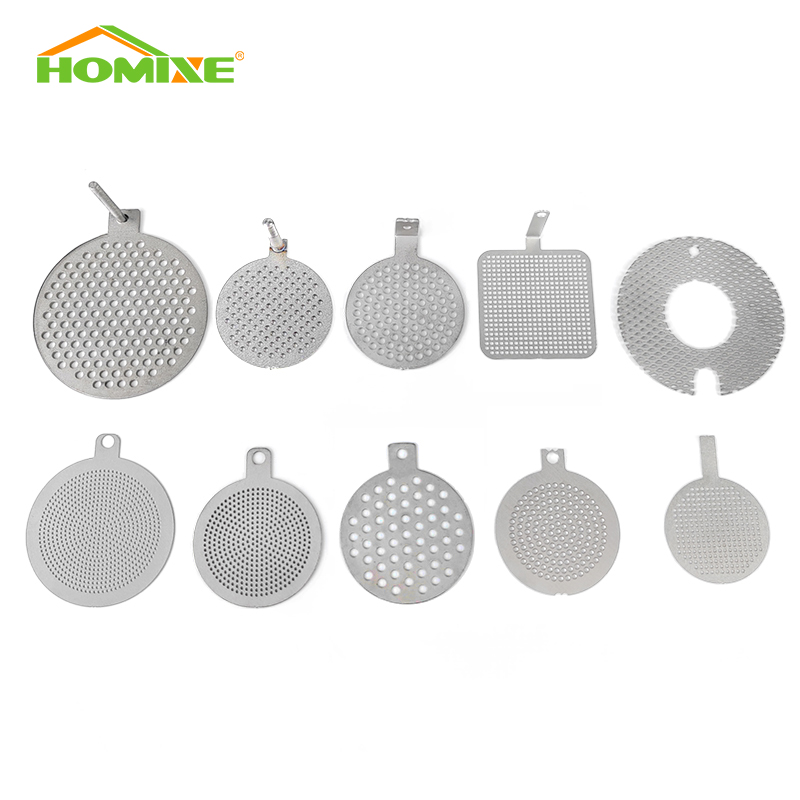
A platinum anode is an electrode made from platinum that is used in electrochemical cells, particularly in processes involving the oxidation of substances. The anode is the electrode where oxidation reactions occur during electrolysis or other electrochemical reactions.
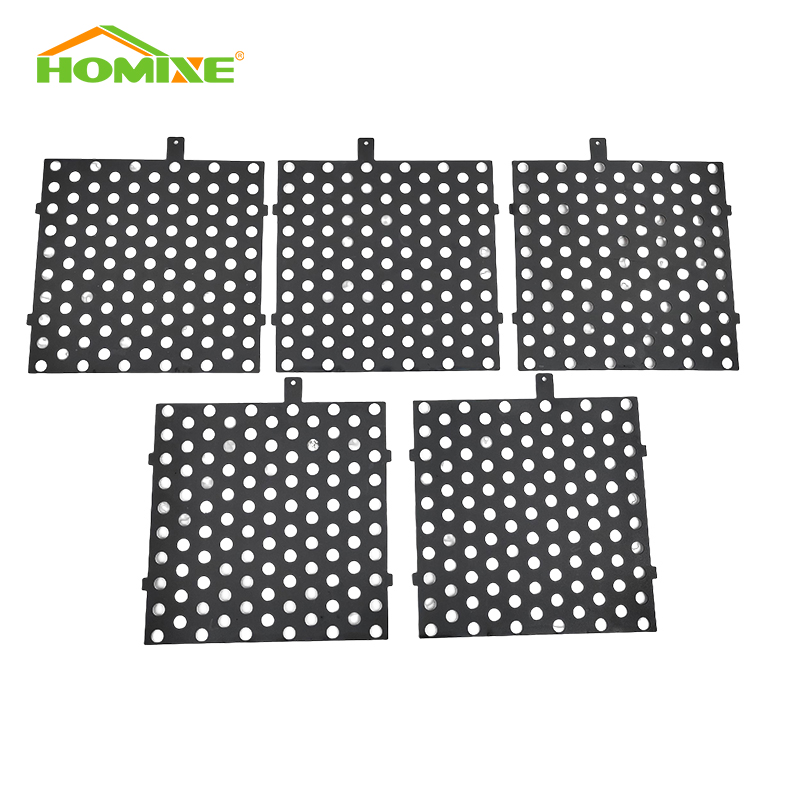
In today’s industrial electrochemical field, the stability and efficiency of electrode performance are crucial for smooth production processes and ensuring product quality. However, the industry faces numerous pain points: unstable electrode performance, short lifespans, lack of customization support for special process requirements, difficulties in small-batch order production, fragmented supply chains leading to low procurement efficiency, and high technical barriers in emerging fields. These issues significantly hinder industry development.
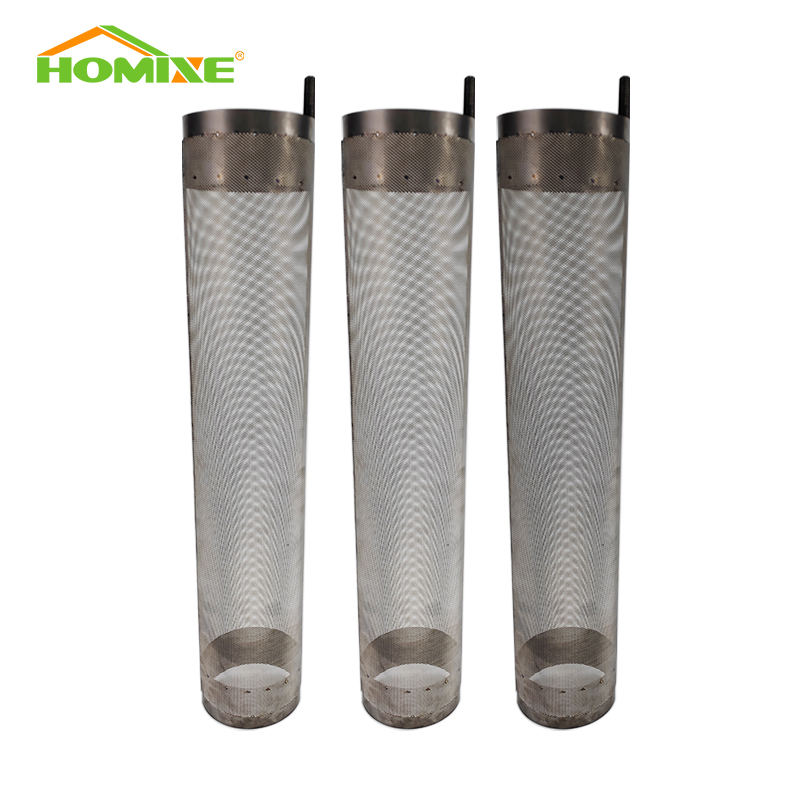
Introduces HOMIXE's independently developed Titanium Anode Baskets and Anode Hooks, designed to enhance performance in electrochemical processes. Our products feature excellent corrosion resistance and stability, making them suitable for various applications, including electroplating, water treatment, and electrolysis. HOMIXE also offers customization services to meet specific customer needs, ensuring that each anode basket and hook is optimized for performance. With efficient current distribution and long-lasting durability, these products provide exceptional value for enhancing production processes. For more information and customization options, please contact us.
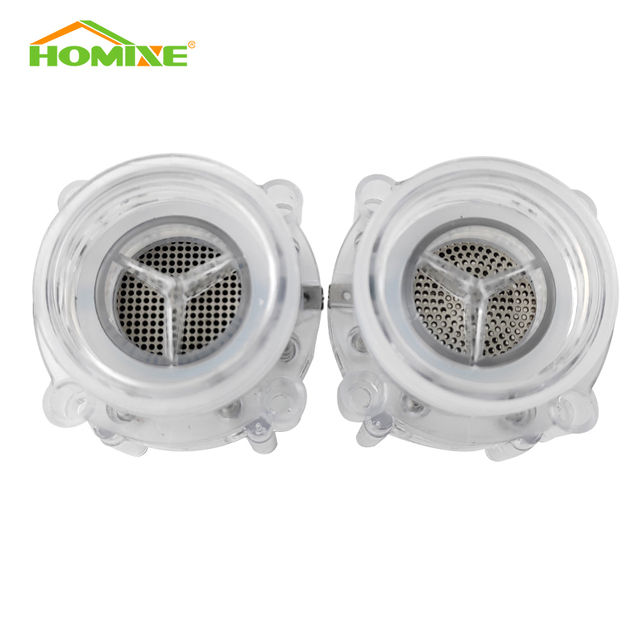
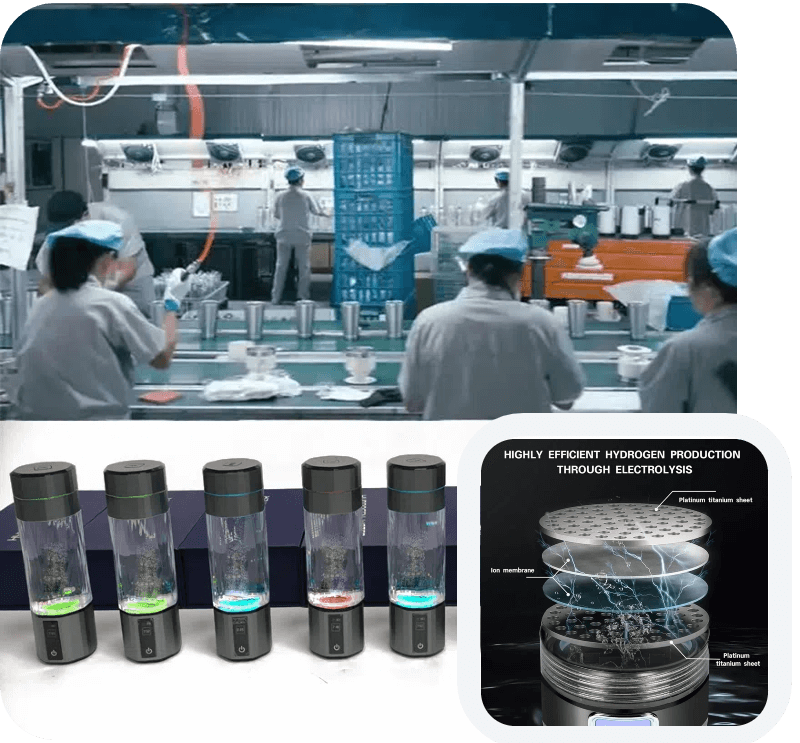
In today’s fast-paced world, health and wellness are at the forefront of everyone’s mind. One of the latest trends in improving health is hydrogen-rich water, which is praised for its potential to boost energy, reduce inflammation, and promote overall well-being. At Foshan Hometi New Material Co., Ltd., we are proud to introduce our Innovative Portable Active Pure Water Hydrogen Generator, a breakthrough product designed to provide high-quality hydrogen-rich water in the most convenient way possible.
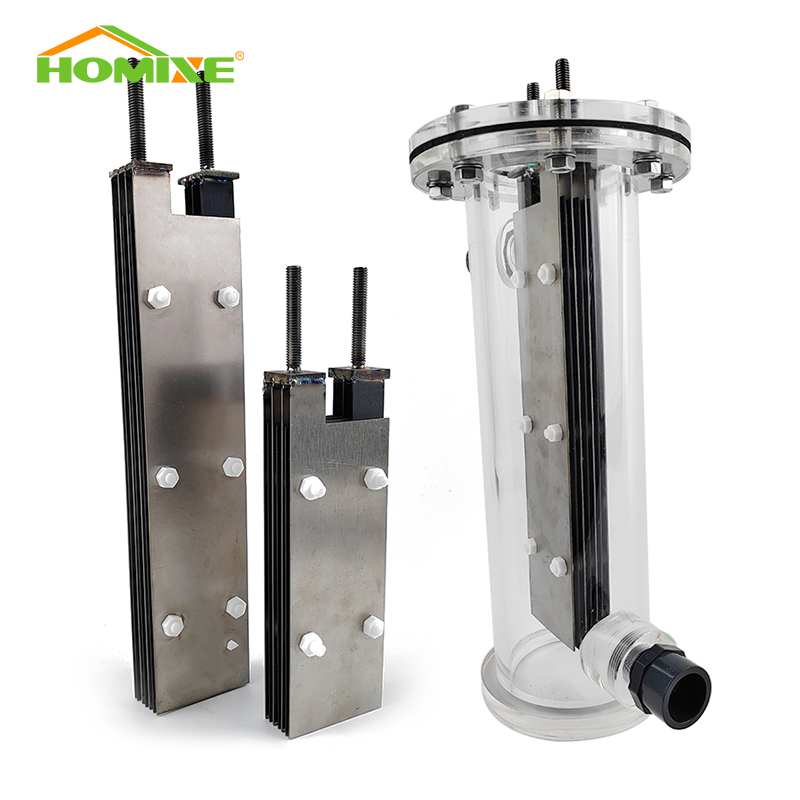
As industries strive for improved efficiency and sustainability, the role of materials in electrochemical processes has become increasingly important. Among these, titanium anodes are emerging as a preferred choice due to their unique properties. Known for their exceptional corrosion resistance, lightweight nature, and high electrical conductivity, titanium anodes offer significant advantages in applications such as water treatment, electrolysis, and electroplating. This article delves into the benefits of titanium anodes and their versatility in various industries, highlighting why they are poised to play a critical role in the future of electrochemical technologies.
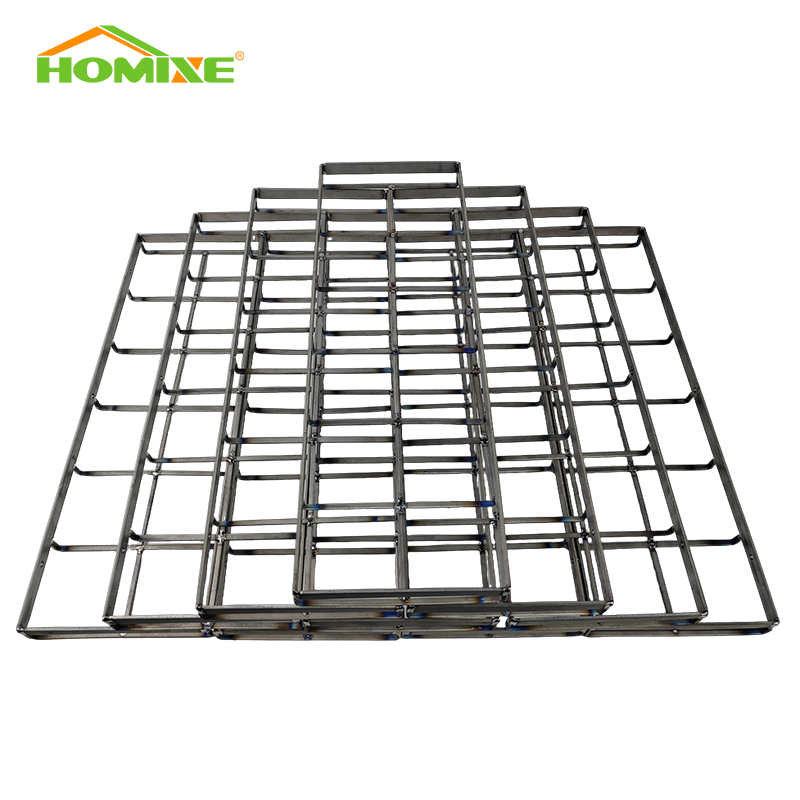
In the world of electrochemistry, efficiency and durability are paramount. This is where titanium anode baskets play a crucial role. These specialized baskets are designed to house titanium anodes, offering superior corrosion resistance and strength in harsh chemical environments. Titanium is a metal known for its ability to withstand corrosion, making it ideal for use in electroplating, water treatment, and various other electrochemical processes.
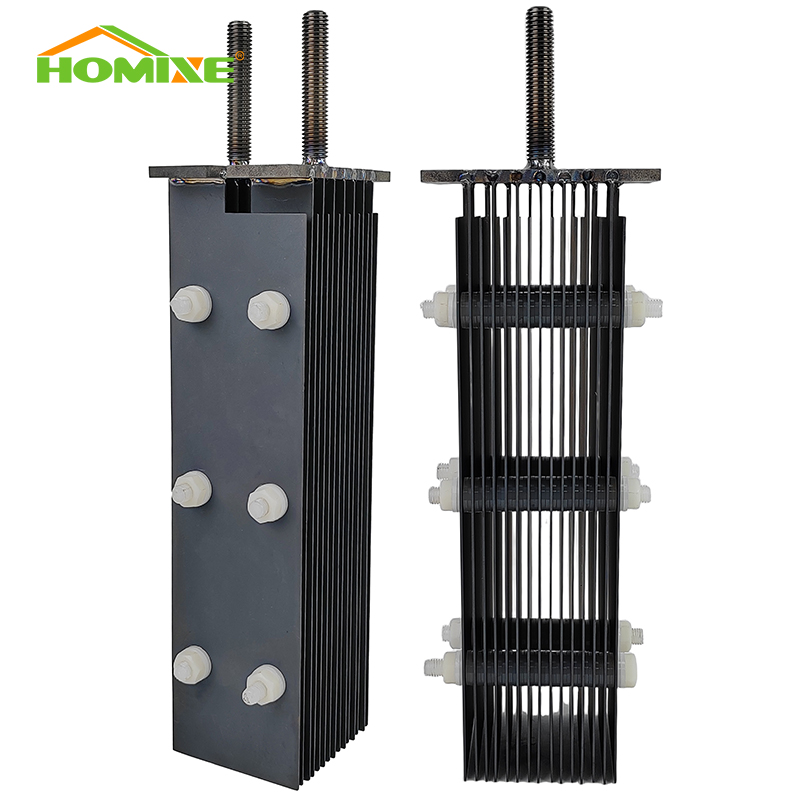
Our independently developed sodium hypochlorite generator revolutionizes tap water treatment and disinfection processes. Engineered with cutting-edge titanium electrode electrolytic cells and adjustable-concentration technology, this system guarantees optimal water quality and sterilization efficiency for municipal water treatment, healthcare facilities, and industrial applications. Compatible with both saltwater electrolysis and high-yield sodium hypochlorite production, our generator adapts seamlessly to diverse operational requirements.
In the ever-evolving world of electroplating, advancements in technology and materials are paramount to achieving superior results. Enter HOMIXE, a leading manufacturer with over a decade of experience in the industry. Their latest creation, the Platinum Titanium Anode, is set to revolutionize the electroplating process with its cutting-edge design and unparalleled performance.
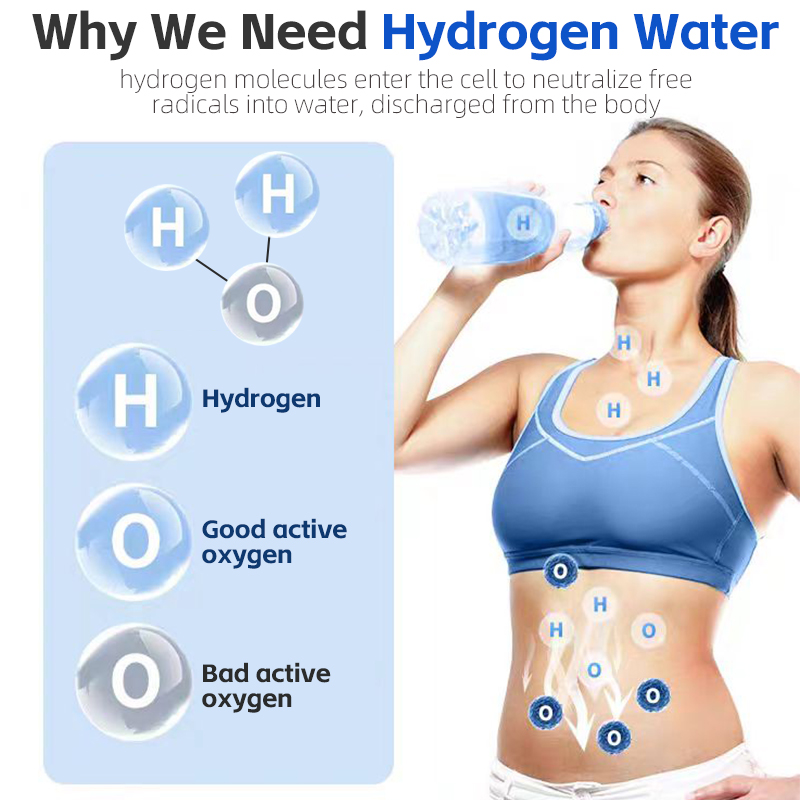
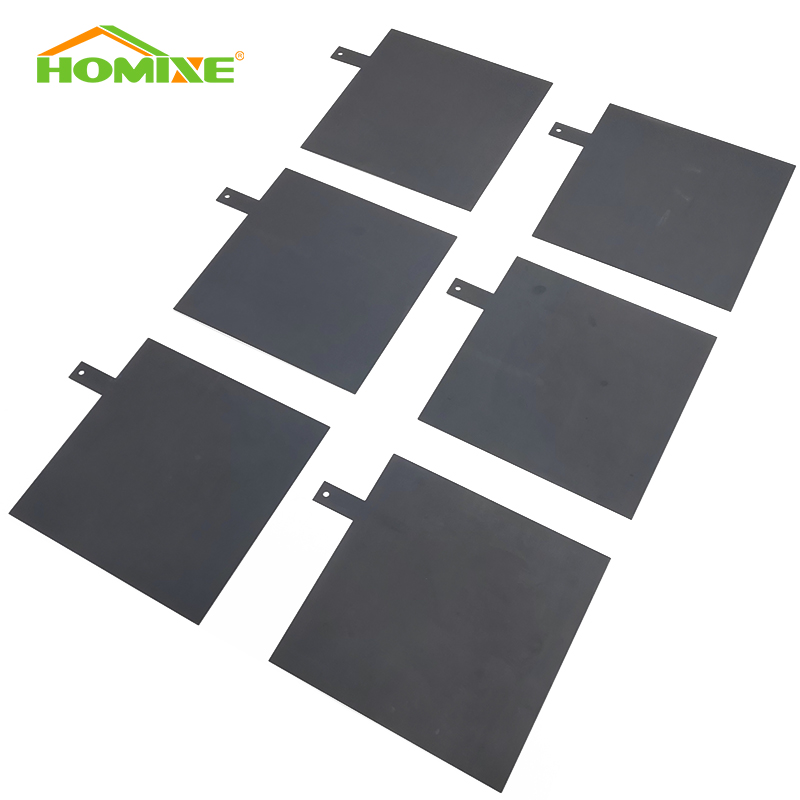
In various electrochemical application fields such as the chlor-alkali industry, electroplating wastewater treatment, seawater electrolysis for chlorine production, and hydrogen-rich water preparation, the anode serves as a core consumable, and its performance directly determines system efficiency, energy consumption, and operational costs. Traditional anode materials like graphite and lead alloys face common issues such as high oxygen/chlorine evolution potential, low current efficiency, poor mechanical strength, and susceptibility to corrosion, leading to frequent electrode replacements and elevated production costs. This article will delve into the new generation of electrode technology represented by mixed metal oxide (MMO) coated titanium anodes, exploring how technological innovations provide long-lasting, stable, and efficient solutions for the industry.
HOMIXE - As Professional titanium anode manufacturer Electrolytic water technology product solution provider ,We have own R& D team and 10years experience in Titanium anode .
Products
Contact Us
Contact: MS.Catarey
Phone: +86-13726337448
Email: catarey@homixe.com
WhatsApp: +86-13726337448
Address: 2/F Plant, Liansha Central Road North 26, Danzao Town, Nanhai Distribution, Foshan China.