Please fill out the form below to request a quote or to request more information about us. please be as detailed as possible in your message, and we will get back to you as soon as possible with a response. we're ready to start working on your new project, contact us now to get started.
Professional Titanium Anode Manufacturer & Hydrogen Water Electrolysis Solutions Supplier.  +86 13726337448
  catarey@homixe.com

How To Size A Sodium Hypochlorite Generator For Commercial Pool Maintenance
2026-08-02
HOMIXE
15
When it comes to maintaining a pristine swimming pool, one of the most effective solutions is a sodium hypochlorite generator. However, sizing the right generator for your commercial pool can be a daunting task. With varying pool sizes, water volumes, and maintenance demands, selecting the appropriate generator is crucial for ensuring optimal sanitation and cost-efficiency. In this article, we’ll demystify the process of sizing a sodium hypochlorite generator, providing you with essential insights and practical tips. Whether you’re a pool facility manager, a maintenance professional, or simply a pool enthusiast, our comprehensive guide will equip you with the knowledge necessary to make informed decisions and keep your pool sparkling clean all season long. Dive in to discover how to streamline your pool maintenance routine with the perfect sodium hypochlorite generator!
Understanding Sodium Hypochlorite Generators
Before diving into sizing considerations, it’s essential to understand what sodium hypochlorite generators are and how they function. A sodium hypochlorite generator utilizes electrolysis to produce sodium hypochlorite from saltwater. This process involves passing an electrical current through a saline solution, generating chlorine in the form of sodium hypochlorite—a highly effective disinfectant used for water treatment in swimming pools.
Sodium hypochlorite generators are popular in commercial pool settings due to their ability to automatically generate chlorine, reducing the need for manual chemical handling and providing consistent water sanitation. Given their importance, ensuring the proper sizing of these generators is crucial for effective operation.
Factors Influencing Generator Sizing
When sizing a sodium hypochlorite generator, various factors must be considered to ensure optimal performance. These include:
Pool Volume: The total volume of water in the pool is the primary consideration. Larger pools require more chlorine for effective sanitation. Measure the pool's length, width, and average depth to calculate its volume in gallons or liters.
Water Temperature: Warmer water increases chlorine demand because higher temperatures promote faster algae growth and require more frequent sanitation. Be sure to account for seasonal temperature variations as well.
Bather Load: The number of swimmers using the pool at any given time significantly impacts chlorine demand. Heavy usage translates into higher organic load, necessitating increased chlorine output for water safety.
Sunlight Exposure: Pools exposed to direct sunlight may experience higher chlorine dissipation rates due to UV radiation. Consideration should be given to how much sunlight the pool receives, especially during peak usage seasons.
Water Quality: Existing water quality and conditions play a vital role in determining chlorine requirements. If the pool has high levels of organic matter or other contaminants (like leaves or debris), this may require additional chlorine to maintain water quality.
Calculating the Appropriate Size
To determine the sizing of your sodium hypochlorite generator, begin by calculating the chlorine demand based on the aforementioned factors. For a commercial pool, the general rule is to provide around 1-3 parts per million (ppm) of chlorine per gallon of water, keeping in mind that heavily used pools may require more.
Check the specifications from HOMIXE’s sodium hypochlorite generators. Each model has a production capacity measured in grams of chlorine produced per hour. Divide the total chlorine demand (calculated from your pool’s volume) by the generator's hourly output to gauge how many units you may need to meet peak sanitation requirements.
For example, if your pool holds 100,000 gallons and you determine a need for 2 ppm of chlorine, you might need to produce approximately 200 grams of chlorine per hour based on optimal conditions.
Choosing the Right Generator Model
Once you have your calculation in hand, selecting the correct HOMIXE model revolves not just around output capacity but also additional features. Consider the following when making your choice:
Ease of Use: Look for a generator that integrates easily with your existing pool equipment and has a user-friendly interface.
Durability: Determine the materials used in the construction of the generator to ensure it can withstand long-term use and exposure to water.
Energy Efficiency: Opt for models that consume less electricity while providing reliable chlorine output.
Maintenance Requirements: Choose a generator from HOMIXE that is easy to maintain, with readily available replacement parts and clear maintenance guidelines.
Final Considerations
Properly sizing a sodium hypochlorite generator is integral to the efficient maintenance of commercial pools. At HOMIXE, we are committed to providing high-quality solutions tailored to meet the needs of professional pool operators. By understanding factors that influence chlorine demand and carefully calculating your pool's requirements, you can select the ideal generator that ensures your water remains clean, safe, and inviting all season long. With dedication to quality and innovation, HOMIXE stands ready to support your commercial pool maintenance needs with the most reliable sodium hypochlorite generators on the market.
Conclusion
In conclusion, effectively sizing a sodium hypochlorite generator is crucial for ensuring optimal performance and maintenance of commercial pools. With a decade of experience in the industry, we understand the unique challenges pool operators face and the importance of a reliable sanitation system. By considering factors such as pool volume, bather load, and local water quality, you can make informed decisions that not only enhance water quality but also improve overall operational efficiency. Investing time and resources into the right generator setup will ultimately lead to a safer, cleaner pool environment for all. Trust our expertise to guide you in making the best choice for your facility; your swimming pool deserves nothing less than the best in maintenance solutions.
Table of Contents
GET IN TOUCH WITH Us
recommended articles
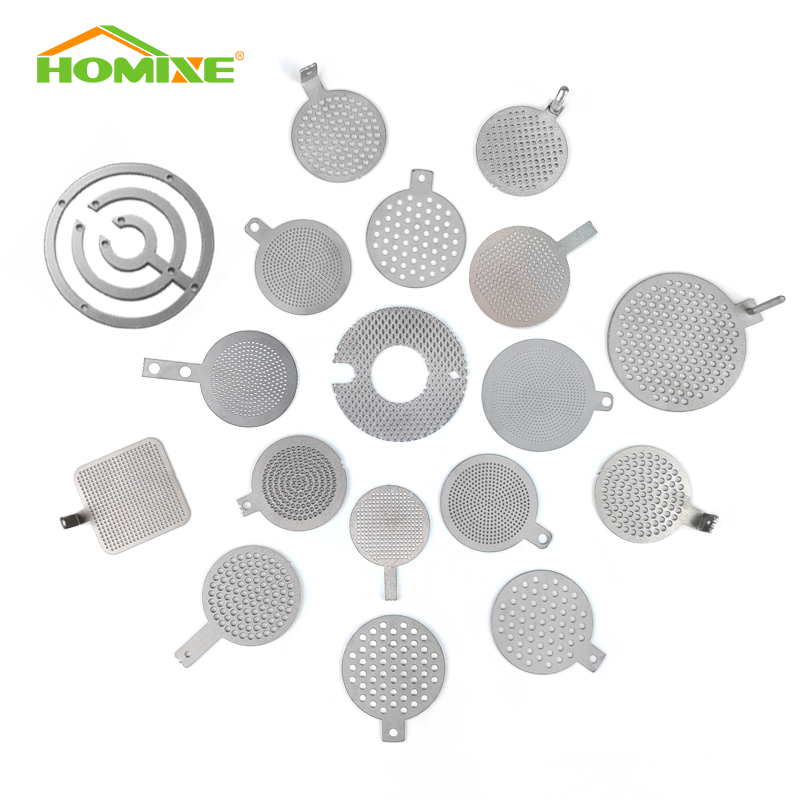
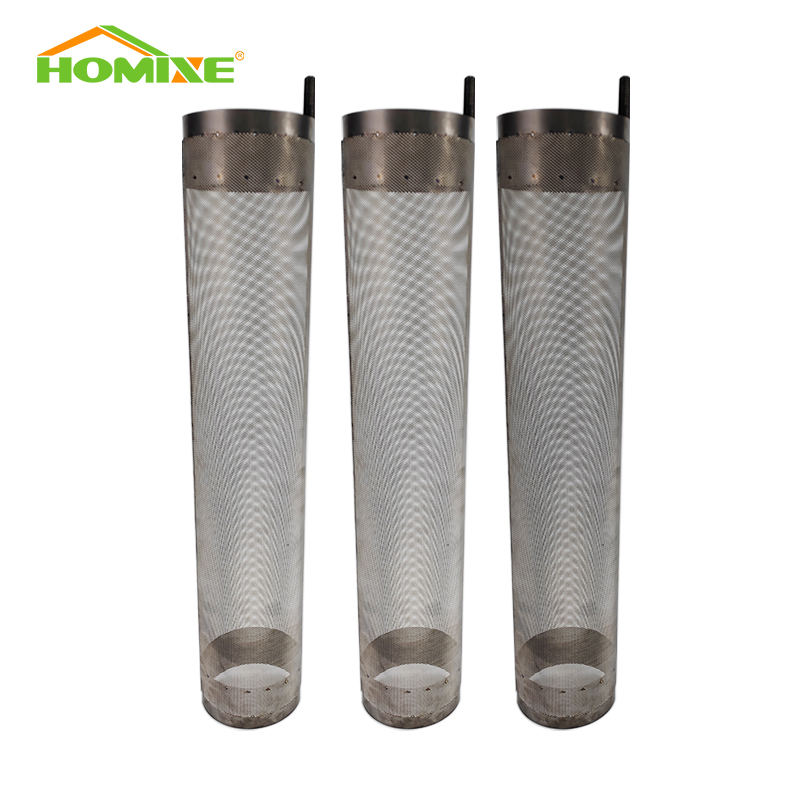
Introduces HOMIXE's independently developed Titanium Anode Baskets and Anode Hooks, designed to enhance performance in electrochemical processes. Our products feature excellent corrosion resistance and stability, making them suitable for various applications, including electroplating, water treatment, and electrolysis. HOMIXE also offers customization services to meet specific customer needs, ensuring that each anode basket and hook is optimized for performance. With efficient current distribution and long-lasting durability, these products provide exceptional value for enhancing production processes. For more information and customization options, please contact us.
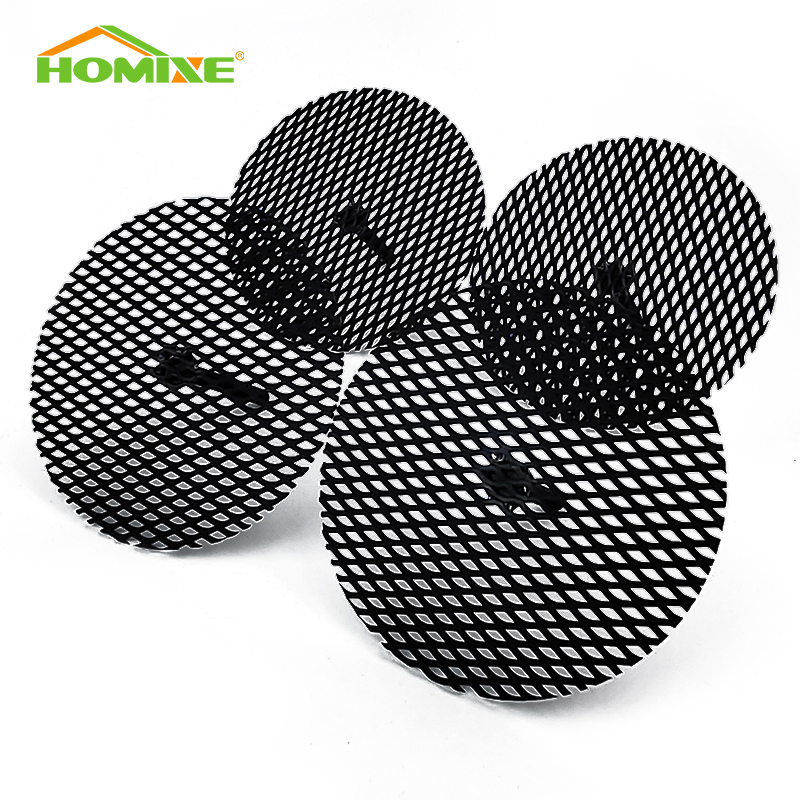
Corrosion is a relentless enemy of metal infrastructure, silently degrading pipelines, storage tanks, marine structures, and buried foundations. Traditional sacrificial anodes offer protection but come with limitations – frequent replacements, unpredictable performance in varied soils, and bulkiness demanding significant excavation. Impressed Current Cathodic Protection (ICCP) systems provide a robust, long-lasting alternative, and customized ICCP anodes represent the pinnacle of this technology, delivering unparalleled protection tailored precisely to the asset's needs.
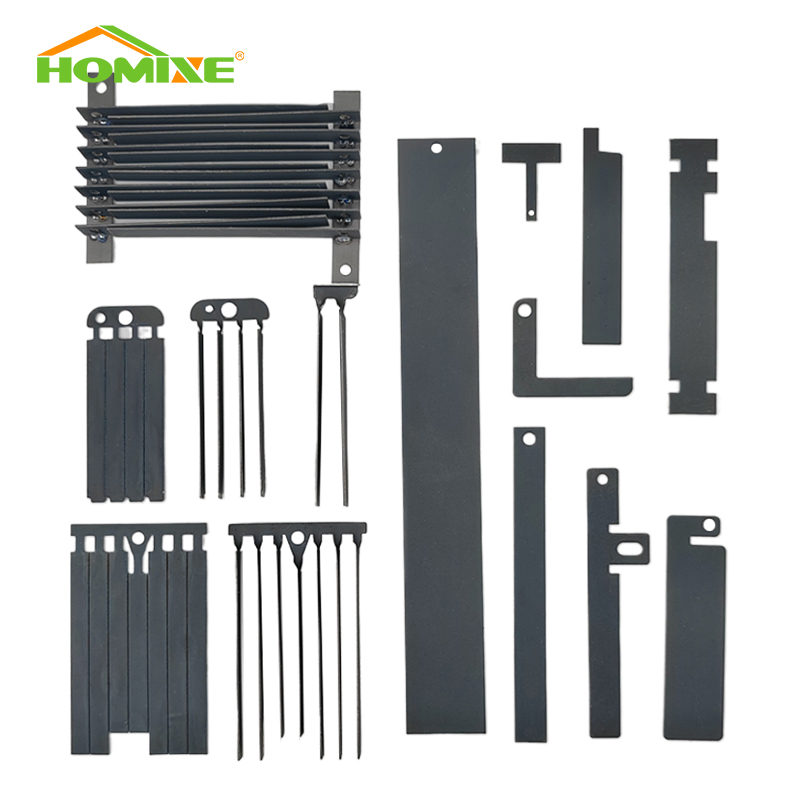
Foshan Hometi New Material Co., Ltd. as a specialized manufacturer dedicated to providing high-quality titanium anodes and exceptional customer service.
This article discusses the advantages and importance of custom titanium anodes in various industries, including water treatment, electroplating, chemical processing, and food production. It highlights the key benefits of titanium anodes, such as their corrosion resistance, high conductivity, long lifespan, and environmental friendliness.
This article discusses the advantages and importance of custom titanium anodes in various industries, including water treatment, electroplating, chemical processing, and food production. It highlights the key benefits of titanium anodes, such as their corrosion resistance, high conductivity, long lifespan, and environmental friendliness.
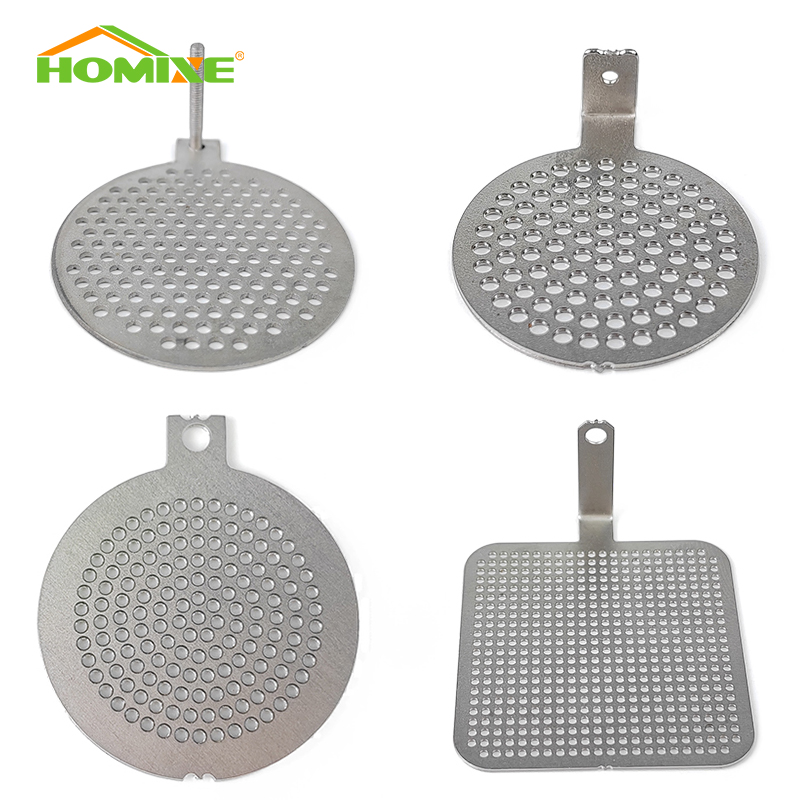
As the world moves toward clean and sustainable energy solutions, electrolysis for hydrogen production has gained significant attention. Among the various components that drive this process, the anode plays a crucial role in determining the efficiency and performance of the electrolysis system. Platinum-titanium anodes with a porous structure are at the forefront of this innovation, offering unparalleled advantages in hydrogen production through water electrolysis.
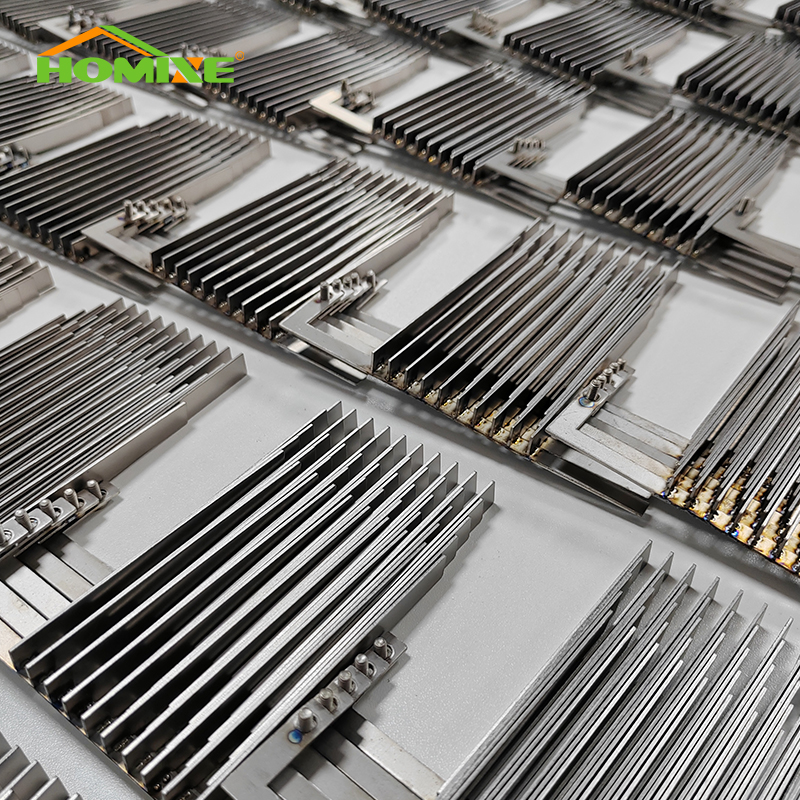
Titanium anodes are widely used in various industries, including electrolysis, electroplating, and seawater desalination, due to their exceptional corrosion resistance, stability, and long service life. However, as industrial demands continue to evolve, standard titanium anodes often fail to meet the specific requirements of certain applications. This is where custom titanium anode solutions come into play, offering tailored solutions that help companies enhance production efficiency, reduce costs, and improve product quality.
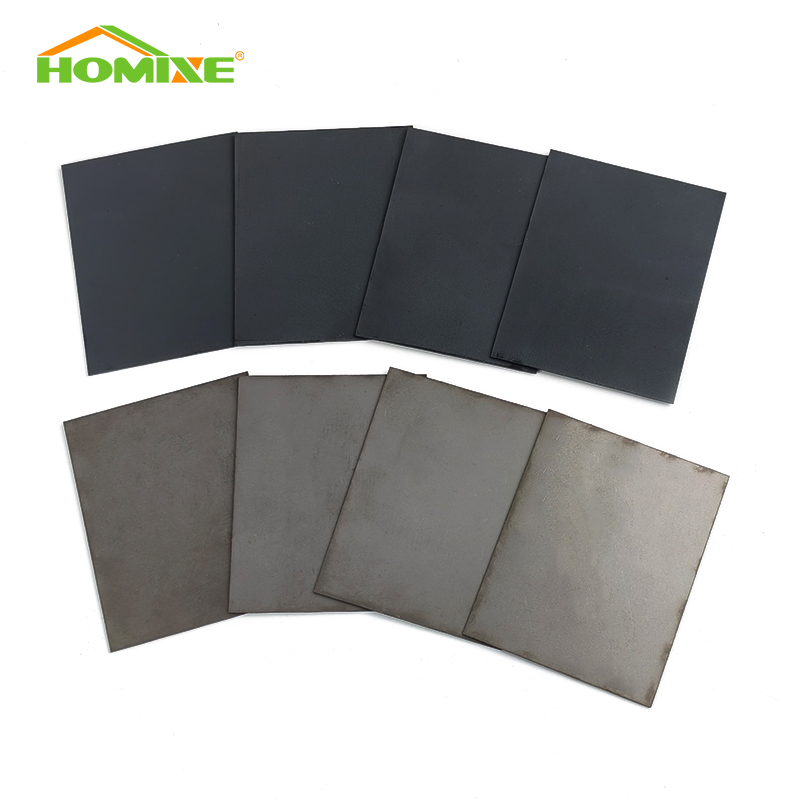
Titanium electrodes are widely used in electrolysis applications due to their excellent properties. These electrodes are made from titanium metal, which is classified as an inert material, meaning it does not chemically react with the electrolyzed substances and remains stable throughout the process.
Titanium is a preferred material for electrodes because of its high resistance to corrosion, superior electrical conductivity, and lightweight yet strong structure. Furthermore, titanium has a high melting point, making it suitable for high-temperature processes.
These electrodes find diverse applications in industries such as chemical production, electroplating, water treatment, and semiconductor manufacturing. They can be produced in various forms, including plates, rods, tubes, and wires, depending on specific operational requirements.
Titanium is a preferred material for electrodes because of its high resistance to corrosion, superior electrical conductivity, and lightweight yet strong structure. Furthermore, titanium has a high melting point, making it suitable for high-temperature processes.
These electrodes find diverse applications in industries such as chemical production, electroplating, water treatment, and semiconductor manufacturing. They can be produced in various forms, including plates, rods, tubes, and wires, depending on specific operational requirements.
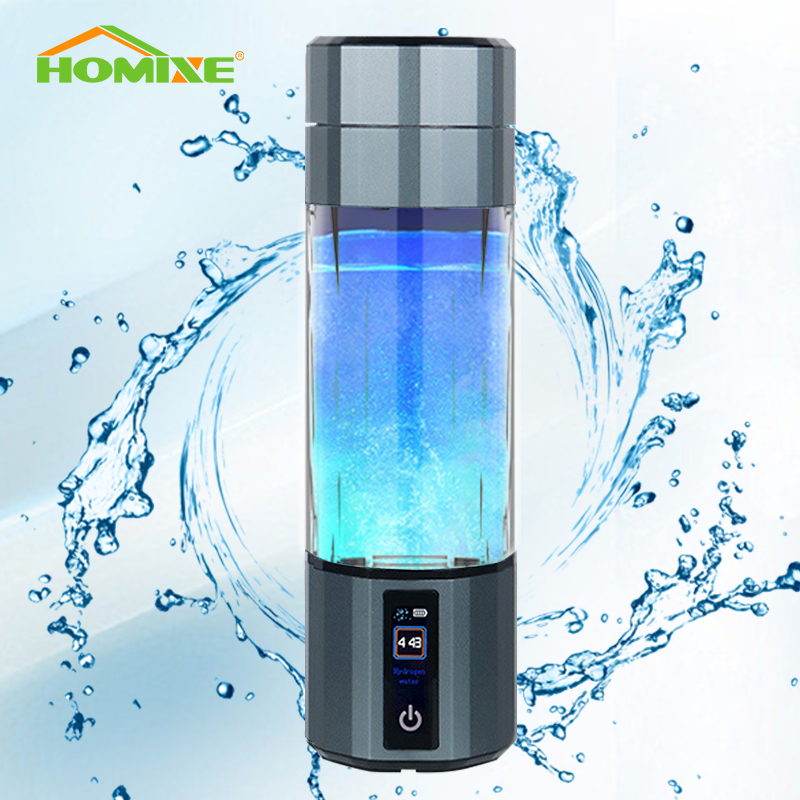
The HOMIXE Hydrogen Rich Water Cup is a revolutionary product that allows you to easily create high concentrations of hydrogen-rich water on the go. With a fast production rate of 3000-6000ppb and two different electrolysis modes, this cup is perfect for those looking to incorporate the benefits of hydrogen water into their daily routine.
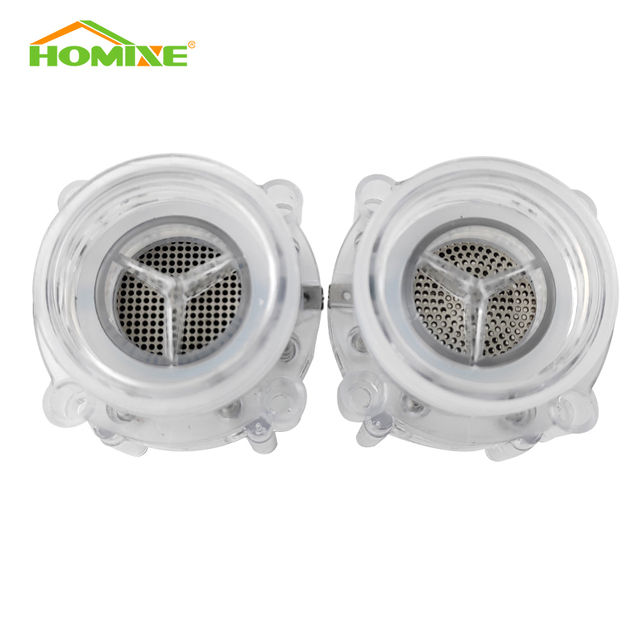
In today’s fast-paced world, health and wellness are at the forefront of everyone’s mind. One of the latest trends in improving health is hydrogen-rich water, which is praised for its potential to boost energy, reduce inflammation, and promote overall well-being. At Foshan Hometi New Material Co., Ltd., we are proud to introduce our Innovative Portable Active Pure Water Hydrogen Generator, a breakthrough product designed to provide high-quality hydrogen-rich water in the most convenient way possible.
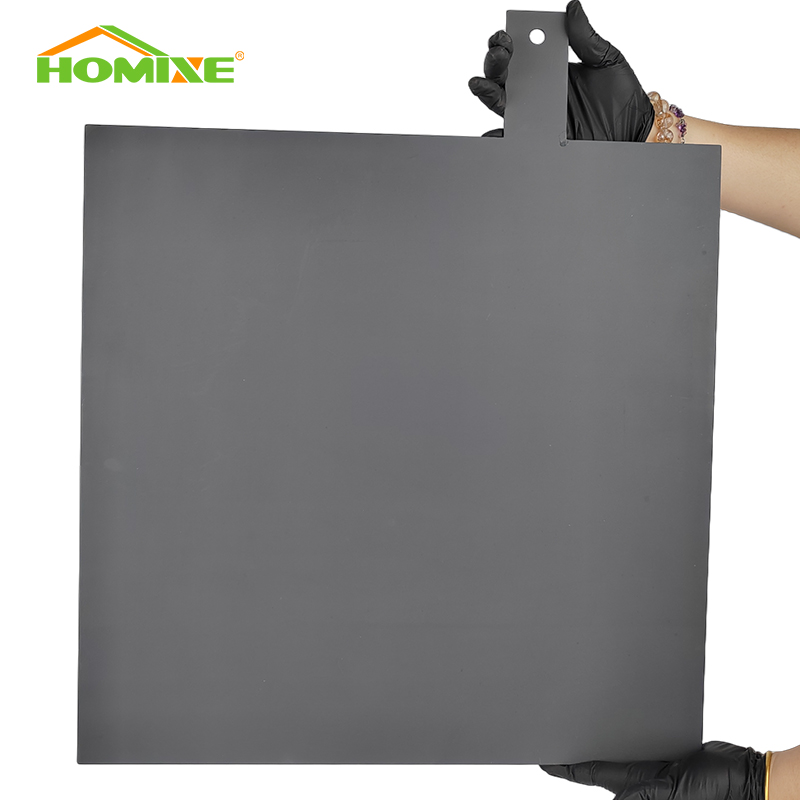
FOSHAN XINJINTAI TECHNOLOGY CO., LTD. (Brand HOMlXE) is a leading manufacturer specializing in advanced Titanium Anodes designed for electrolytic copper foil production. Our titanium anodes are crafted from high-purity titanium material and coated with premium precious metals like Ruthenium-Iridium or Iridium-Tantalum. These coatings are not only uniform but also provide exceptional corrosion resistance and high-temperature stability, ensuring a reliable and efficient electrolysis process.
HOMIXE - As Professional titanium anode manufacturer Electrolytic water technology product solution provider ,We have own R& D team and 10years experience in Titanium anode .
Products
Contact Us
Contact: MS.Catarey
Phone: +86-13726337448
Email: catarey@homixe.com
WhatsApp: +86-13726337448
Address: 2/F Plant, Liansha Central Road North 26, Danzao Town, Nanhai Distribution, Foshan China.