Please fill out the form below to request a quote or to request more information about us. please be as detailed as possible in your message, and we will get back to you as soon as possible with a response. we're ready to start working on your new project, contact us now to get started.
Professional Titanium Anode Manufacturer & Hydrogen Water Electrolysis Solutions Supplier.  +86 13726337448
  catarey@homixe.com

Sodium Hypochlorite Generator Installation Tips For Off-Grid Homesteads
2026-07-29
HOMIXE
32
Are you ready to elevate your off-grid homestead’s self-sufficiency? Imagine being able to produce your own cleaning and sanitizing solutions with ease, all while contributing to a sustainable lifestyle. In our latest article, “Sodium Hypochlorite Generator Installation Tips for Off-Grid Homesteads,” we delve into the transformative benefits of installing a sodium hypochlorite generator right at your homestead. Whether you’re looking to enhance your water treatment processes, improve sanitation for livestock, or ensure a clean environment for your family, this comprehensive guide is packed with essential tips and practical advice. Discover crucial installation insights, maintenance recommendations, and safety precautions that will empower you to harness the power of this versatile technology. Join us as we unlock the potential of self-generated sodium hypochlorite and take your off-grid living experience to the next level!
Understanding the Basics of Sodium Hypochlorite Generators
Sodium Hypochlorite Generators are devices that create sodium hypochlorite from saltwater through a process called electrolysis. This compound is an effective disinfectant widely used for water treatment purposes. By integrating this system into your off-grid homestead, you can ensure clean drinking water and maintain hygiene effectively. Understanding how these generators work is pivotal for proper installation and operation.
Choosing the Right Location for Installation
Before you begin installation, one of the first steps is to choose the right location for your Sodium Hypochlorite Generator. The ideal spot should be in a shaded area to prevent excessive heat, which can affect its efficiency. It is preferable to locate this generator near your water source to minimize the necessary piping, thus reducing the risk of contamination. Additionally, ensure the area is easily accessible for maintenance and inspections.
When selecting a location, consider the following factors:
Ventilation: Proper ventilation is crucial for dissipating any gases produced during the electrolysis process.
Protection from Elements: Ensure that your generator is shielded from direct rainfall, snow, and frost to prevent damage.
Proximity to Power Source: Make sure it is placed near a power source, as excessive wiring can lead to voltage drops that may affect the generator's performance.
Installing Electrical Connections Safely
Safety is paramount when handling any electrical installations. When setting up your Sodium Hypochlorite Generator, you must adhere to safety protocols to avoid accidents. Here’s a step-by-step plan:
Disconnect Power: Before beginning any electrical work, ensure that the power supply is switched off.
Use Proper Cables: Select high-quality cables that are suitable for outdoor use to prevent damage from environmental factors.
Ground the Unit: A proper grounding system is crucial for minimizing risks, especially in an off-grid setup where unforeseen surges could occur.
Connect According to Instructions: Follow the manufacturer’s guidelines for wiring connections closely to avoid damaging the unit or voiding your warranty.
Always consider hiring a qualified electrician if you are not confident in performing electrical tasks.
Regular Maintenance and Care
Once your Sodium Hypochlorite Generator is installed, maintaining it is essential for optimal performance. Regular checks can help catch potential issues before they escalate. Here are some maintenance tips for off-grid homesteaders:
Monitor Salt Levels: Check the salt levels regularly to ensure there is an adequate supply for the generation process.
Inspect for Leaks: Periodically inspect hoses and connections for leaks, as these can lead to dilution and impaired efficiency.
Clean Electrodes: Over time, the electrodes may accumulate scale. Regularly cleaning them according to the manufacturer's instructions will enhance performance.
Test Water Quality: Implement routine testing of your water quality to ensure that the generator is functioning correctly. This could involve checking chlorine levels to confirm the unit is producing the necessary amounts.
Utilizing HOMIXE Support for Troubleshooting
For any unforeseen issues that may arise with your Sodium Hypochlorite Generator, rely on HOMIXE's customer support for troubleshooting assistance. Our team is equipped to handle inquiries and provide expert advice tailored to your specific situation. Common issues might include insufficient chlorine output or irregular power fluctuations, both of which can drastically affect your generator's performance.
When contacting HOMIXE support:
Prepare Information: Have your generator model, purchase date, and specific issues ready to provide an accurate description.
Follow Guidelines: Adhere to any troubleshooting suggestions provided, which may help you resolve the problem quickly without requiring professional intervention.
Installing a Sodium Hypochlorite Generator on your off-grid homestead could prove to be a game-changer in maintaining water quality. By understanding the installation process and following the tips outlined above, you can ensure a successful setup that promotes sustainability and efficiency. Don't hesitate to reach out to HOMIXE for support and advice as you embark on your journey to cleaner water and improved health in your homesteading endeavors.
Conclusion
Table of Contents
GET IN TOUCH WITH Us
recommended articles
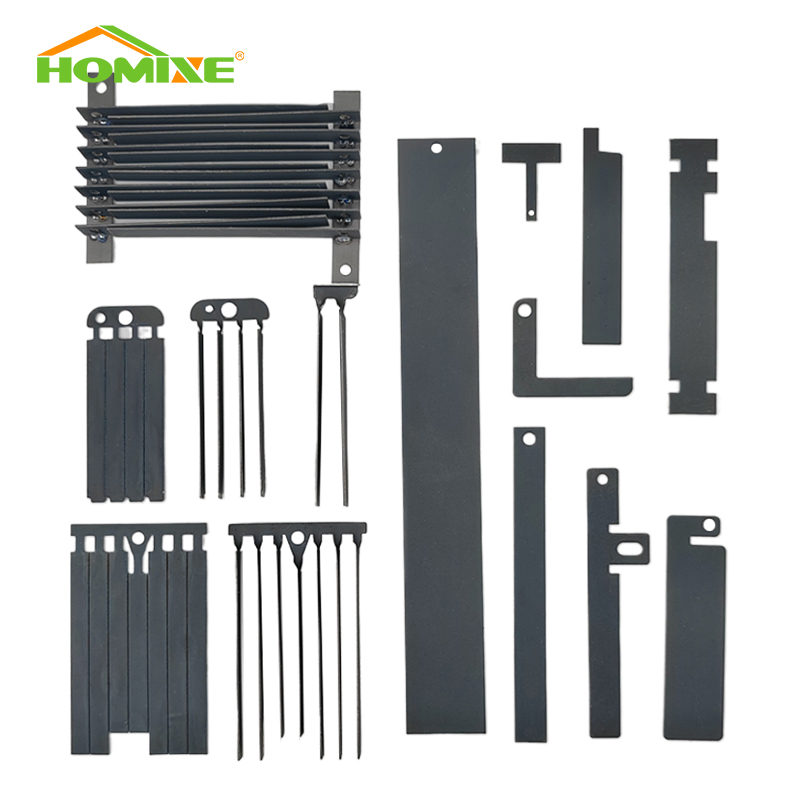
Foshan Hometi New Material Co., Ltd. as a specialized manufacturer dedicated to providing high-quality titanium anodes and exceptional customer service.
This article discusses the advantages and importance of custom titanium anodes in various industries, including water treatment, electroplating, chemical processing, and food production. It highlights the key benefits of titanium anodes, such as their corrosion resistance, high conductivity, long lifespan, and environmental friendliness.
This article discusses the advantages and importance of custom titanium anodes in various industries, including water treatment, electroplating, chemical processing, and food production. It highlights the key benefits of titanium anodes, such as their corrosion resistance, high conductivity, long lifespan, and environmental friendliness.
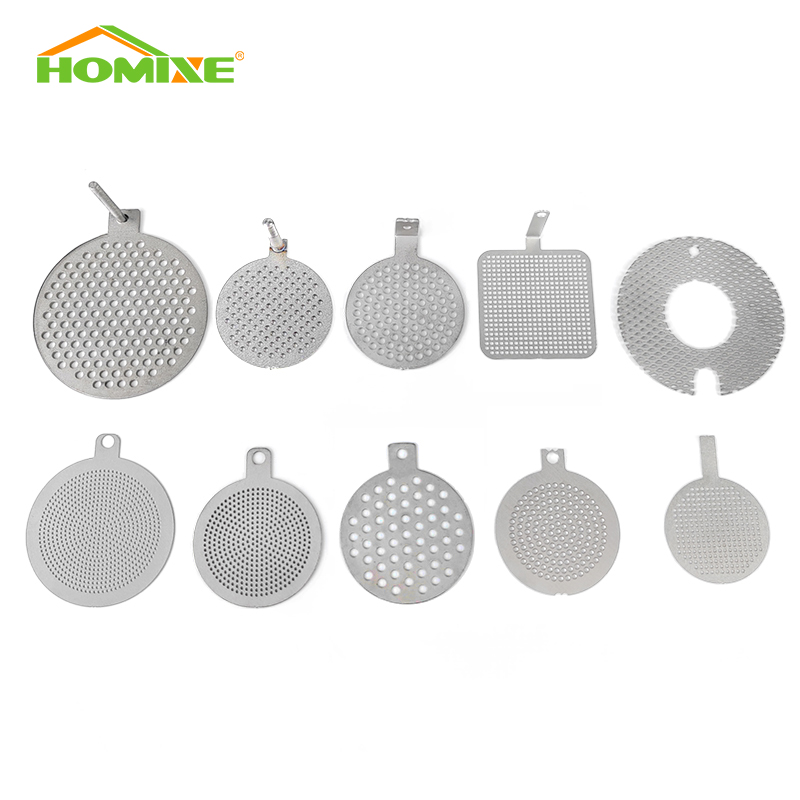
A platinum anode is an electrode made from platinum that is used in electrochemical cells, particularly in processes involving the oxidation of substances. The anode is the electrode where oxidation reactions occur during electrolysis or other electrochemical reactions.
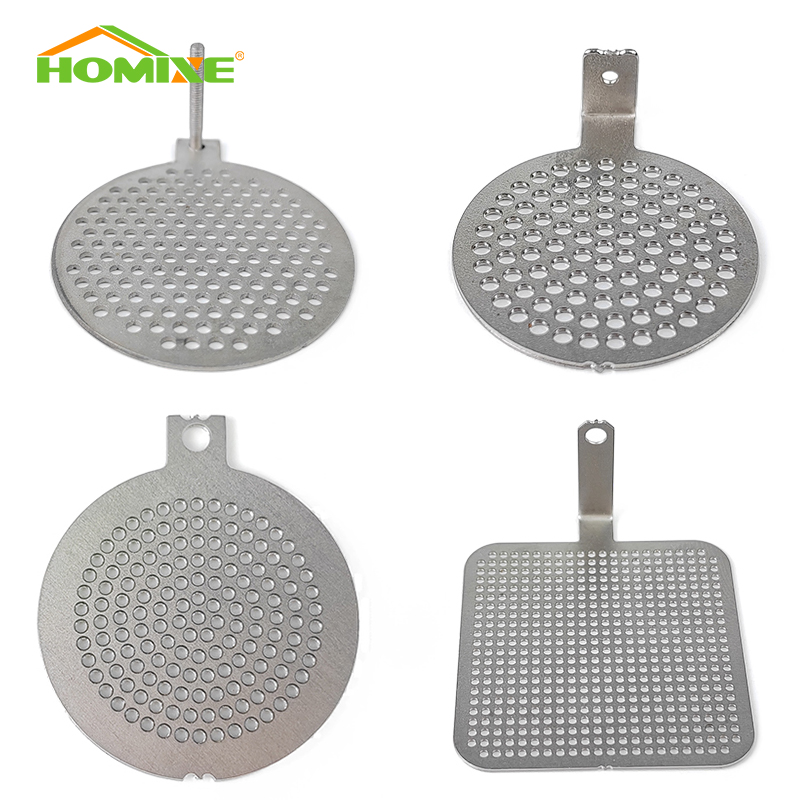
As the world moves toward clean and sustainable energy solutions, electrolysis for hydrogen production has gained significant attention. Among the various components that drive this process, the anode plays a crucial role in determining the efficiency and performance of the electrolysis system. Platinum-titanium anodes with a porous structure are at the forefront of this innovation, offering unparalleled advantages in hydrogen production through water electrolysis.
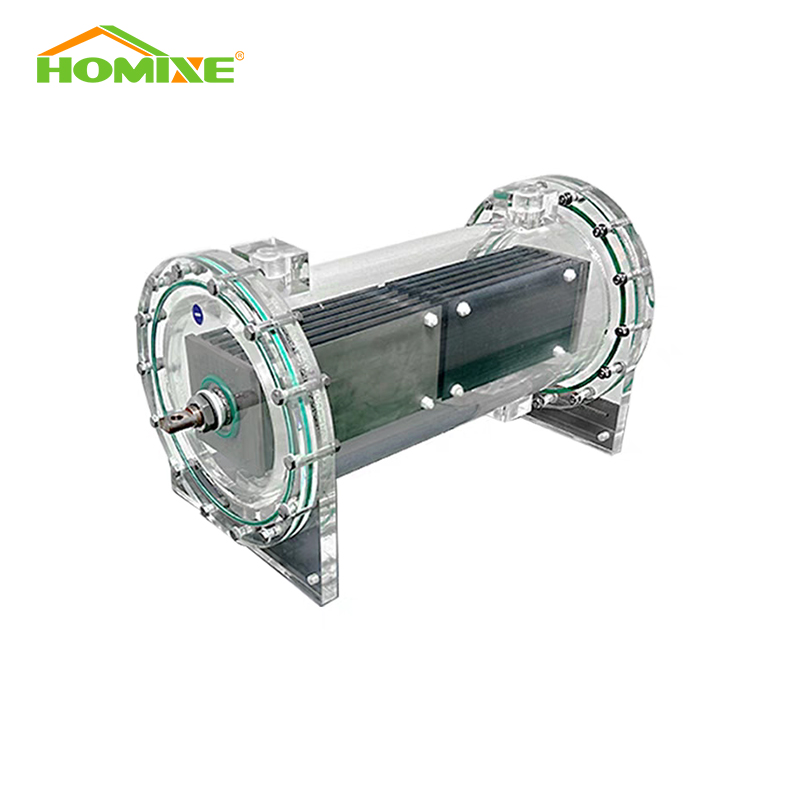
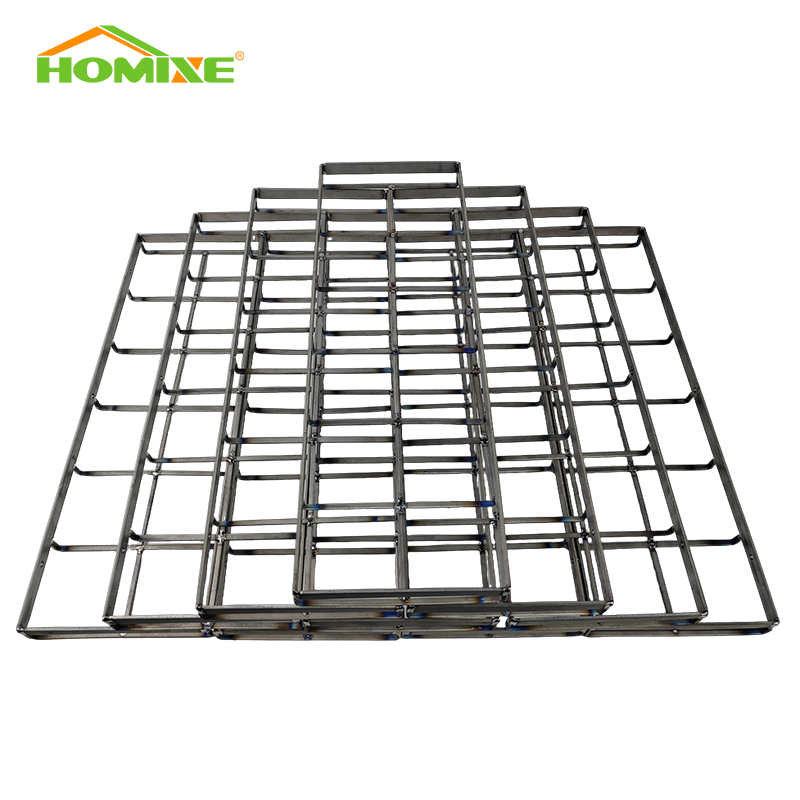
In the world of electrochemistry, efficiency and durability are paramount. This is where titanium anode baskets play a crucial role. These specialized baskets are designed to house titanium anodes, offering superior corrosion resistance and strength in harsh chemical environments. Titanium is a metal known for its ability to withstand corrosion, making it ideal for use in electroplating, water treatment, and various other electrochemical processes.
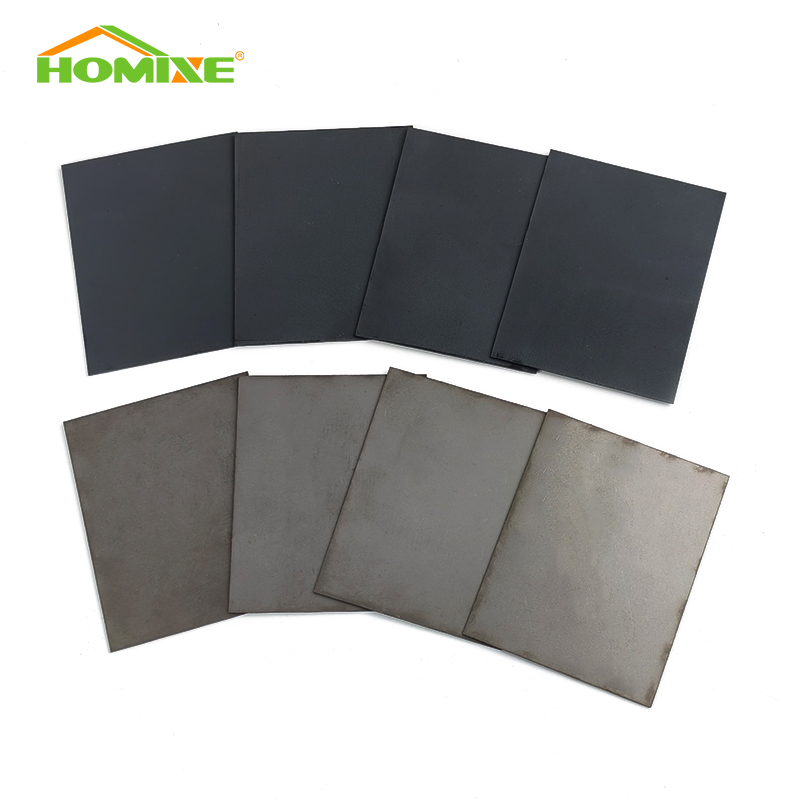
Titanium electrodes are widely used in electrolysis applications due to their excellent properties. These electrodes are made from titanium metal, which is classified as an inert material, meaning it does not chemically react with the electrolyzed substances and remains stable throughout the process.
Titanium is a preferred material for electrodes because of its high resistance to corrosion, superior electrical conductivity, and lightweight yet strong structure. Furthermore, titanium has a high melting point, making it suitable for high-temperature processes.
These electrodes find diverse applications in industries such as chemical production, electroplating, water treatment, and semiconductor manufacturing. They can be produced in various forms, including plates, rods, tubes, and wires, depending on specific operational requirements.
Titanium is a preferred material for electrodes because of its high resistance to corrosion, superior electrical conductivity, and lightweight yet strong structure. Furthermore, titanium has a high melting point, making it suitable for high-temperature processes.
These electrodes find diverse applications in industries such as chemical production, electroplating, water treatment, and semiconductor manufacturing. They can be produced in various forms, including plates, rods, tubes, and wires, depending on specific operational requirements.
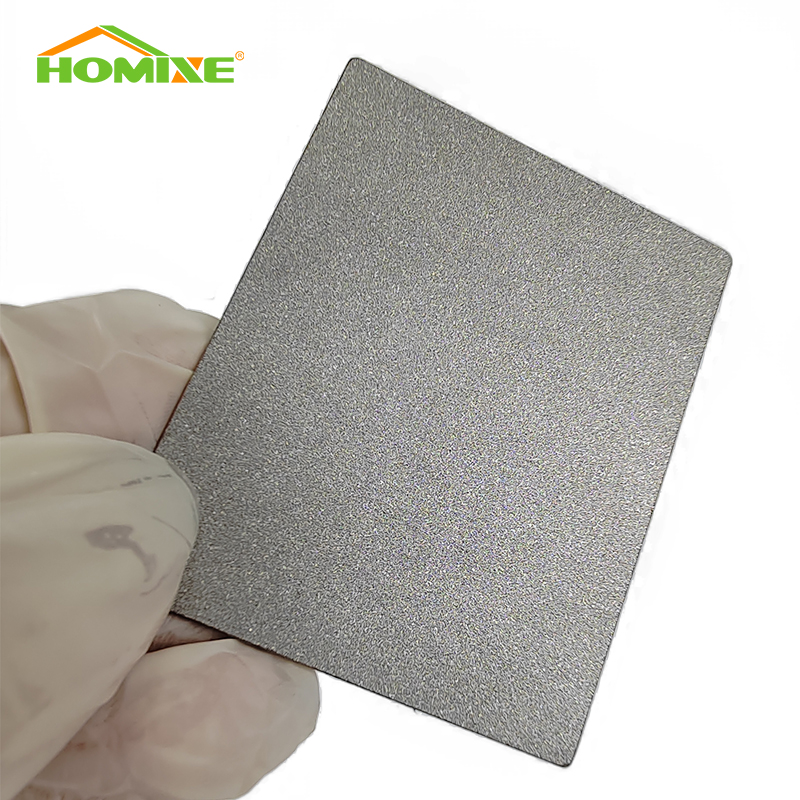
Porous titanium sheets are known for their exceptional properties, making them an ideal material for applications that demand high corrosion resistance and excellent electrical conductivity.
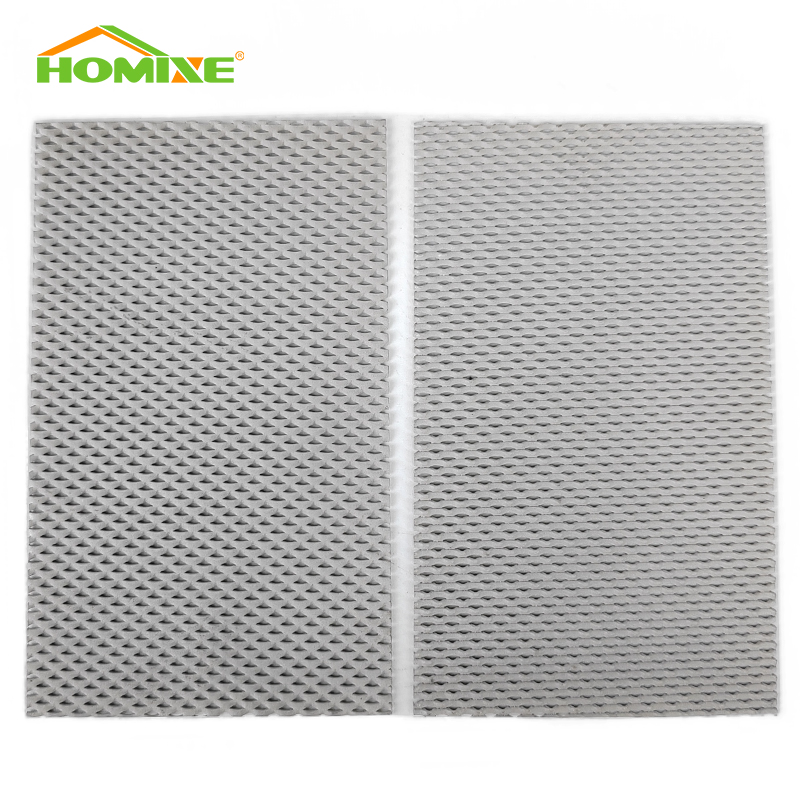
Platinum is an excellent material for sacrificial anodes due to its remarkable conductivity and resistance to corrosion. However, its high cost makes it impractical for direct use in most industrial applications. Instead, platinum is often plated onto other metals such as titanium, niobium, and tantalum, allowing the benefits of platinum without the prohibitive cost.
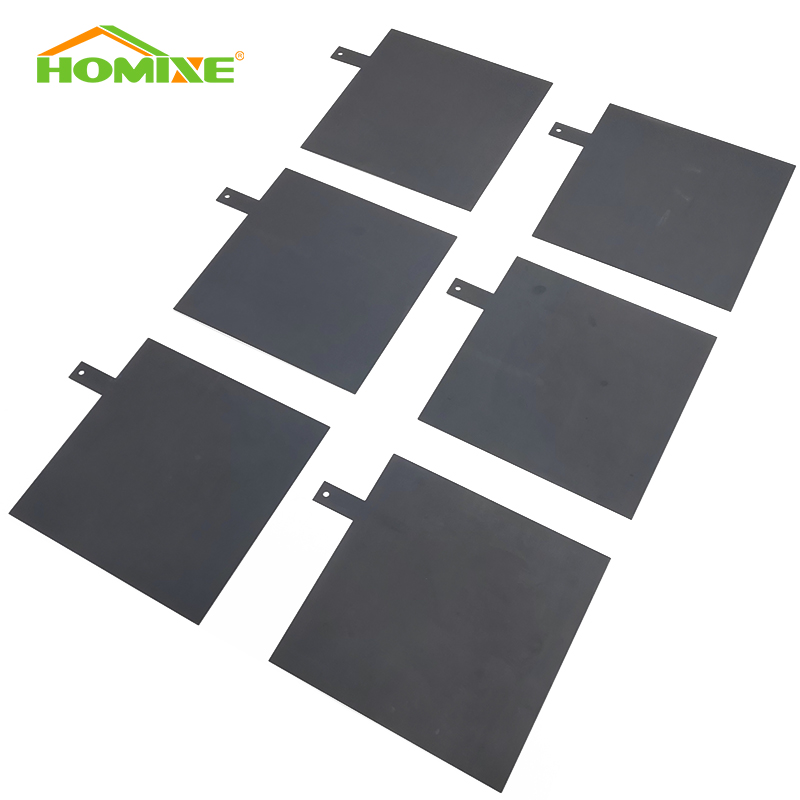
In various electrochemical application fields such as the chlor-alkali industry, electroplating wastewater treatment, seawater electrolysis for chlorine production, and hydrogen-rich water preparation, the anode serves as a core consumable, and its performance directly determines system efficiency, energy consumption, and operational costs. Traditional anode materials like graphite and lead alloys face common issues such as high oxygen/chlorine evolution potential, low current efficiency, poor mechanical strength, and susceptibility to corrosion, leading to frequent electrode replacements and elevated production costs. This article will delve into the new generation of electrode technology represented by mixed metal oxide (MMO) coated titanium anodes, exploring how technological innovations provide long-lasting, stable, and efficient solutions for the industry.
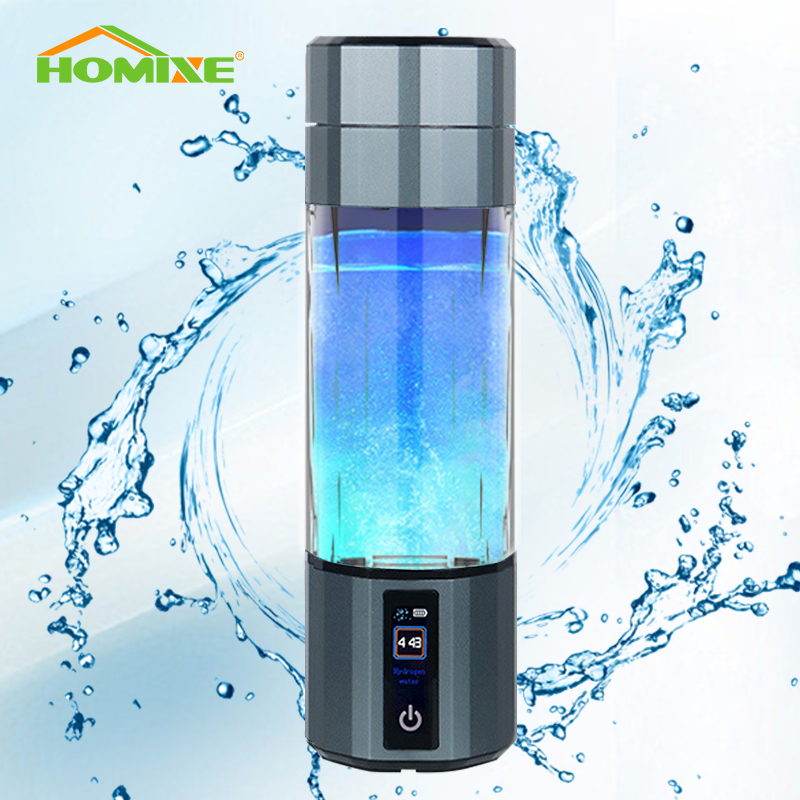
The HOMIXE Hydrogen Rich Water Cup is a revolutionary product that allows you to easily create high concentrations of hydrogen-rich water on the go. With a fast production rate of 3000-6000ppb and two different electrolysis modes, this cup is perfect for those looking to incorporate the benefits of hydrogen water into their daily routine.
HOMIXE - As Professional titanium anode manufacturer Electrolytic water technology product solution provider ,We have own R& D team and 10years experience in Titanium anode .
Products
Contact Us
Contact: MS.Catarey
Phone: +86-13726337448
Email: catarey@homixe.com
WhatsApp: +86-13726337448
Address: 2/F Plant, Liansha Central Road North 26, Danzao Town, Nanhai Distribution, Foshan China.