Please fill out the form below to request a quote or to request more information about us. please be as detailed as possible in your message, and we will get back to you as soon as possible with a response. we're ready to start working on your new project, contact us now to get started.
Professional Titanium Anode Manufacturer & Hydrogen Water Electrolysis Solutions Supplier.  +86 13726337448
  catarey@homixe.com

Sodium Hypochlorite Generator Output Capacity: How To Calculate The Right Size For Your Needs
2026-07-27
HOMIXE
9
Are you considering investing in a sodium hypochlorite generator but unsure how to determine the right size for your specific needs? Look no further! In our comprehensive article, “Sodium Hypochlorite Generator Output Capacity: How to Calculate the Right Size for Your Needs,” we delve into the crucial factors that influence generator output and guide you through the process of calculating the ideal capacity for your application. Whether you’re in the pool maintenance industry, water treatment, or disinfection sectors, having the right generator size is key to ensuring efficiency and effectiveness. Join us as we simplify the complexities of output capacity, providing you with the tools and knowledge to make informed decisions and optimize your operations. Don't miss out—your path to cleaner and safer water starts here!
Understanding Sodium Hypochlorite Generators
Sodium hypochlorite generators are devices that produce sodium hypochlorite (NaOCl) through the electrolysis of saltwater. HOMIXE offers advanced technology in sodium hypochlorite generation, allowing users to create a stable and reliable chlorine solution on-site. The benefits are numerous: cost savings on chemical purchases, reduced transportation and storage issues, and enhanced water quality management.
One of the key factors in selecting a generator is determining the output capacity required for your specific application. This leads to the next critical point: understanding factors that influence the capacity required.
Factors Influencing Sodium Hypochlorite Output Capacity
Several factors directly influence the output capacity of a sodium hypochlorite generator:
Volume of Water to Treat: The total volume of water you'll be treating is the primary factor that impacts the size of the generator necessary for your application. For example, maintaining a swimming pool requires a different output than treating water in a large industrial plant.
Desired Chlorine Concentration: How strong a chlorine solution do you need? Commercial pools may operate at 1-3 ppm (parts per million) of free chlorine, while drinking water may require even lower levels.
Water Quality: Water hardness, pH level, and the presence of contaminants all contribute to how much chlorine you'll need to effectively sanitize the water. If your source water has a high level of organic matter, you may need a larger generator to achieve the same bactericidal effect.
Usage Rates and Turnover Time: How often will you need to treat the water? A high turnover rate means you need a generator that can keep up with the demand.
Regulatory Requirements: In some industries, there are strict regulations regarding water quality. Understanding these requirements can guide your decision-making in selecting a generator that meets or exceeds current standards.
Calculating the Right Size Generator
Once you fully understand the influencing factors, the next step is to calculate the right size generator for your needs. Here's a simplified approach to this calculation:
Estimate Water Volume: Determine the total volume of water you need to treat. For instance, suppose you have a swimming pool that holds 50,000 gallons.
Determine Chlorine Requirements: If your application requires maintaining a chlorine level of 3 ppm, you can use the following formula to find out how much sodium hypochlorite is necessary:
*Gallons of water Desired ppm (in mg/L) = Total mg of chlorine needed**
*50,000 gallons 3 mg/L = 150,000 mg of chlorine**
Convert mg to liters, knowing that 1 L of sodium hypochlorite solution contains about 10-12 grams of available chlorine.
Convert to Sodium Hypochlorite: If you're operating with a typical sodium hypochlorite solution (which contains about 10% sodium hypochlorite), you can quickly convert your chlorine requirement into sodium hypochlorite.
Match Output with Generator Specs: Finally, check the specifications provided by HOMIXE for various generator models to find one that meets or exceeds your calculated requirements.
Benefits of Choosing the Right Generator Size
Opting for the right size sodium hypochlorite generator has multiple benefits:
Cost Efficiency: Invest in a generator that matches your needs to avoid wasting resources on oversized machinery.
Effective Sanitation: The correct output ensures consistently safe water quality, enhancing your operation's safety and reputation.
Longevity of Equipment: A properly sized generator is less likely to suffer from overworking, leading to a longer lifespan and reduced maintenance costs.
Ease of Operation: A generator that fits your facility's needs simplifies operations and allows operators to focus on other critical tasks.
Understanding and calculating the output capacity of a sodium hypochlorite generator is essential for effective water treatment. With the right knowledge, you can choose a HOMIXE generator confidently, ensuring optimum sanitation for your specific needs. By evaluating the influencing factors and following a straightforward calculation method, you can tailor your generator selection, optimizing both efficiency and cost-effectiveness. Whether you’re maintaining a swimming pool, managing a water treatment facility, or operating in an industrial context, a well-sized sodium hypochlorite generator is a cornerstone of effective water quality management. Choose HOMIXE for your sodium hypochlorite generation needs and experience the benefits of precision and reliability.
Conclusion
Table of Contents
GET IN TOUCH WITH Us
recommended articles
As industries strive for improved efficiency and sustainability, the role of materials in electrochemical processes has become increasingly important. Among these, titanium anodes are emerging as a preferred choice due to their unique properties. Known for their exceptional corrosion resistance, lightweight nature, and high electrical conductivity, titanium anodes offer significant advantages in applications such as water treatment, electrolysis, and electroplating. This article delves into the benefits of titanium anodes and their versatility in various industries, highlighting why they are poised to play a critical role in the future of electrochemical technologies.
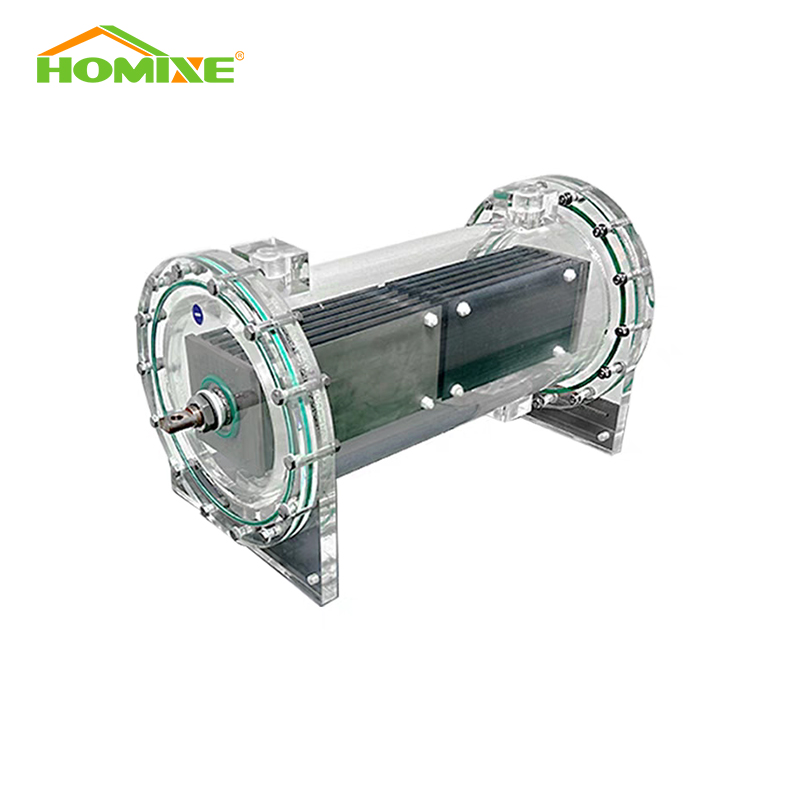
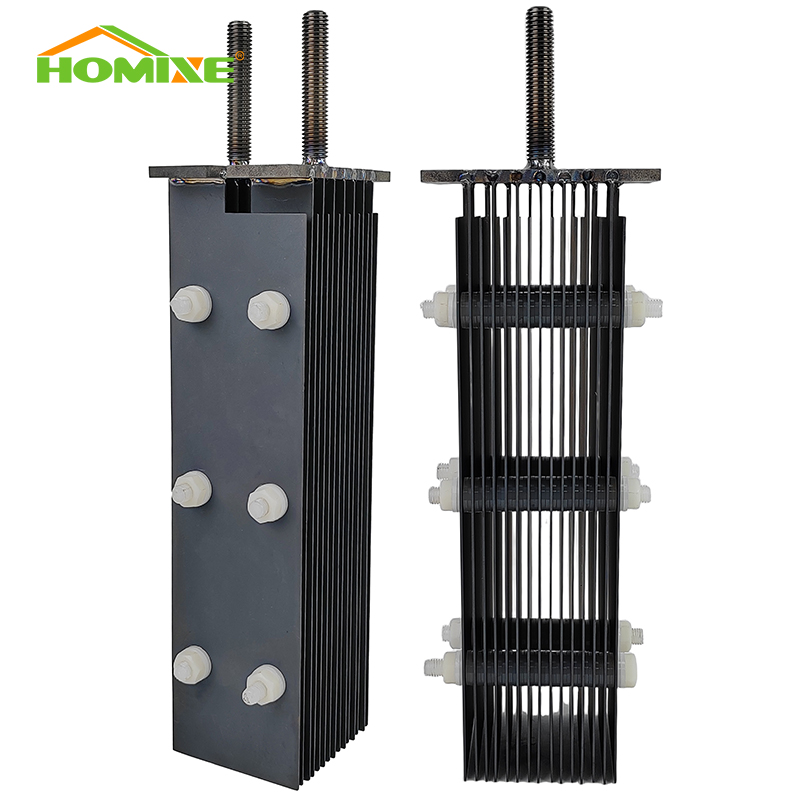
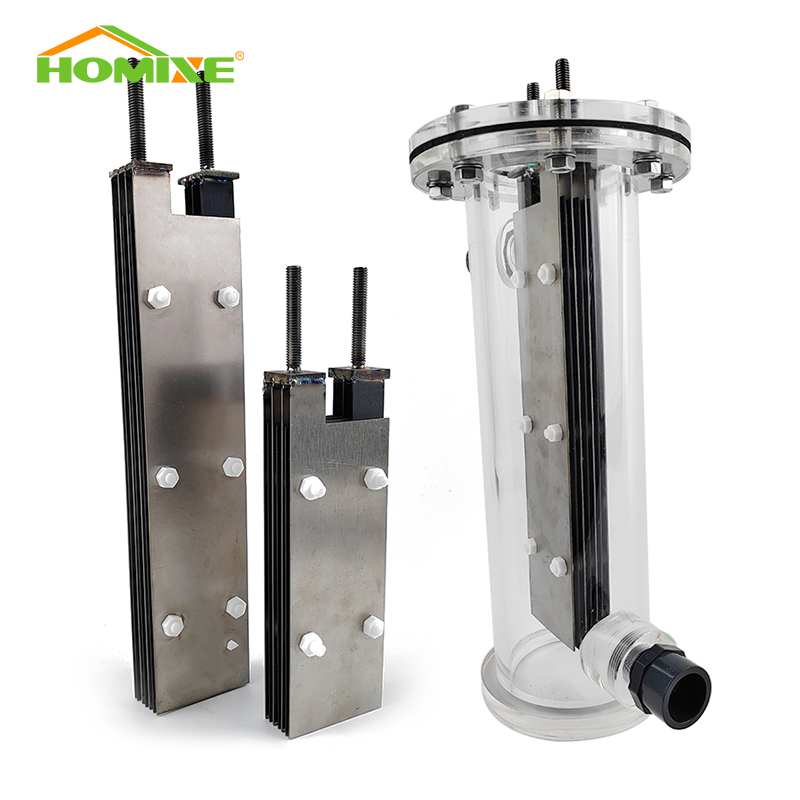
Our independently developed sodium hypochlorite generator revolutionizes tap water treatment and disinfection processes. Engineered with cutting-edge titanium electrode electrolytic cells and adjustable-concentration technology, this system guarantees optimal water quality and sterilization efficiency for municipal water treatment, healthcare facilities, and industrial applications. Compatible with both saltwater electrolysis and high-yield sodium hypochlorite production, our generator adapts seamlessly to diverse operational requirements.
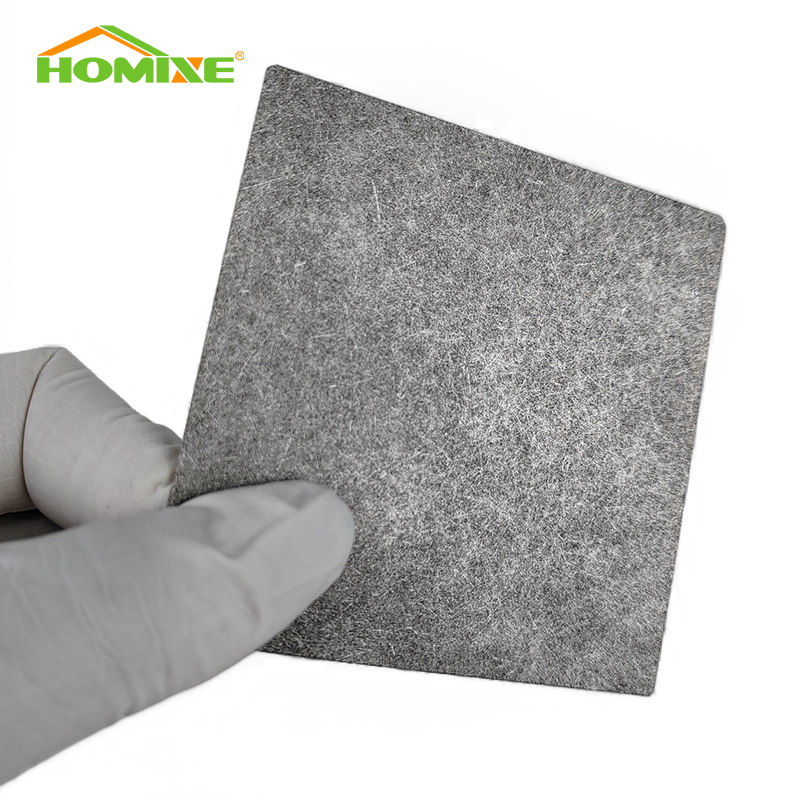
Titanium fiber felt is gaining increasing attention as an essential material in proton exchange membrane (PEM) and alkaline exchange membrane (AEM) electrolysis stacks, as well as in fuel cells. Its unique properties make it an ideal choice for use in catalyst layers and gas diffusion layers (GDL), particularly in applications requiring high electrochemical performance, durability, and efficiency. Below, we will explore the critical role of titanium fiber felt in these systems and its benefits for hydrogen production and fuel cell applications.
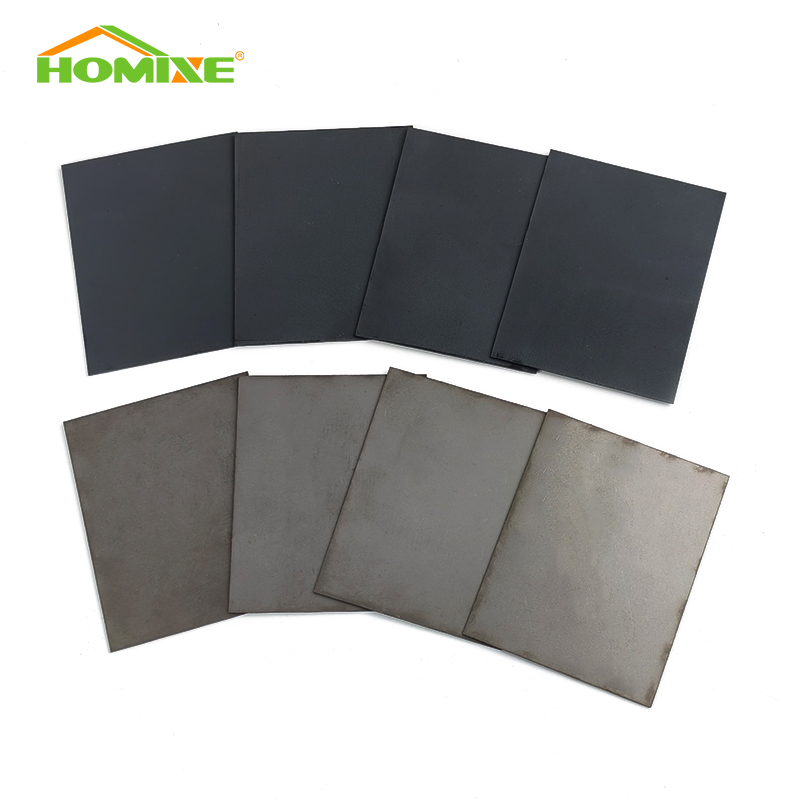
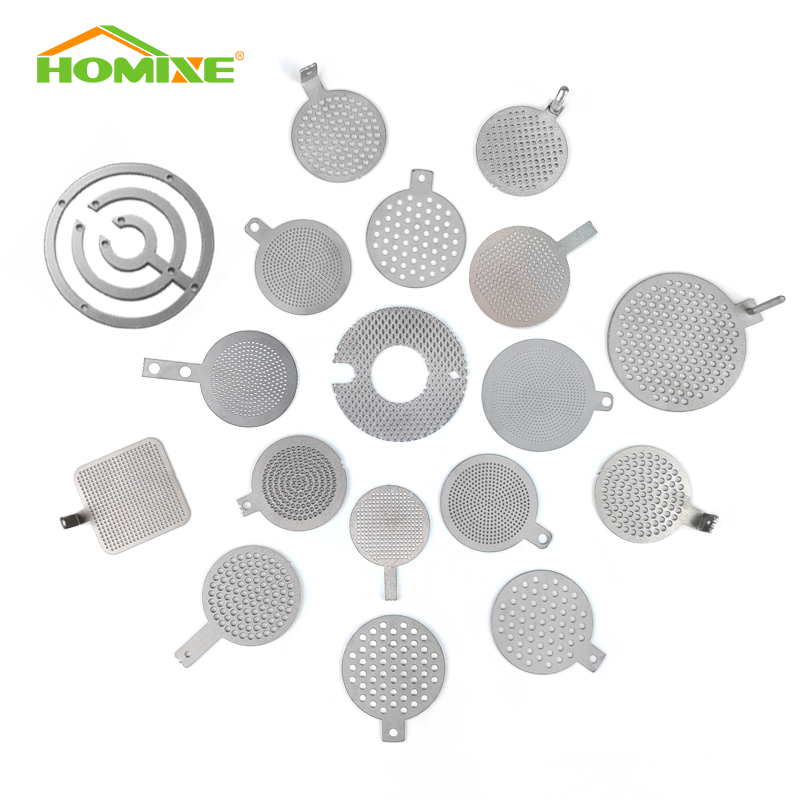
Titanium electrodes are widely used in electrolysis applications due to their excellent properties. These electrodes are made from titanium metal, which is classified as an inert material, meaning it does not chemically react with the electrolyzed substances and remains stable throughout the process.
Titanium is a preferred material for electrodes because of its high resistance to corrosion, superior electrical conductivity, and lightweight yet strong structure. Furthermore, titanium has a high melting point, making it suitable for high-temperature processes.
These electrodes find diverse applications in industries such as chemical production, electroplating, water treatment, and semiconductor manufacturing. They can be produced in various forms, including plates, rods, tubes, and wires, depending on specific operational requirements.
Titanium is a preferred material for electrodes because of its high resistance to corrosion, superior electrical conductivity, and lightweight yet strong structure. Furthermore, titanium has a high melting point, making it suitable for high-temperature processes.
These electrodes find diverse applications in industries such as chemical production, electroplating, water treatment, and semiconductor manufacturing. They can be produced in various forms, including plates, rods, tubes, and wires, depending on specific operational requirements.
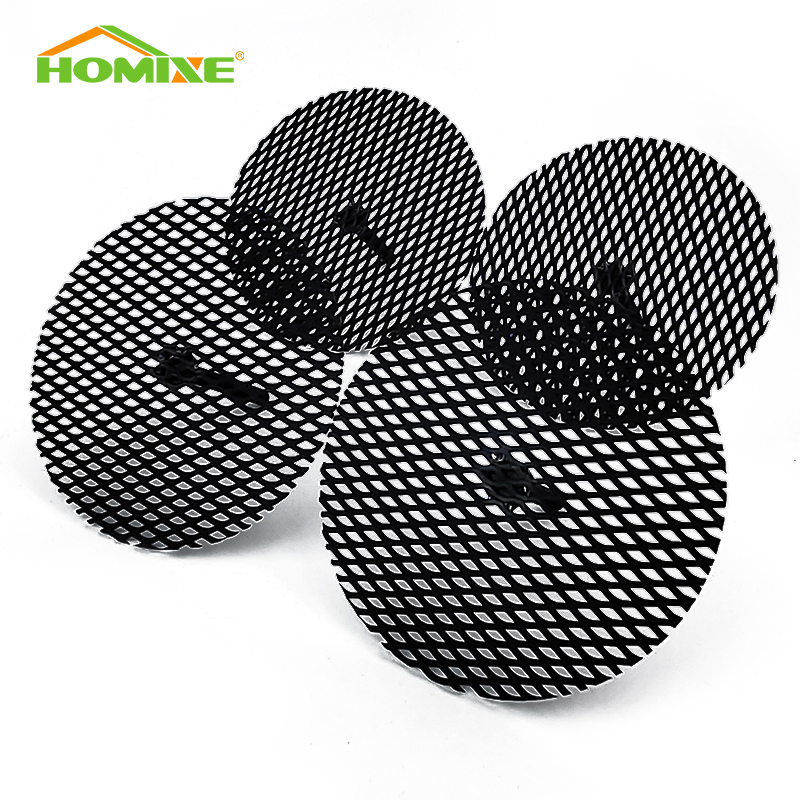
Corrosion is a relentless enemy of metal infrastructure, silently degrading pipelines, storage tanks, marine structures, and buried foundations. Traditional sacrificial anodes offer protection but come with limitations – frequent replacements, unpredictable performance in varied soils, and bulkiness demanding significant excavation. Impressed Current Cathodic Protection (ICCP) systems provide a robust, long-lasting alternative, and customized ICCP anodes represent the pinnacle of this technology, delivering unparalleled protection tailored precisely to the asset's needs.
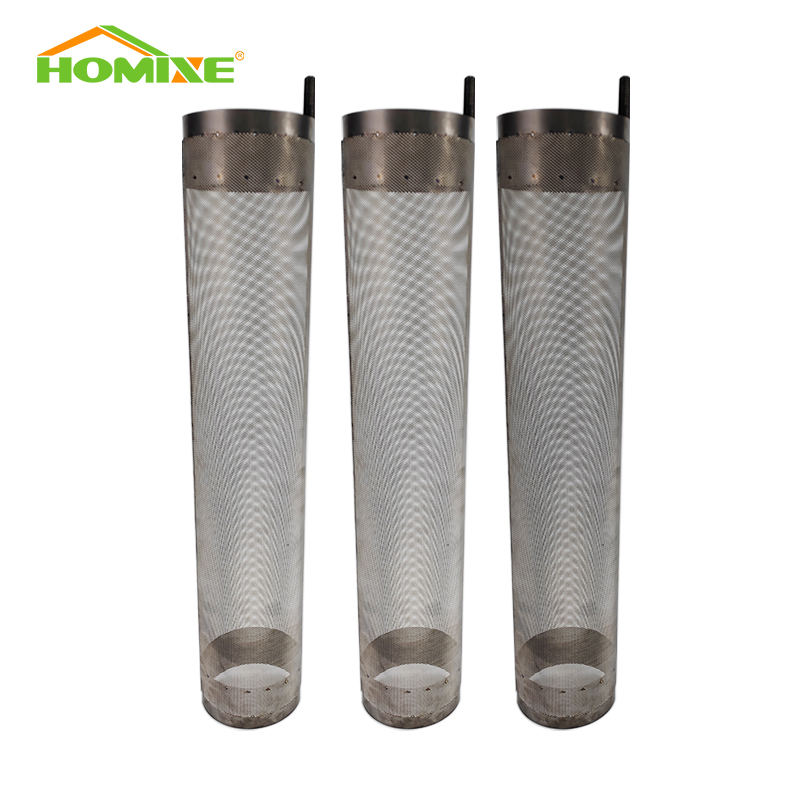
Introduces HOMIXE's independently developed Titanium Anode Baskets and Anode Hooks, designed to enhance performance in electrochemical processes. Our products feature excellent corrosion resistance and stability, making them suitable for various applications, including electroplating, water treatment, and electrolysis. HOMIXE also offers customization services to meet specific customer needs, ensuring that each anode basket and hook is optimized for performance. With efficient current distribution and long-lasting durability, these products provide exceptional value for enhancing production processes. For more information and customization options, please contact us.
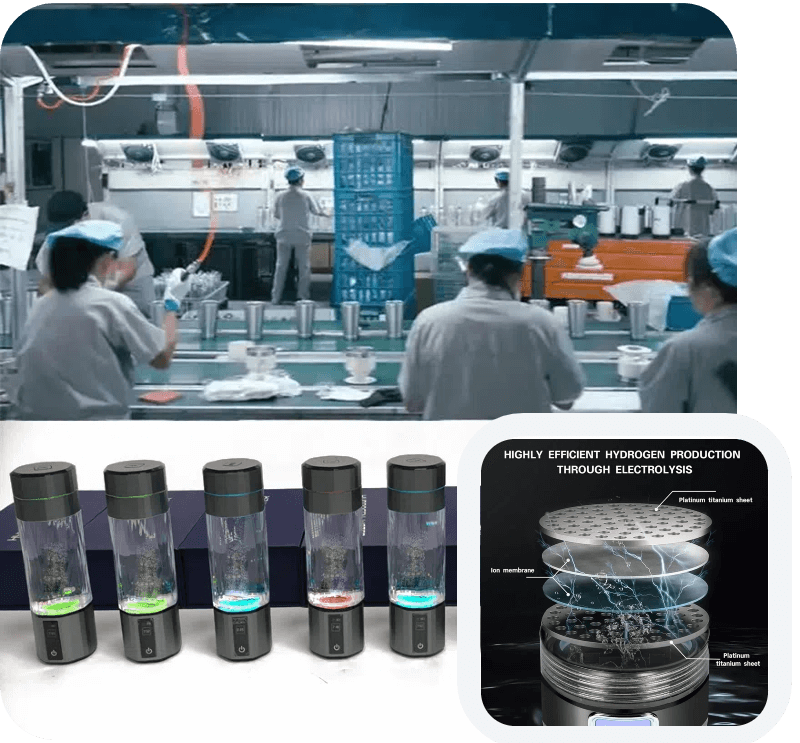
In the ever-evolving world of electroplating, advancements in technology and materials are paramount to achieving superior results. Enter HOMIXE, a leading manufacturer with over a decade of experience in the industry. Their latest creation, the Platinum Titanium Anode, is set to revolutionize the electroplating process with its cutting-edge design and unparalleled performance.
HOMIXE - As Professional titanium anode manufacturer Electrolytic water technology product solution provider ,We have own R& D team and 10years experience in Titanium anode .
Products
Contact Us
Contact: MS.Catarey
Phone: +86-13726337448
Email: catarey@homixe.com
WhatsApp: +86-13726337448
Address: 2/F Plant, Liansha Central Road North 26, Danzao Town, Nanhai Distribution, Foshan China.